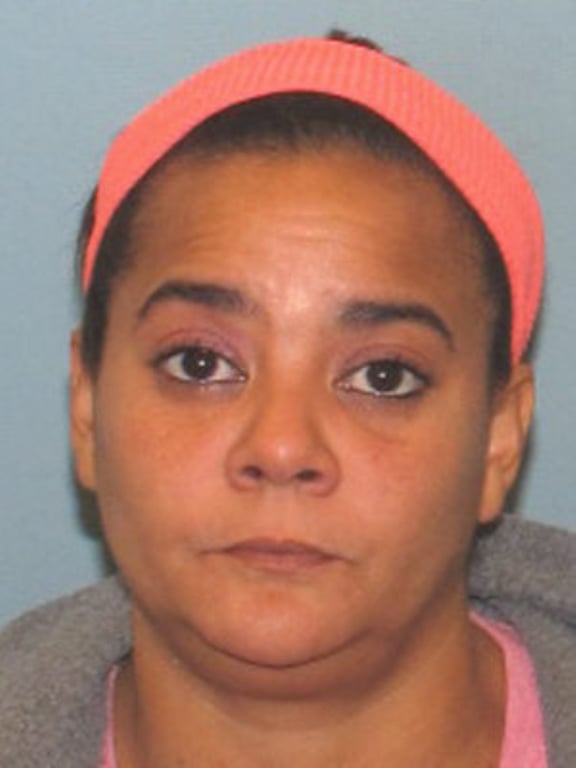
On September 8, 2004, Jamie Gibson, a 32-year-old White woman, was found murdered in Columbus, Ohio. Her body was discovered at 881 East Dublin-Granville Road in Franklin County, on the city's north side. Jamie had suffered multiple gunshot wounds, injuries that resulted in her death. The violent circumstances surrounding her killing prompted a homicide investigation by the Columbus Division of Police, beginning a search for the person responsible for taking her life.
The location where Jamie was discovered became a central detail in the investigation. The address is associated with a residential apartment complex along East Dublin-Granville Road, near the Interstate 71 corridor. However, publicly available investigative records do not specify the particular circumstances under which her body was found. Authorities have not publicly detailed who discovered Jamie, whether anyone witnessed the shooting, or what events immediately preceded her death. The precise time of the shooting and whether investigators recovered a weapon or other significant physical evidence have also not been disclosed in the available case information.
Investigators classified Jamie's death as a homicide, with multiple gunshot wounds identified as the cause. The number of shots fired, the type of firearm involved, and the locations of her injuries have not been publicly documented. These unanswered questions leave much of the sequence of events surrounding her final moments unknown. There is also no publicly confirmed explanation for why Jamie was targeted or whether she knew the individual responsible for the shooting.
As the investigation continued, authorities were unable to publicly establish who had committed the murder. Jamie's case was eventually included in the Ohio Attorney General's statewide unsolved homicide database, where it is identified as case number 1717. The Columbus Division of Police is listed as the investigating law enforcement agency. The inclusion of her case in the statewide database reflects its unresolved status and provides an opportunity for investigators to receive additional information that could help identify the person responsible.
Despite the passage of more than two decades, no publicly verified information identifies a suspect in Jamie's September 2004 killing. Available official records do not document any arrests, criminal charges, trials, or convictions directly connected to her murder. Authorities have not publicly identified a motive, announced a breakthrough involving forensic evidence, or disclosed whether investigators have developed a particular person of interest. Although the absence of public information does not necessarily mean that investigators have no evidence or investigative leads, it leaves many important aspects of the case unanswered.
The Ohio Attorney General's Office continues to classify Jamie Gibson's death as an unsolved homicide. Through its cold case initiative, the state works with local law enforcement agencies to maintain public awareness of unresolved killings and encourage individuals with relevant information to come forward. Even after many years, information from someone who witnessed suspicious activity, knew the circumstances surrounding the victim's final hours, or possesses previously undisclosed knowledge could potentially help investigators better understand what happened.
For Jamie's loved ones, the passage of time cannot erase the significance of what happened on September 8, 2004. Her life ended violently, and the available public record offers few answers about the circumstances that led to her death. Behind the brief official description of a shooting victim is a person whose life was cut short and whose murder remains unresolved. Jamie Gibson's case continues to stand as a reminder of the importance of preserving evidence, pursuing unanswered questions, and encouraging those with information to speak with investigators. Anyone with knowledge concerning her death is encouraged to contact the Columbus Division of Police or submit information through the Ohio Attorney General's unsolved homicide program, referencing case number 1717.