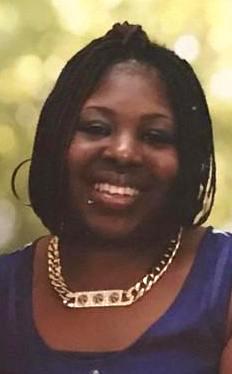
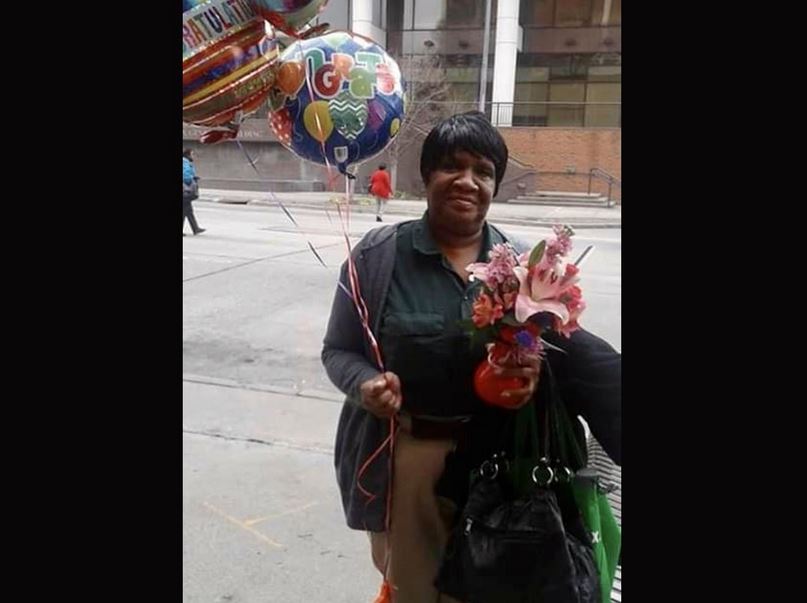
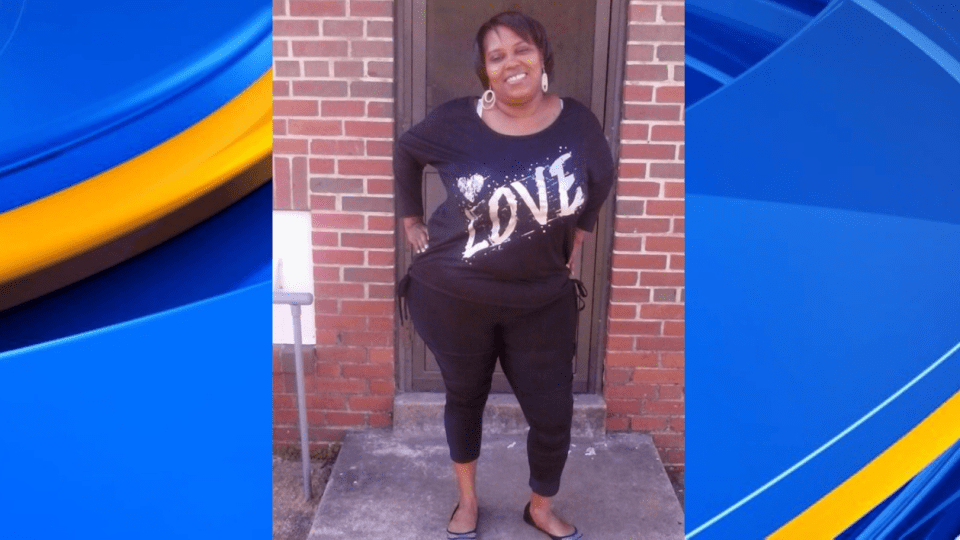
Annie Sharpe, an 83-year-old Black woman, was found dead on October 6, 2012, inside her home in the Wylam area of Birmingham, Alabama. What began as a routine concern for her wellbeing turned grim when authorities were asked to check on her at a residence in the 4500 block of 12th Avenue. Birmingham Fire and Rescue forced their way inside, and in the stillness of the house they discovered her on the floor, unresponsive.
She was pronounced dead at the scene, leaving neighbors and investigators with the same first question: what happened in the hours that led to her being alone on that floor?
Within days, the Jefferson County Coroner’s Office changed the trajectory of the case by classifying her death as a homicide, reporting that she had suffered blunt force trauma. The ruling cast a harsher light over the welfare check—this was not a quiet passing, but violence inflicted behind a closed door. Investigators were left to reconstruct a final chapter with no clear public account of who had been with her, how someone entered or approached her home, or what sparked the attack.
As the case moved from initial response to investigation, authorities acknowledged that there were no arrests and no charges filed. Months later, the killing was still being publicly framed as a homicide in need of fresh information, with Birmingham Police leadership urging anyone who knew even a small detail—something overheard, a sighting, a rumor from the street—to come forward before the trail cooled. The message was delivered with urgency: whoever did this had not been identified, and the city needed a break that could point detectives toward the person responsible.
Investigators and Crime Stoppers emphasized anonymity for tipsters, describing a process in which callers would receive a code number and could be eligible for a cash reward if their information led to an arrest. The appeal underscored the central reality of the case as it stood publicly: no suspect or suspects were named, and the path to accountability depended on someone deciding to speak up about what they knew—about that day, about her routine, about anyone who might have had reason to come to her home in Wylam.