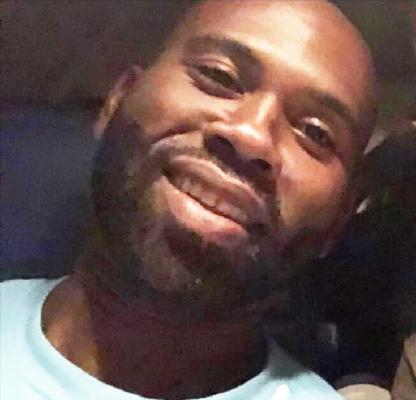
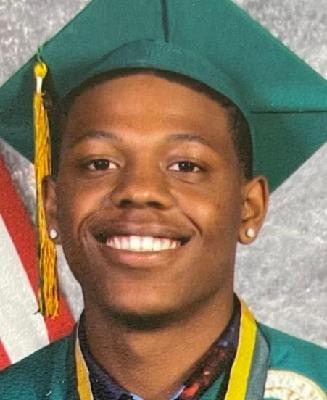
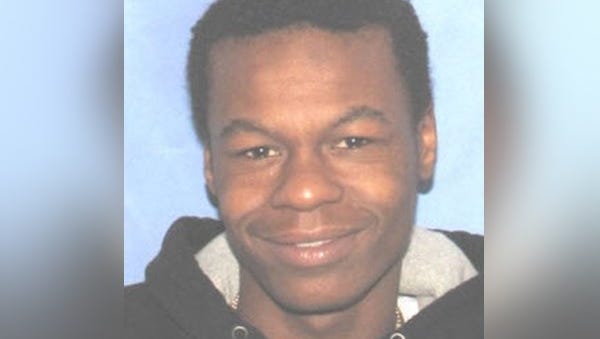
Phillip Short, a 19-year-old male, was killed on March 17, 2012, in Cincinnati, Ohio. The circumstances surrounding his death have yet to be fully resolved, and the case remains unsolved, despite ongoing investigative efforts by local law enforcement and state-level authorities. His death is one of numerous cold cases in Cincinnati, a city that has been grappling with a significant number of unsolved homicides over the past several decades.
The Ohio Attorney General's Office, through its Bureau of Criminal Investigation (BCI), has sought to bring more visibility to such unsolved homicides, including Phillip Short's case. The Cold Case Unit of the Ohio BCI works in collaboration with local police departments, providing support in reanalyzing evidence, leveraging new forensic technologies, and soliciting tips from the public to help move stalled investigations forward. This initiative aims to increase the likelihood that long-awaited justice may finally be achieved for victims like Short and their families. Despite these efforts, however, the investigation into Short's death has not yielded conclusive leads that could result in an arrest or conviction.
Cincinnati has faced a broader challenge with unsolved homicides. Since 1980, the city has accumulated over 100 unsolved homicide cases. The clearance rate for solving these crimes is significantly lower than that for missing persons cases, highlighting the difficulties that law enforcement faces in securing the necessary evidence and witness testimony. Nevertheless, law enforcement agencies, including the Cold Case Unit of the Cincinnati Police Department, continue to explore all possible avenues in their investigations. These efforts involve re-interviewing witnesses, applying modern forensic methods, and collaborating with community members, aiming to provide justice for victims like Phillip Short and closure for their grieving families.