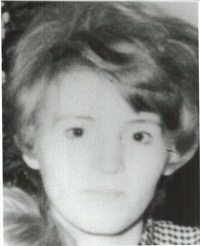
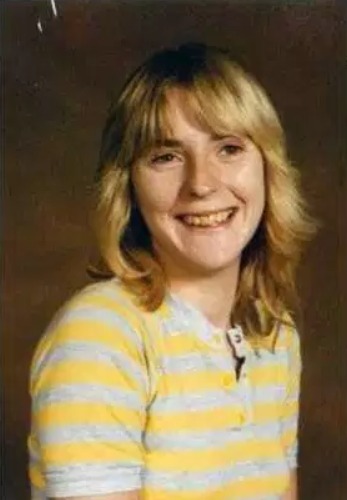
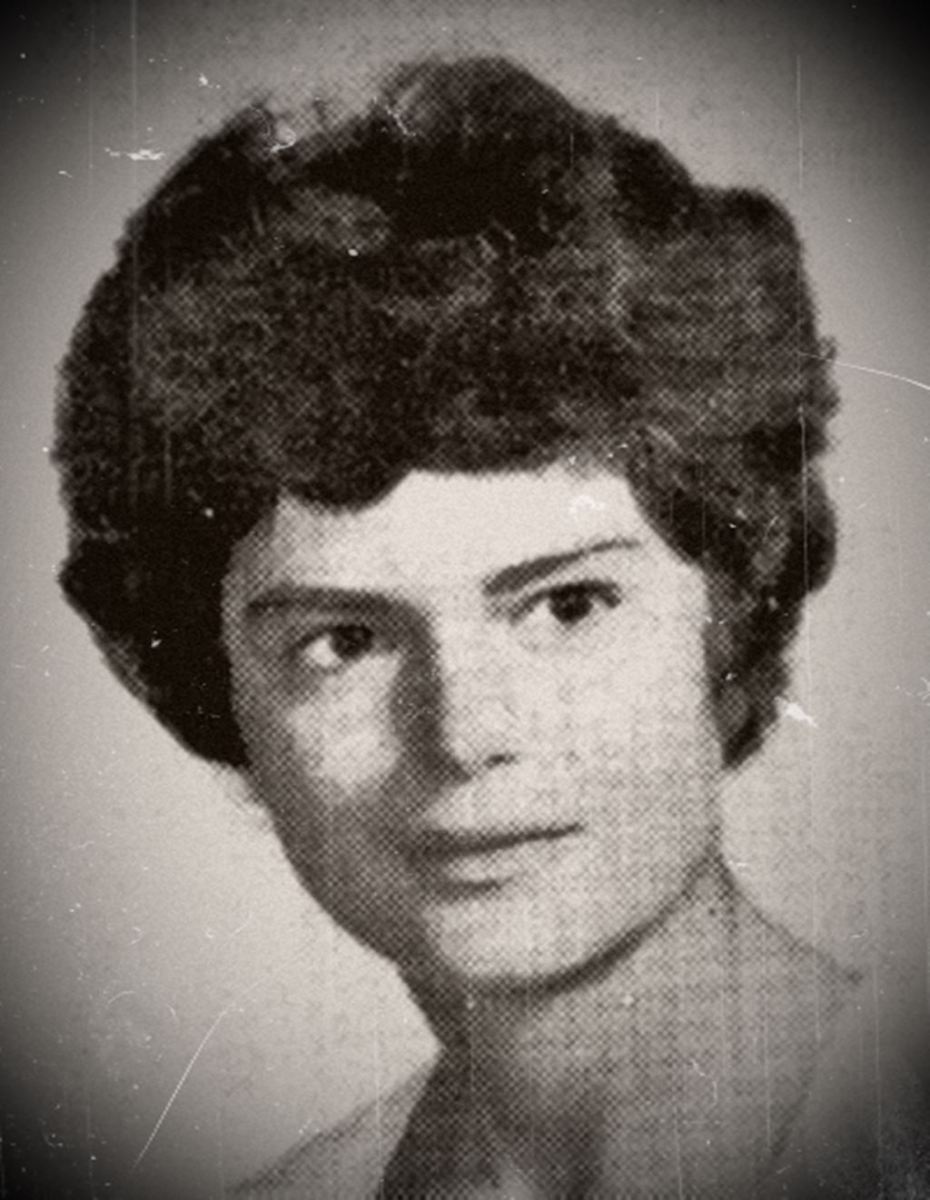
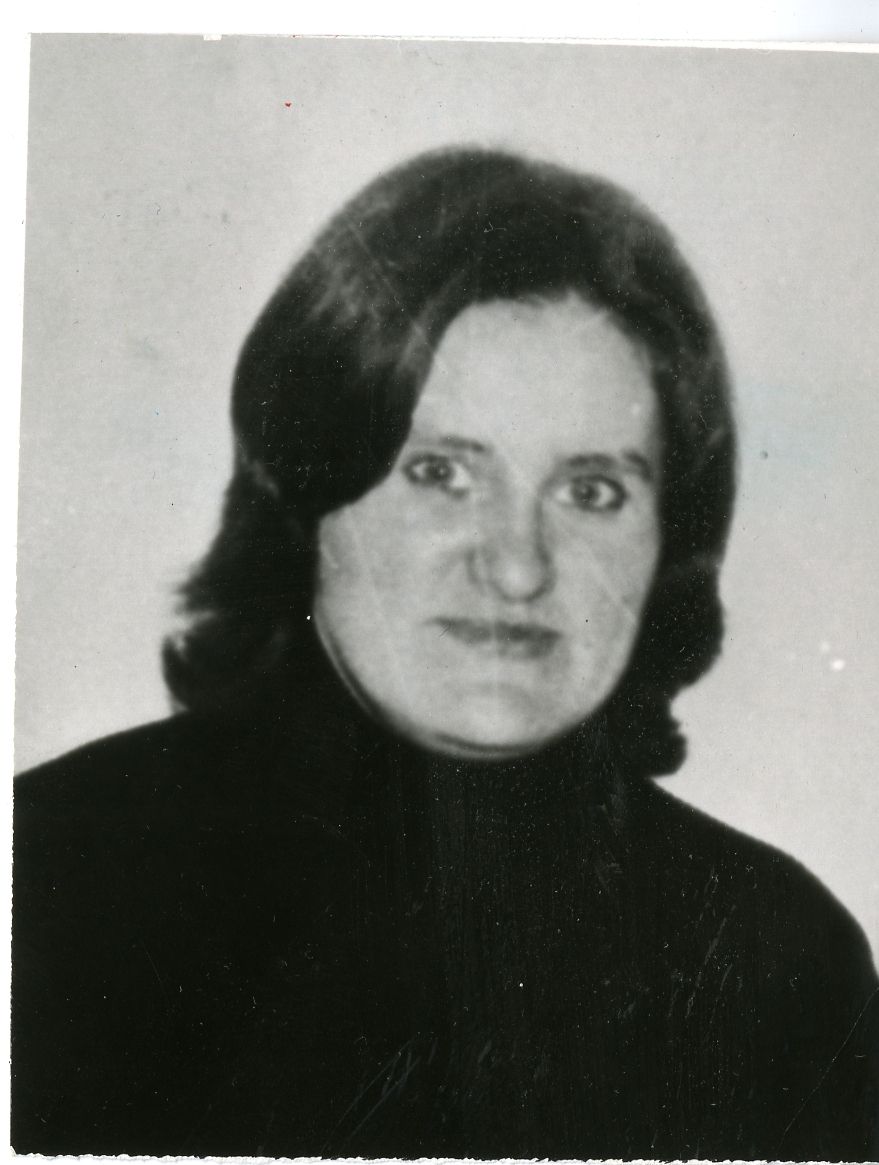
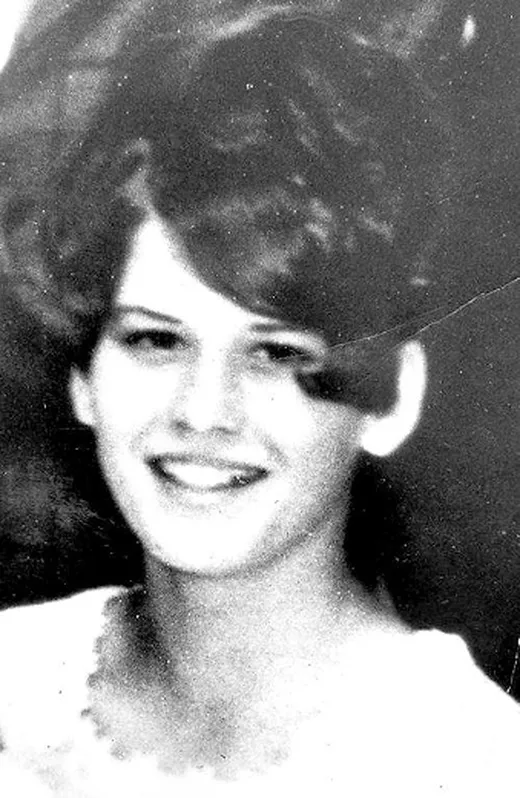
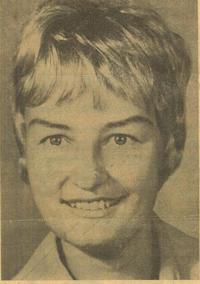
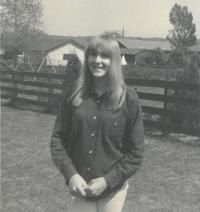
Jacqueline “Jackie” Dunleavy was a 16-year-old girl whose life was tragically cut short on January 9, 1968, in London, Ontario, Canada. A Grade 10 student at Westminster Secondary School, Jackie was balancing her education with a part-time job at the Stanley Variety Store, located near the intersection of Stanley Street and Wharncliffe Road. She lived in the Byron area of London and was the daughter of a local police officer. On the evening of Tuesday, January 9, Jackie completed her shift at approximately 6:30 p.m. and left the store on foot, apparently intending to make her way home. It was an ordinary winter evening that would turn into a tragedy, leaving her family and the London community searching for answers for nearly six decades.
Approximately 90 minutes after Jackie was last seen leaving work, three young people discovered her body on the grounds of Katherine Harley School, located along Oxford Street west of Sanatorium Road.
The property is now known as Matthews Hall. Emergency responders and officers from the London Police Force arrived at the scene, where Jackie was pronounced dead. Investigators determined that she had suffered a head injury and had been strangled, establishing that her death was a homicide. Historical reporting also described her body as partially clothed and indicated that investigators had evidence suggesting a possible sexual assault. The circumstances of her death raised disturbing questions about how she had traveled from the variety store to the school property and who had encountered her during the relatively brief period between her disappearance and the discovery of her body.
As investigators reconstructed Jackie's final movements, witnesses reported seeing someone matching her description waiting near a bus stop on Beaconsfield Avenue. Additional witness information suggested that she may have entered a white vehicle. These observations became important leads as detectives attempted to establish whether Jackie had accepted a ride, been approached by someone she knew, or encountered an unfamiliar individual. Despite extensive interviews, the examination of physical evidence, and the pursuit of numerous leads, investigators were unable to identify the person responsible. The investigation eventually became one of London's most enduring unsolved homicides, with Jackie's family left without a definitive explanation of what had happened to her.
Throughout the following decades, investigators continued examining the circumstances surrounding Jackie's murder. Between 1997 and 2001, her case was included in Project Angel, a joint cold-case initiative involving the London Police Service and the Ontario Provincial Police. The project revisited historical homicides using investigative methods and forensic capabilities that had developed since the original investigations. Although these efforts did not produce an arrest, the preservation of biological evidence collected in 1968 would ultimately prove crucial. Investigators had retained material that could be examined through scientific methods unavailable when Jackie was killed, allowing future generations of detectives to revisit evidence that had remained unresolved for decades.
A significant breakthrough came when investigators began applying modern DNA analysis and forensic investigative genetic genealogy to the preserved evidence. In 2025, the specialized forensic laboratory Othram conducted advanced testing and developed a DNA profile suitable for genetic genealogical research. Working alongside the Toronto Police Service, investigators identified distant biological relatives connected to the unknown individual's genetic profile. Researchers constructed family trees, examined genealogical relationships, and narrowed the possibilities to identify a potential suspect. Additional interviews, newly collected evidence, and DNA comparisons conducted through the Centre of Forensic Sciences eventually established a connection to a man named Michael Joseph Moore.
On November 23, 2026, the London Police Service publicly announced that investigators had solved Jackie's murder and identified Michael Joseph Moore as the individual responsible. Moore had been 25 years old when Jackie was killed. Born in Ireland in 1942, he immigrated to Canada in January 1967 and had been living in London for less than a year at the time of the homicide. In May 1967, he moved into an apartment on Springbank Drive. Investigators described him as approximately six feet tall, with dark hair, and noted that he was generally clean-shaven but occasionally grew a beard. He also owned a white Ford Galaxie 500, a detail of particular interest because historical witnesses had described Jackie possibly entering a white vehicle shortly before her death.
Moore later became a member of the London Fire Department, where he reportedly worked for approximately 28 years and eventually attained the rank of captain. He was not employed as a firefighter when Jackie was murdered. According to investigators, Moore had not previously been formally identified as a suspect in the homicide, although his name had reportedly surfaced during earlier investigative work associated with Project Angel. For decades, he lived without being arrested or prosecuted in connection with Jackie's death. Investigators ultimately established his connection to the murder through the combination of historical evidence, modern DNA technology, forensic genealogy, and additional investigative work.
However, the identification of Moore came too late for criminal proceedings. Moore died on March 3, 2018, more than eight years before police publicly announced their findings. Consequently, he was never arrested, formally charged, tried, or convicted in connection with Jackie's murder. Detective Mike Budzyn of the London Police Service Major Crime Section explained that investigators had obtained evidence sufficient to meet the threshold for criminal charges and that Moore would have been arrested and charged had he still been alive. Police emphasized that their conclusion was supported by forensic evidence and extensive investigative work rather than speculation. Nevertheless, because Moore was deceased, the case could not proceed through the courts, and no judicial determination of guilt could occur.
The announcement represented an extraordinary development in a homicide investigation that had remained unresolved for nearly 58 years. Investigators credited the preservation of evidence by the original detectives, the persistence of successive investigative teams, and cooperation among the London Police Service, Ontario Provincial Police, Toronto Police Service, Othram, and the Centre of Forensic Sciences. Police also acknowledged the emotional significance of the findings for Jackie's surviving relatives and the community. Although the identification of Moore provided long-awaited answers, it could not undo the loss of a young life or replace the opportunity for accountability through a criminal trial. Authorities encouraged anyone with historical information about Moore or Jackie's final hours to contact the London Police Service, recognizing that additional details could still help clarify the circumstances of the murder.
Jacqueline “Jackie” Dunleavy's death remains a heartbreaking reminder of the lasting consequences of violent crime and the importance of preserving evidence in unresolved investigations. What began as an ordinary evening following a part-time work shift became a tragedy that affected her loved ones and challenged generations of investigators. For decades, her murder remained an unanswered question, despite extensive police work and repeated efforts to uncover the truth. The identification of Michael Joseph Moore in November 2026 fundamentally changed the status of the investigation, allowing police to identify the person they concluded was responsible, even though his death prevented prosecution. Jackie's case now stands as an example of how advances in forensic science can provide answers in historical homicides, while also illustrating the painful reality that identifying a perpetrator does not always result in a courtroom conviction. Nearly six decades after her death, the investigation finally provided her family and the London community with a significant measure of resolution, ensuring that Jackie's story and the efforts to establish what happened to her would not be forgotten.