Crime Solvers Central
302 Cases Solved. Advancing justice for missing persons, unsolved homicides, unidentified and unclaimed remains.

Case Description

Any updates on this case? Let us know!
Summary based on 5 sources
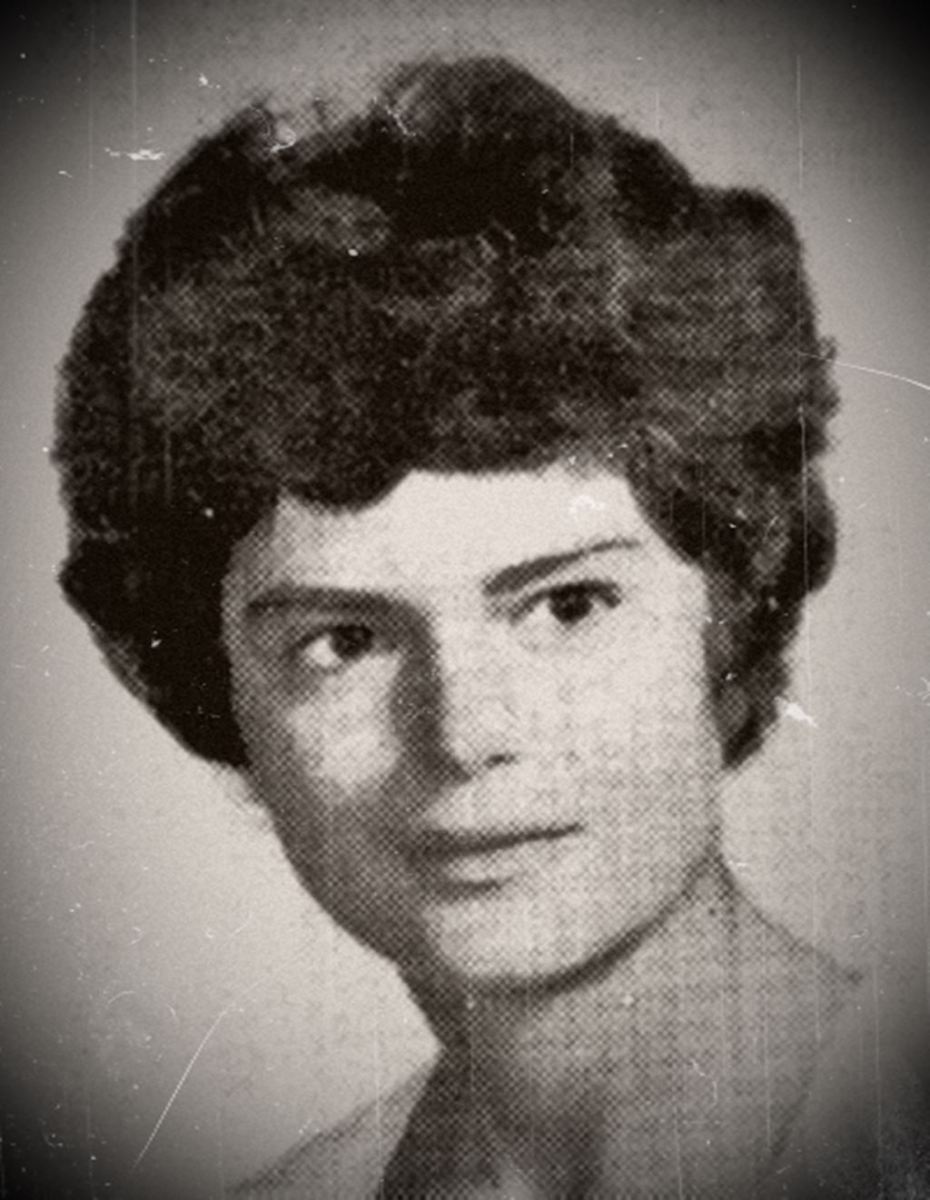
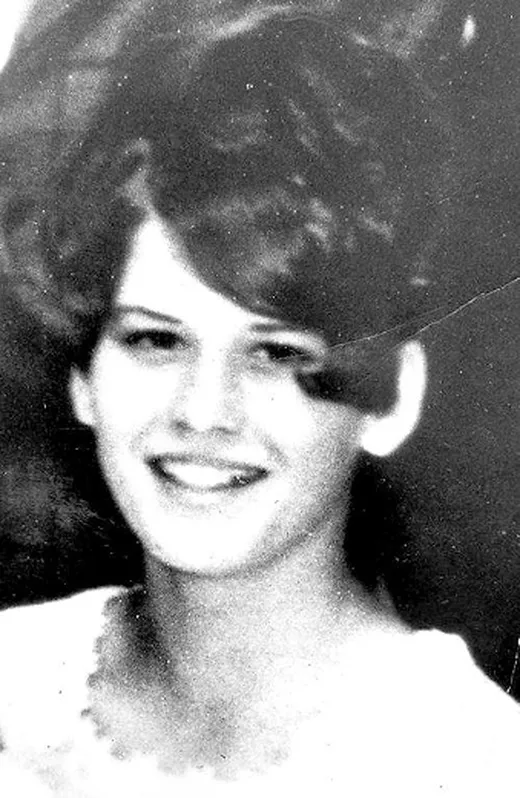
Jacqueline Dunleavy was a bright and ambitious 16-year-old girl with dreams of attending university. A Grade 10 student at Westminster Secondary School in London, Ontario, she was known to be a responsible teenager who worked a part-time job two or three evenings a week at the Stanley Variety store, located at the corner of Stanley Street and Wharncliffe Road. The shop was an eclectic neighborhood hub where one could buy everything from candy to housewares. Jacqueline had been working there for just over a month in the winter of 1968.

On the evening of Tuesday, January 9, 1968, Jacqueline finished her shift at the variety store. She locked up and was last seen walking out the front door at approximately 6:35 p.m. She then walked two blocks to the Beaconsfield bus stop to head home. Witnesses saw her waiting for the bus, and one person later reported seeing her get into a white Chrysler. When she hadn't arrived home by 7:00 p.m., her parents grew worried and began calling her friends. Her father, a police officer, started driving around town searching for her, but found no sign of his daughter.

The search ended in tragedy just over an hour later. At approximately 8:10 p.m., about five miles from where she was last seen, three youths discovered Jacqueline’s body in the parking lot of the Katherine Harley School, now known as Matthews Hall, on Oxford Street West. Officers from the London Police Force arrived at the scene and confirmed she was deceased. An investigation determined that although she had suffered a significant head injury, the cause of death was strangulation. The scarf she had been wearing was still wrapped around her neck.

The crime scene was disturbing and left investigators with several strange clues. Jacqueline’s body had been posed on her back with her arms straight at her sides, and her eyes were open. Her winter coat was found nearby, stained with vomit and semen, though an autopsy concluded she had not been sexually assaulted. Most bizarrely, a plastic-wrapped package of pink facial tissues had been forced down her throat after her death. Deep tracks in the snow indicated her killer had dragged her body about fifty feet from a vehicle, dumped her, and then returned to the car to retrieve her backpack and boots, which were discarded near her body.

The investigation, led by the London Police Service, focused on the evidence left behind. The car tracks were particularly distinct, suggesting the vehicle had four different makes of tires with varying tread depths and a severe alignment problem. Confident that such a unique vehicle would be easy to find, police examined countless cars in the area but were unsuccessful. Detectives also looked into the regulars at the Stanley Variety store, which was known to attract a rough crowd, but this line of inquiry did not lead to an arrest. Forensic analysis also identified Type O blood evidence at the scene.

Over the decades, Jacqueline’s murder has become one of London’s most haunting cold cases, part of a string of unsolved homicides and disappearances of young people in Southwestern Ontario during that era. Criminologists and authors have pointed to London's location along the newly constructed Highway 401 as a factor that may have attracted transient predators to the area. Despite the passage of time and renewed examinations of the evidence with modern forensic techniques, the identity of Jacqueline's killer remains unknown.

As of January 2025, the case officially remains open and is listed on the London Police Service's active unsolved homicides page. No suspects have ever been charged in the murder that cut short a promising young life and left a family and a community with unanswered questions that have now spanned more than half a century. The London Police Service continues to ask anyone with information regarding the murder of Jacqueline Dunleavy to contact them.