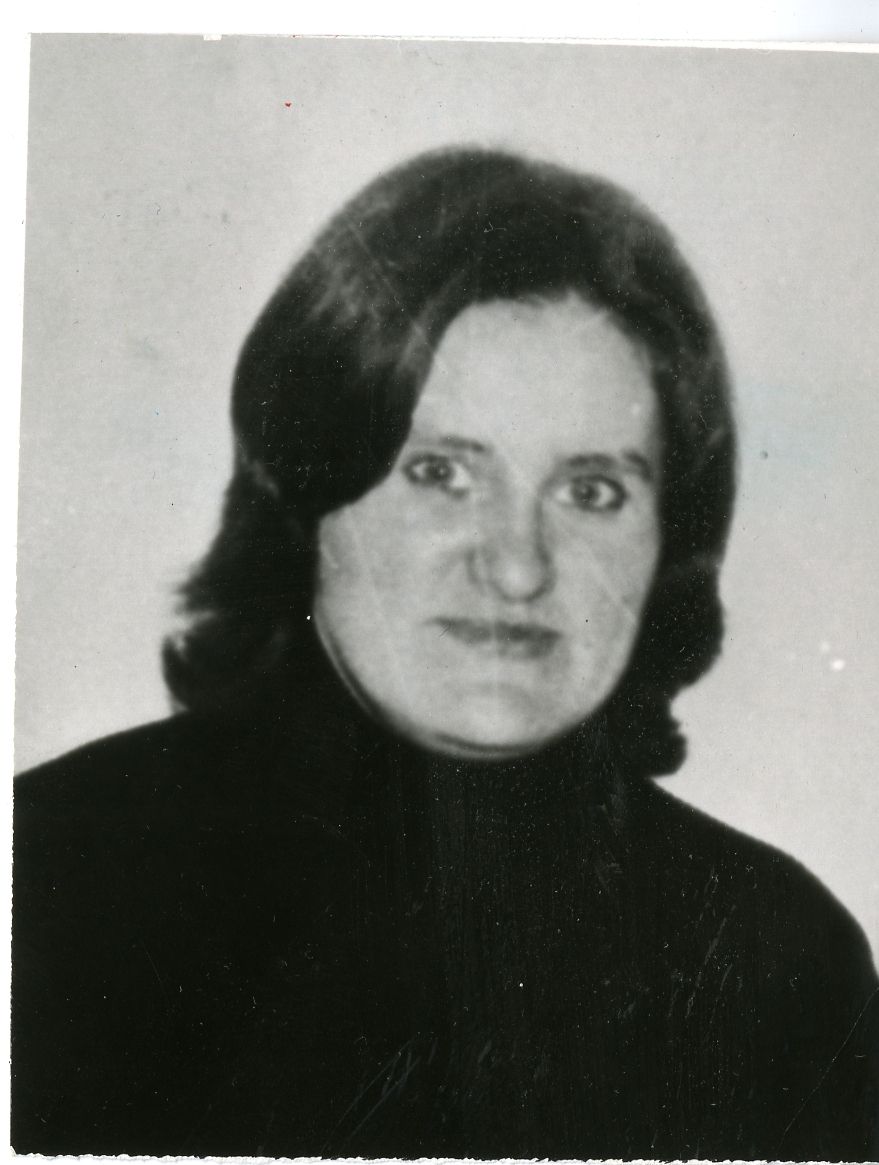
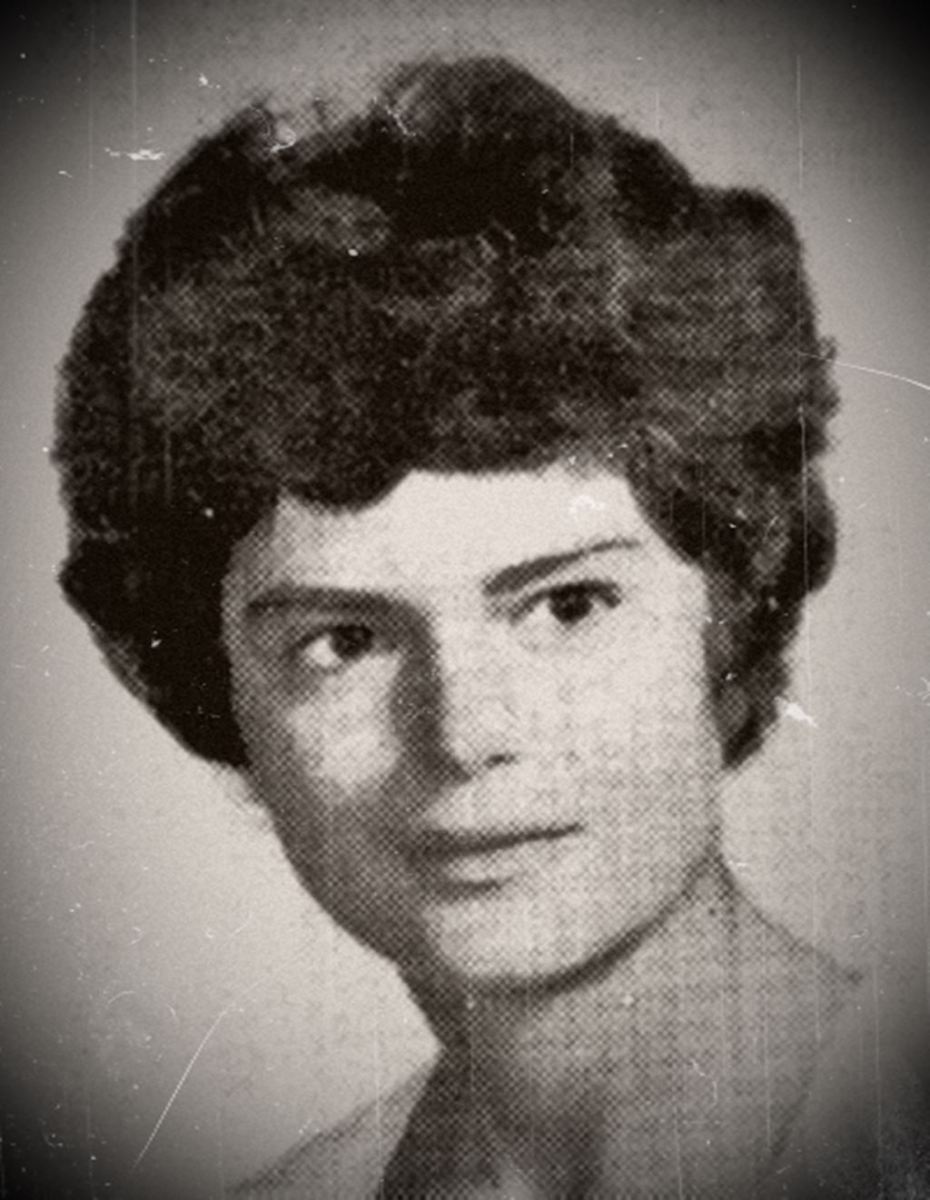
Susan Cadieux, a 5-year-old girl from London, Ontario, disappeared on the bitterly cold evening of January 6, 1956. Although the information provided lists October 1, 2026, police records identify her death as occurring in January 1956. At about 7:15 p.m., Susan was playing in the schoolyard of St. Mary’s School at 345 Lyle Street with her two older brothers and another neighborhood child. Her family lived nearby at 665 York Street, directly across from the school.
At approximately 7:45 p.m., a stranger approached the children and began speaking with Susan. She told the others that the man was going to give her something. The stranger also claimed that he was supposed to meet the priest at St. Mary’s and said he lived on York Street, pointing in the direction of King Street. Moments later, one of the children fell on the ice. While the group’s attention was diverted, the stranger walked away with Susan.
By about 8:00 p.m., Susan’s brothers realized that she and the stranger were gone and hurried home to tell their parents. Her family immediately began looking for her, and London police became involved by approximately 9:30 p.m. News of the disappearance spread through the city during the night, prompting an extraordinary community response. By roughly 1:30 a.m., more than 300 people were searching, and radio broadcasts appealed to London residents for help finding the missing child. The freezing weather made the search increasingly urgent.
The search ended shortly after 10:00 a.m. on January 7. Susan was found near the rear of the Roy James Construction property at 609 William Street, alongside a Canadian Pacific Railway spur line, approximately nine blocks northwest of the schoolyard from which she had disappeared. Contemporary reporting indicated that she had been dead for only a relatively short period when she was discovered. Later accounts of the post-mortem examination reported that she had been sexually assaulted and had died after being left outside in the extreme cold.
The stranger seen leaving with Susan became the central suspect. Witnesses described him as approximately 30 to 40 years old, tall, thin and unshaven. He was reportedly wearing a light-brown overcoat that was left open, black galoshes that were unbuckled and flapping, and a dark Russian-style or military Melton hat with ear flaps. Susan’s brothers helped investigators develop a hand-drawn composite of the man, which police circulated in an attempt to identify him.
Despite an intensive investigation, the man in the sketch was never conclusively identified. Susan’s killing later became one of the longstanding unsolved homicide cases reviewed by Project Angel, a joint London police and Ontario Provincial Police initiative that reexamined numerous historic murders from southwestern Ontario. Forensic evidence preserved from Susan’s case was eventually submitted to the Centre of Forensic Sciences, where investigators were able to develop a DNA profile. That profile was entered into Canada’s National DNA Data Bank and compared with databases in the United States, but no identification resulted.
Years after the killing, investigators publicly acknowledged that former Royal Canadian Air Force sergeant Alexander Kalichuk had been considered a suspect. Kalichuk had a documented history of sexual offenses and had also attracted investigative attention in connection with other crimes involving young girls. He died in 1975. Police never established that he was Susan’s killer, and he was never charged in her death. The DNA evidence developed in the case has likewise never been publicly reported as identifying him or any other person.
No arrest, criminal charge, trial or conviction has ever resulted from Susan Cadieux’s abduction and death. The London Police Service continues to list the case among its unsolved murders and continues to seek information from anyone who may know what happened. More than seven decades after Susan was led away from the schoolyard, the identity of the person responsible remains officially unresolved.