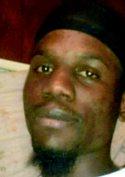
Roger Dale Sisk, a 65-year-old white male, died on June 23, 2014, at his residence on Baker Drive in Shelby, North Carolina. Sisk was a retired truck driver and a member of Trinity Baptist Church. He was known for his love of television, puzzles, and cooking. He was preceded in death by his wife, Nancy Louise Kiser Steen Sisk, and survived by his son, Faron Dale Sisk, and daughter, Claudia Sisk.
The circumstances surrounding Sisk's death were tragic and violent.
Authorities identified Schuyler Mark Camp, a 59-year-old white male, as the suspect in Sisk's murder. Camp, who had a long history of criminal activity, including a previous conviction for second-degree murder, was involved in a shootout with Cleveland County Sheriff's deputies on the night of the incident. Camp was injured during the exchange of gunfire and was subsequently taken into custody.
The investigation revealed that Camp had been living with Sisk for a few weeks prior to the murder. Sisk's family members, including his sister Judy Failen, expressed their shock and disbelief at the senseless act of violence. They speculated that the motive behind the killing might have been related to drugs, as Sisk's nephew, Richard Rusk, suggested that Camp might have tried to rob Sisk for his medication.
Camp's criminal history dated back to 1979, with multiple felony convictions, including assault with a deadly weapon and larceny. He had been in and out of prison for various offenses and had a documented history of mental health issues, including paranoia and hallucinations. Despite his troubled past, Camp had been released from prison in 2010 after serving time for the murder of his sister, Starr Peterson, in 1990.
On the night of Sisk's murder, deputies responded to a call at Sisk's residence and were met with gunfire from Camp. After a standoff that lasted over an hour, Camp surrendered to the authorities. Sisk's body was discovered inside the apartment, and Camp was charged with first-degree murder and three counts of assault with a deadly weapon with intent to kill a law enforcement officer.
The case highlighted the failures of the criminal justice system in dealing with individuals with severe mental health issues and a history of violent behavior. Sisk's family and the community were left to grapple with the loss of a beloved family member and the senselessness of the crime.