Crime Solvers Central
302 Cases Solved. Advancing justice for missing persons, unsolved homicides, unidentified and unclaimed remains.

Case Description

Any updates on this case? Let us know!
Summary based on 5 sources
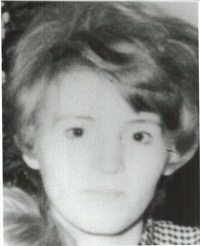
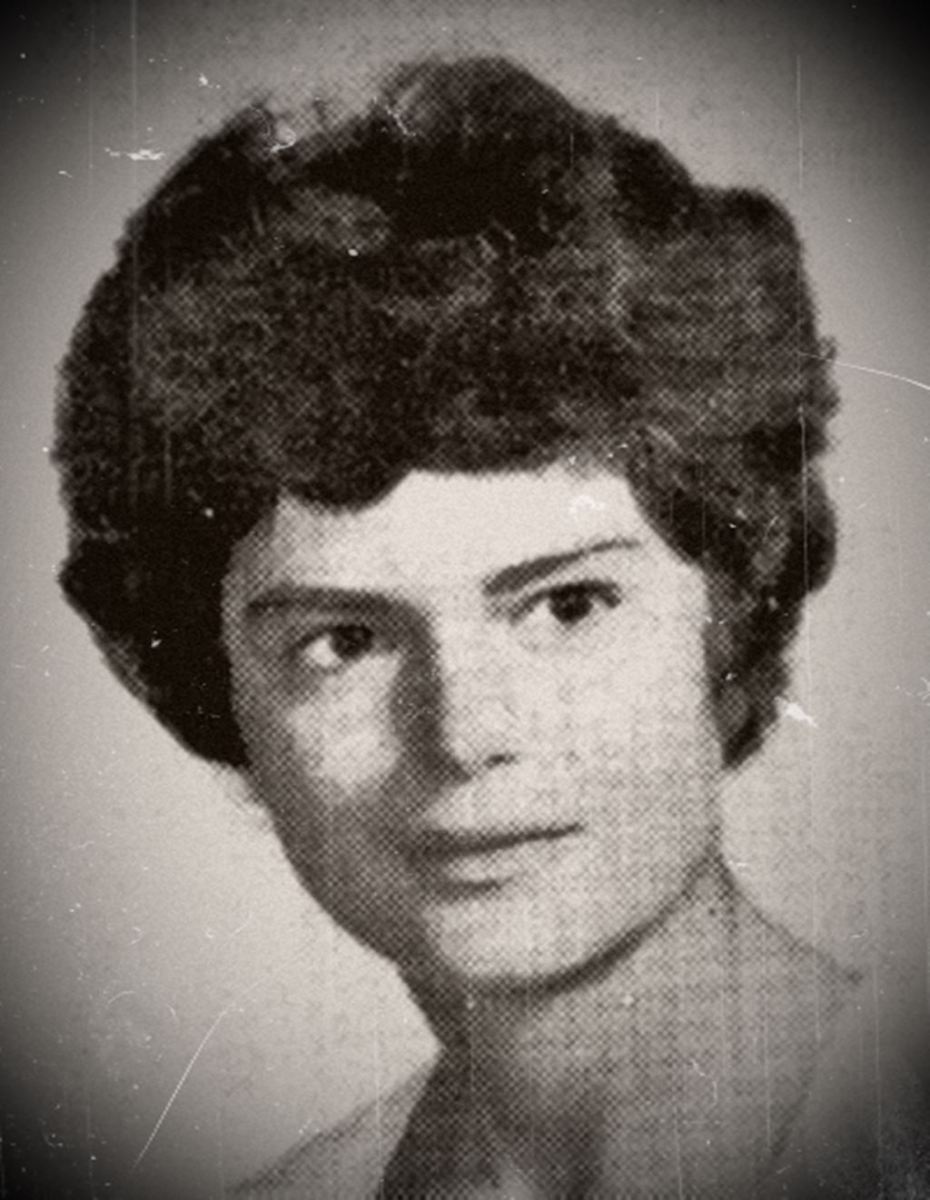
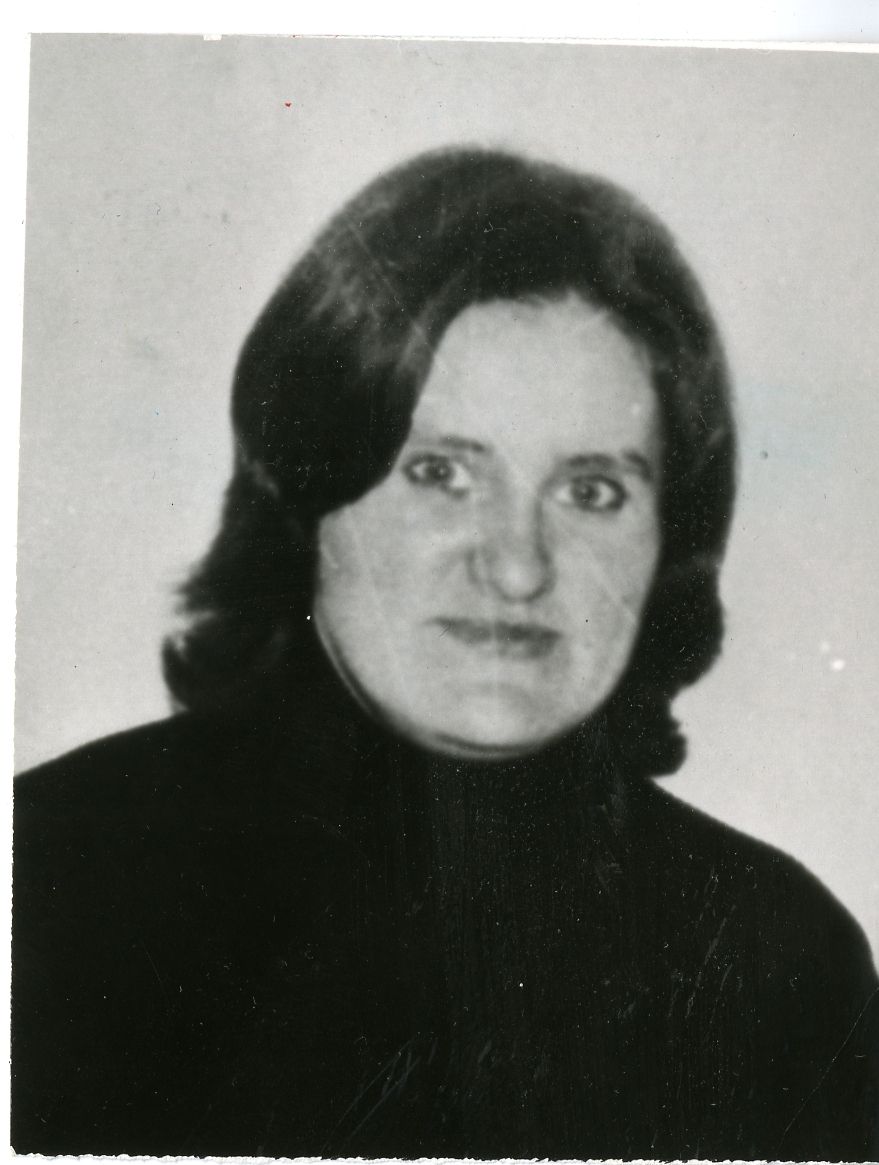
Helga Beer was a gregarious and social woman, a 31-year-old hairdresser who had moved to London, Ontario, from her native Germany about seven years before her death. With her red hair styled in a pixie cut, she worked at the Elizabeth Arden Beauty Salon inside the downtown Simpson's Department Store. Following a recent divorce, she had moved in with her brother. Helga enjoyed spending her evenings out with friends at local restaurants and bars, and was known for her outgoing personality.

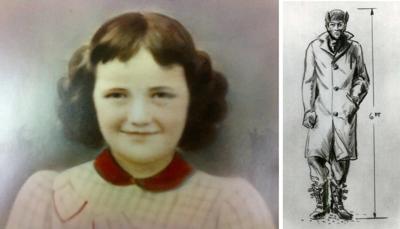
The evening of Monday, August 5, 1968, was foggy and warm in London. Helga spent the night socializing with a group of friends, moving from one downtown spot to another. Sometime after midnight, in the early hours of August 6, the group decided to have a final drink at a friend's apartment on King Street. As her friends went inside, Helga remained on the sidewalk, having apparently spotted a man she knew. She came into the apartment a few moments later, accompanied by the man. Her friends didn't catch his name, but they noted Helga seemed comfortable with him. They later described him to police as a white male, between 24 and 34 years old, with a husky build, standing between five-foot-nine and five-foot-eleven. He had a full head of dark hair, a full face, and a noticeably broad nose. After about half an hour, Helga and the man left the apartment together. It was the last time her friends saw her alive.

At approximately 6:25 a.m. that Tuesday, an attendant at a service station parking lot at 50 Carling Street made a grisly discovery. He noticed a 1963 Volkswagen Beetle backed into a space and, looking inside, saw what he first thought was a mannequin. It was Helga Beer’s body, crammed into the back seat of her own car. She had been severely beaten in the face and strangled to death. She was found naked from the waist down, her other clothing strewn about the vehicle. The location where she was found was only a short distance from the King Street apartment where she was last seen. Investigators believed she had been killed elsewhere before her body was placed in her car and abandoned.

The London Police Force launched a homicide investigation, but the case was hampered by the forensic limitations of the era. Although sexual intercourse had occurred shortly before her death, it was unclear if it was consensual, and crucial DNA evidence that could have been collected from the scene was not. The investigation was criticized for a lack of due diligence, and persons of interest were reportedly allowed to leave the city without being cleared. Some observers at the time noted that Helga's murder, that of a "swinging young divorcée," did not generate the same level of public sympathy or sustained attention as other homicides in London that year, which was a period of heightened fear due to a number of killings.

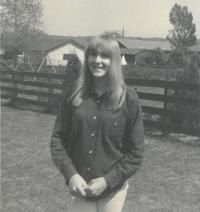
Over the decades, Helga’s case grew cold, but it was never closed. She is buried in Mount Pleasant Cemetery in London, under a simple stone that reads "In loving memory. Helga Beer-Erdt, 1936 – 1968." Her murder is often mentioned in retrospective accounts of London's violent past, sometimes alongside the killings of other young women from that era, like Jacqueline Dunleavy and Patricia Bovin, raising questions about a potential serial predator.

As of February 2025, the murder of Helga Beer remains an active unsolved case on the roster of the London Police Service. While the original investigators have long since retired, the file remains open with the hope that modern technology, such as advanced DNA analysis, or a new witness coming forward with long-held information, might finally bring a resolution. Police continue to ask that anyone with information about the man last seen with Helga, or any other detail related to her death, contact them.