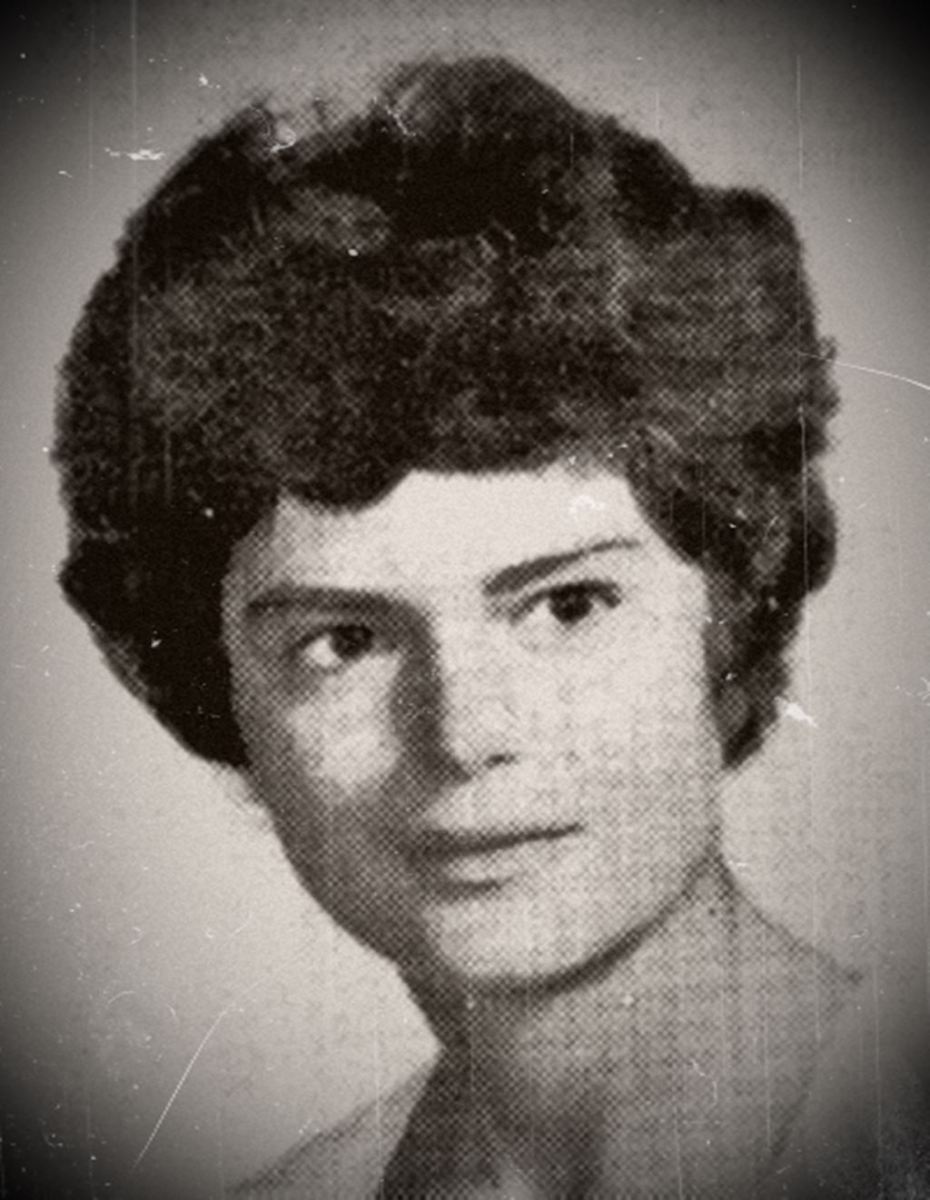
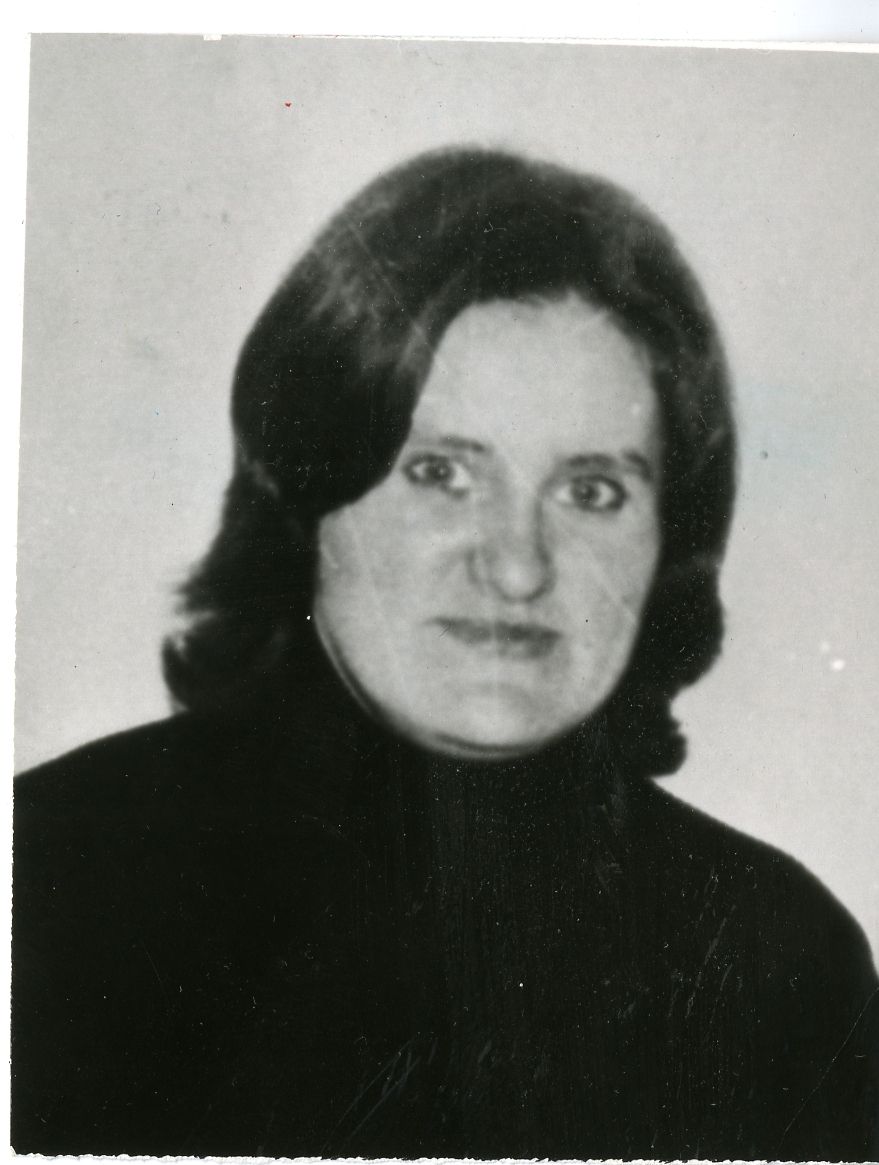
Donna Jean Awcock was a 17-year-old female living with her family in northeast London, Ontario, when an ordinary babysitting job ended in a murder that has remained unsolved for more than four decades. On the night of October 12, 1983, she went to babysit children for a neighbour in the Cheyenne Avenue apartment complex, now known as Oakville Avenue.
Donna was known to babysit regularly and lived only a short distance away.
The woman Donna was babysitting for returned during the early morning hours. Donna remained at the apartment long enough for the two to share some pizza, and she was then asked to make a short trip to a nearby convenience store to buy cigarettes. Investigators determined that Donna left at approximately 2:30 a.m. on October 13. She reached the store, but witnesses later recalled that something appeared wrong. According to accounts provided by her family, the clerk remembered Donna appearing upset or nervous. She asked to use the telephone but was refused because of the store's policy. Donna left the store, and that became the last confirmed sighting of her alive.
When Donna's mother awoke later that morning, she realized Donna had not returned home and that her bed was still empty. A younger sister was sent to the babysitting apartment to ask Donna to come home, but the woman there reportedly said Donna had already left the previous night. Her family immediately became alarmed because disappearing without explanation was considered out of character for her. Donna's sister, Tammy Dennett, later said police initially told the family they would have to wait before formally reporting her missing, so relatives and neighbours began searching themselves. Dennett recalled roughly 200 people from the surrounding apartment complexes joining the effort.
The search ended tragically on October 14. At approximately 5:15 p.m., Donna's body was located about two kilometres from her home near the banks of the Thames River, just west of the Fanshawe Dam. Searchers found her down an embankment in an isolated area. The investigation determined that she had been sexually assaulted, and her cause of death was manual strangulation. The circumstances indicated that whoever attacked Donna had taken her away from the immediate area where she was last seen and left her body near the river.
The Ontario Provincial Police took responsibility for the homicide investigation and over the years interviewed witnesses, pursued tips and repeatedly revisited the evidence as investigative and forensic techniques improved. Biological material recovered in the case produced a male DNA profile, but subsequent comparisons did not identify a match in Canada's National DNA Data Bank. The preservation of biological evidence has left investigators with the possibility that advances in DNA analysis could still provide an identification if the unknown profile can eventually be connected to a person or biological relative.
Several men came under scrutiny during the lengthy investigation. One of the most significant was Joseph Alvin Shepherd, a fugitive from Tennessee who was living in the London area under the name Joe Tripp and had connections to people in Donna's apartment complex. Shepherd had escaped custody in Tennessee while facing serious charges involving the killings of teenage girls. His presence near Donna's circle made him an important investigative lead after his true identity was discovered. He was eventually returned to the United States, and investigators later compared his DNA with evidence from Donna's homicide. The testing excluded Shepherd as the source, clearing him in Donna's murder. Other individuals who attracted investigators' attention over the years were also examined or eliminated, including through DNA comparisons.
Investigators have never publicly identified a person against whom they had sufficient evidence to lay a charge. No arrest, prosecution, trial or conviction has occurred in connection with Donna's killing. Even decades later, police continued to describe the investigation as open and said they believed someone possessed information capable of identifying the person or persons responsible. The Ontario government offered a $50,000 reward for information leading to an arrest and conviction, while police continued public appeals for even seemingly minor details from anyone who remembered the events surrounding Donna's disappearance.
Donna's family has continued pressing for answers long after the original investigation went cold. Her sister Tammy became one of the most persistent public advocates for the case, participating in anniversary appeals and efforts to keep Donna's name before the public. As recently as 2026, the murder remained unresolved, with the family still communicating with an OPP investigator and still waiting for the evidence or information that could finally identify Donna's killer.