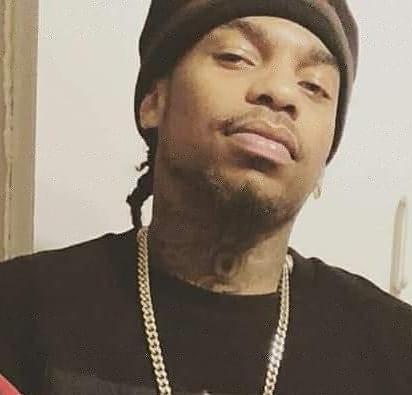
On a warm early summer evening in Boston, just as dusk was settling over the city, a young man’s life was abruptly and violently cut short. Leonardo Lopez, a 20-year-old male, was in the Charlestown neighborhood on Sunday, June 6, 2004, when his future was stolen from him. The specific details of his life—his family, his work, his passions, and his dreams—remain largely private, lost in the passage of time since his death. What is known is that on that night, he became a victim of a homicide that has remained unsolved for more than two decades, leaving a permanent void in the lives of those who knew and loved him.
The incident unfolded at 85 Old Ironsides Way, part of a residential area in the historic Charlestown neighborhood. Around the time of the shooting, Boston Police Department officers received a call reporting a person shot at that location. When they arrived at the scene, they found Leonardo suffering from gunshot wounds.
He was pronounced deceased right there on the street. The Office of the Chief Medical Examiner later conducted an autopsy and officially ruled the manner of death a homicide, confirming that Leonardo had been killed by another person.
The Boston Police Department immediately launched a homicide investigation. Detectives from the Homicide Unit canvassed the neighborhood, speaking to potential witnesses and searching for any evidence that could point to a suspect or a motive. In the hours and days that followed, they worked to piece together a timeline of Leonardo’s last moments. Who was he with? What was he doing in that specific location? Was his shooting a targeted act or a random burst of violence? These were the urgent questions that investigators faced as they began the difficult work of seeking justice for Leonardo.
Despite their efforts, the investigation into Leonardo Lopez’s murder has been met with persistent silence. Over the years, leads have grown cold and witnesses, if there were any, have not come forward publicly with information that could break the case open. No suspects have ever been publicly named, and no arrests have ever been made. The specific circumstances surrounding the shooting, including what precipitated the violence, remain a mystery to the public. For investigators, it is one of dozens of unsolved homicides from that year alone, a case file waiting for the one crucial piece of information that could finally provide answers.
As of 2024, Leonardo Lopez’s case is still officially listed as an unsolved homicide by the Boston Police Department. It is a cold case, but not a forgotten one. For the detectives in the Homicide Unit, these cases remain open and are subject to periodic review in the hopes that new technology, such as advancements in DNA analysis, or a person with long-held information choosing to finally speak up, might provide a new path forward. The passage of time can change allegiances and ease fears, and police hold out hope that someone, somewhere, knows exactly what happened on Old Ironsides Way.
For Leonardo's family and friends, the years have brought no closure, only the enduring pain of an unanswered loss. The legal and public proceedings that follow a homicide—arrests, trials, and convictions—provide a measure of justice and a public accounting of the wrong that was done. Without that, families are left in a state of perpetual limbo, grappling not only with their grief but with the haunting knowledge that the person responsible for their loved one's death has never been held accountable. The Boston Police Department continues to ask for the public’s help in solving this and other cold cases. They urge anyone with information, no matter how insignificant it may seem, to come forward.