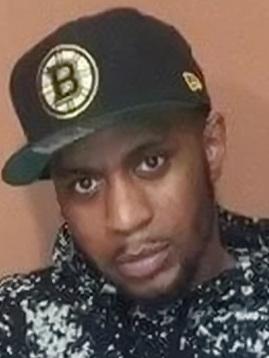
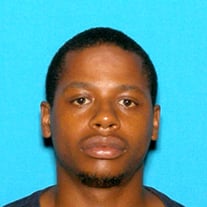
Harlan Harris was a creative and ambitious 16-year-old with a bright future ahead of him. A freshman at Charlestown High School in Boston, Massachusetts, he was known by his loved ones as a kind and generous young man. One of five brothers, the 6-foot-3 student played church league basketball and dreamed of one day playing professional football. Harlan also had an artistic side; a pencil-and-crayon drawing he made of the Boston Harbor Light won an award in a Boston Public Library competition when he was in the fifth grade. His family remembers him as a good kid who was focused on his plans to attend college. His older brother, Eddie, described him as "the nicest kid in the world" who "would give you the shirt off his back."
In the early moments of Saturday, May 15, 2004, Harlan’s promising life was cut short. He had gone to a birthday party for a 15-year-old friend on Morton Street in the Dorchester neighborhood.
The host of the party, a mother who was carefully monitoring the event, had a strict no-loitering rule and frisked guests for weapons at the door. Just before midnight, Harlan arrived but chose not to go inside. Shortly after, an argument broke out on the street. According to his mother, Doris Harris, she was told the dispute was over the name of a street that was also associated with a local gang.
Around 12:15 a.m., amidst the shouting, gunshots rang out. Witnesses reported hearing four shots fired. When the chaos subsided, Harlan was found lying wounded in the street near the intersection of Theodore and Morton streets. Someone at the scene tried to find a pulse but could not. First responders from the Boston Police Department arrived to find Harlan bleeding in the gutter. He was rushed to Boston Medical Center, where he was pronounced deceased. An autopsy by the Office of the Chief Medical Examiner determined that he had been shot three times and ruled his death a homicide.
Harlan’s murder was the 22nd homicide in Boston that year and one of four to occur in a single week, prompting then-Police Commissioner Kathleen M. O’Toole to announce a five-step action plan to address the sudden spike in street violence. His family was adamant that Harlan was not involved in gangs and was simply in the wrong place at the wrong time. "I just hope they get the kid who shot him, and that justice is done," his grieving mother told reporters at the time.
The investigation into Harlan Harris’s death was launched by the Boston Police Department Homicide Unit. In the immediate aftermath, police stated that the shooting did not appear to be connected to the other recent homicides. Detectives interviewed witnesses from the party and the neighborhood, but no arrests were ever made. The argument that preceded the shooting remains a key part of the narrative, but the identity of the person or people Harlan was arguing with, and the shooter who ended his life, remains a mystery.
Years have passed without answers, and the case has grown cold. The Boston Police Department continues to list Harlan Harris’s murder on its unsolved homicides page, a silent testament to a life taken too soon and a family left without justice. His case is one of many from that era that remain unresolved, leaving a lasting wound in the community. As of May 2024, more than two decades after his death, no suspects have been publicly identified, and no charges have been filed. The investigation remains open. The Boston Police Department urges anyone with information, no matter how insignificant it may seem, to come forward. Tips can be submitted to Crime Stoppers at 1-800-494-TIPS.