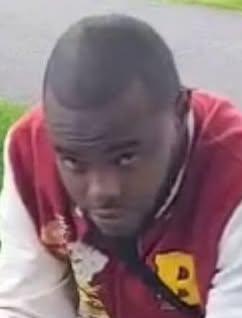
On May 10, 2004, Napoleon Maiben, a 41-year-old Black male, was shot and killed in the Jamaica Plain neighborhood of Boston, Massachusetts. The shooting occurred near 49 Horan Way, in the vicinity of a residential housing development. Boston police responded to a report of a person shot and discovered that Maiben had been the victim of a fatal shooting. His death was subsequently classified as a homicide by the Massachusetts Office of the Chief Medical Examiner, beginning an investigation into the circumstances surrounding the attack and the identity of the person responsible.
According to contemporary reporting in The Boston Globe, Maiben was an unemployed carpenter and the father of a two-year-old daughter. He was near a Jamaica Plain housing development when an assailant in a passing vehicle opened fire, fatally wounding him. The circumstances suggested that the shooter approached in a vehicle rather than confronting Maiben on foot.
However, publicly available accounts do not establish whether the shooting was targeted, whether Maiben knew his attacker, or what events may have preceded the gunfire. The identity of the driver, the number of people inside the vehicle, and the direction in which it traveled after the shooting have not been established in the available reporting.
Maiben's killing occurred during a particularly violent period in Boston. Within days of his death, several additional fatal shootings took place across the city. On May 11, 2004, 18-year-old Marquis Boseman was shot and killed outside his home in Dorchester while repairing a bicycle. On May 14, Christian Deburgo was fatally shot in Dorchester, and another shooting claimed the life of 16-year-old Harlan Harris on May 15. The succession of killings intensified concerns about gun violence and prompted Boston police leadership to focus additional attention on the city's growing number of homicides. Although these incidents occurred close together, there is no publicly established evidence connecting Maiben's death to the other shootings.
Investigators faced the challenge of determining who fired the fatal shots and why Maiben had been attacked. Publicly available homicide records identify the location, date, and cause of his death but provide limited information about the evidence collected during the investigation. There are no confirmed public details describing recovered firearms, surveillance recordings, eyewitness identifications, or forensic findings that definitively established the shooter's identity. Similarly, no verified information identifies a personal dispute, robbery, gang-related confrontation, or another specific motive behind the killing. Without such information, the circumstances that led to Maiben's death remain largely unexplained.
The available Boston homicide records do not identify a named suspect or defendant in Maiben's killing. No verified public reports were located documenting an arrest, criminal charges, indictment, trial, guilty plea, conviction, or sentencing directly connected to his death. The Boston Police Department continues to include Maiben among its 2004 unsolved homicide victims, indicating that the department has not publicly documented a resolution to the case. This designation does not necessarily mean investigators have never developed leads or considered potential suspects, but no confirmed identification of the person responsible has been established in the available records.
More than two decades after the shooting, Maiben's death remains a case in which the basic circumstances are known, but the questions surrounding the perpetrator and motive have not been publicly answered. Boston police continue to encourage anyone with information about unsolved homicides to contact the department's Homicide Unit at 617-343-4470 or provide information anonymously through Crime Stoppers at 1-800-494-TIPS. For Maiben's surviving family, including the young daughter he left behind, the absence of a publicly identified killer means that an essential part of his story remains unresolved. His case stands as a reminder of the lasting consequences of gun violence and the importance of information that could finally establish who was responsible for the fatal shooting on Horan Way.