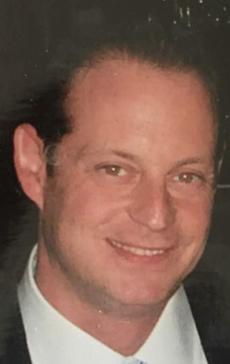
On the morning of June 28, 1978, a janitor arriving for work at the Blackfriars Pub on Summer Street in downtown Boston stumbled upon a horrific scene. In the cramped, subterranean basement of the Irish-themed pub, five men lay dead, the victims of a brutal, gangland-style slaying that would come to be known as the Blackfriars Massacre. One of the victims was the pub's owner, a 35-year-old man named Vincent Solmonte.
Solmonte, a resident of Quincy, was a known figure in Boston's
nightlife, also owning a trendy waterfront bar called "Vincent's". At the time of his death, he was reportedly under investigation by both the FBI and the IRS for activities including bankruptcy fraud and was known to law enforcement as a cocaine trafficker. In the early hours of that Wednesday morning, after the pub had closed, Solmonte and four other men were in the basement, apparently playing a game of backgammon before they were surprised by their killers.
The other victims were identified as Peter Meroth, 31, of Jamaica Plain; Freddy Delavega, 34, of Somerville; Charles Magarian, 37, of North Andover; and the pub's night manager, 34-year-old John "Jack" Kelly, a former investigative reporter. The men had been shot, and the crime scene was a brutal tableau of violence. Investigators found small amounts of cocaine and marijuana, along with $15,000 in cash in an open safe, leading them to believe the motive was not a simple robbery but was instead related to a drug deal gone wrong, possibly involving several kilograms of cocaine.
The investigation into the quintuple homicide pointed towards organized crime. Two suspects, Robert J. Italiano and William N. Ierardi, were eventually arrested and went to trial for the murders. However, after a twenty-seven-day trial in 1979, both men were acquitted, leaving the case officially unsolved. Despite the lack of convictions, law enforcement has long believed the massacre was connected to powerful figures in Boston's criminal underworld. The killings remain one of the city's most infamous unsolved crimes, a grim reminder of the violent organized crime that plagued the city in the late 1970s.