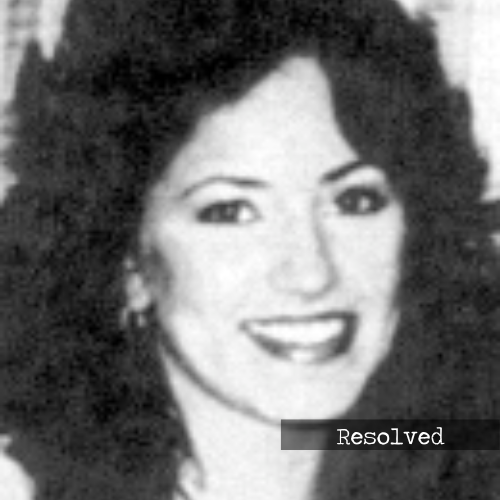
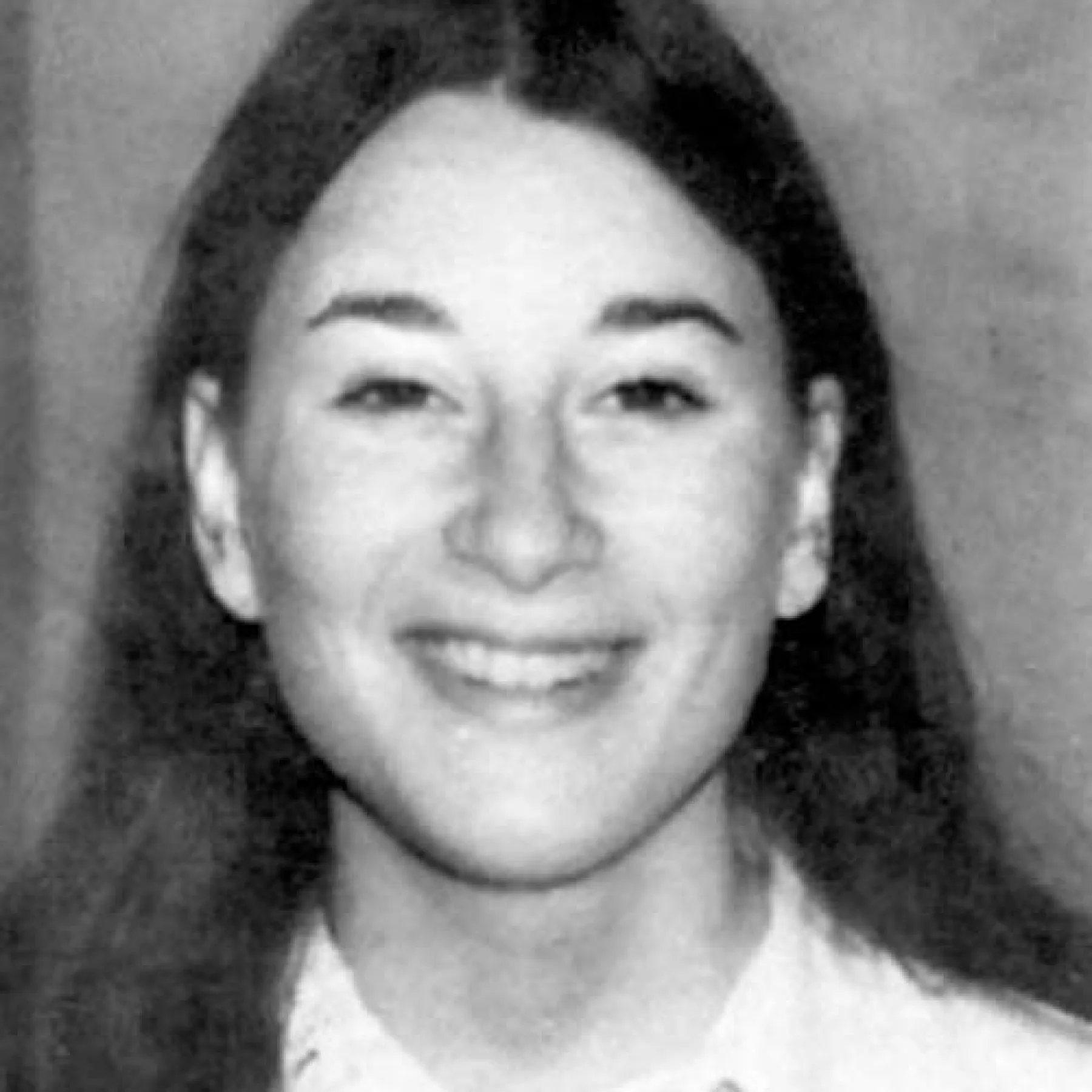
On March 30, 1999, the life of Shakondra Wilson, a 21-year-old African-American woman, came to a tragic end in the Dorchester neighborhood of Boston, Massachusetts. Boston police responded to a death investigation at 84 Spencer Street, where Shakondra was discovered deceased. What initially brought officers to the address became a homicide investigation after the circumstances surrounding her death were examined. The Massachusetts Office of the Chief Medical Examiner subsequently determined that her death was a homicide, confirming that she had died as a result of another person's actions. Shakondra's death became part of a disturbing double-homicide case that has remained unresolved for more than two decades.
Shakondra was not the only person found dead at the Spencer Street address that day. William Haynesworth, a young man identified by Boston police as 20 years old, was also discovered deceased at the same location.
His death was likewise ruled a homicide by the medical examiner. Historical Boston homicide records identify strangulation as the cause or method of Shakondra's death, although the publicly available police summary does not provide further details about the circumstances of the killing. The records do not establish whether the two victims were related, romantically involved, acquaintances, or connected in some other way. Investigators were faced with the deaths of two young people at the same address, raising significant questions about what had occurred inside the property and who was responsible.
The investigation into Shakondra's killing has left many important questions unanswered in the public record. Available historical documentation does not identify a suspect, establish a motive, or describe the events immediately preceding the deaths. There is also no publicly confirmed account explaining whether investigators believed one individual or multiple individuals were responsible. Although the circumstances suggest that the two homicides may have been connected, the exact sequence of events has not been publicly established. Without additional investigative findings, it remains unclear what led to the violence, whether the victims were specifically targeted, or whether anyone witnessed suspicious activity before police arrived.
Despite the passage of time, Shakondra's homicide continues to appear on the Boston Police Department's official list of unsolved homicides from 1999. Publicly available records reviewed for this case do not identify anyone arrested, charged, prosecuted, or convicted in connection with her death. Historical homicide data similarly contain no named defendant or documented court disposition for her killing. This does not establish that investigators never developed persons of interest or pursued investigative leads, but it does mean that no such developments could be independently confirmed through the available sources. The absence of a publicly identified suspect has left the circumstances of the double homicide unresolved.
More than 27 years after the deaths, the case remains a reminder of two young lives lost to violence in Boston's Dorchester community. Shakondra Wilson was only 21 when her life ended, and William Haynesworth also died at an age when much of his future still lay ahead. Although their deaths were officially classified as homicides, the identities of those responsible and the reasons behind the killings remain unknown to the public. Boston police continue to include both victims in their unsolved homicide records, preserving the possibility that additional evidence or information could eventually provide answers. The March 30, 1999, deaths at 84 Spencer Street remain an unresolved double homicide, with no publicly confirmed arrests or convictions and an enduring need for information that could help establish what happened and bring accountability for the loss of both lives.