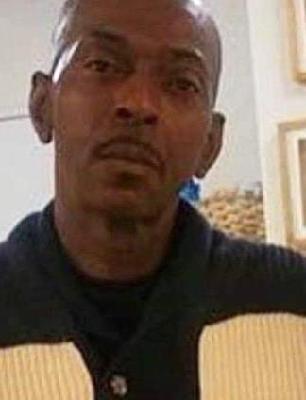
In the autumn of 1974, Boston was experiencing a year of significant violence, and on a Tuesday evening, another man’s life was abruptly taken. The city would record 110 homicides before this day was over, and the latest victim was a 45-year-old man named Francis Mack. A resident of South Boston, he was known to manage several lounges in the city's notorious "Combat Zone," an adult entertainment district then known for its volatile atmosphere. His life and work placed him at the center of a gritty, often dangerous, part of the city.
On November 12, 1974, the Boston Police Department received a call reporting a person shot in Chinatown. Officers were dispatched to 72 Tyler Street, where they found Francis Mack in a doorway. He had been shot at least once in the head and was pronounced deceased at the scene. The Office of the Chief Medical Examiner later officially ruled his death a homicide. The nature of the killing immediately suggested a targeted act.
Contemporary news reports described the murder as a "gangland type slaying," a grim label that hinted at a deeper, more complex story behind the crime.
The investigation into Mack's death fell to the Boston Police Department. Detectives at the time were faced with a case that had the hallmarks of an organized crime execution. The location in Chinatown, the fatal head wound, and Mack's own history created a challenging puzzle. According to a report in the Boston Herald American published the day after his death, Mack was not unknown to law enforcement. He had previously been a suspect in a gangland slaying that occurred in 1970, though the specifics of that earlier case are not widely known. This connection suggested that his own murder could have been an act of retaliation or a consequence of his business dealings in the city's underworld.
Despite the apparent leads and the "gangland" context, the investigation into who killed Francis Mack stalled. No arrests were ever announced, and the case gradually grew cold. Over the decades, the city changed, the Combat Zone was largely dismantled, and the memory of many of 1974's unsolved crimes faded from public view. For the detectives and the victim's family, however, the questions remained, locked in the silence of a case file that held no answers.
Decades have passed since Francis Mack was killed, and his murder remains officially unsolved. The Boston Police Department continues to list his name on its roster of cold case homicides from 1974, a stark reminder of a life cut short and a crime for which no one has been held accountable. The brief details on the police website offer only a glimpse into the final moments of his life, leaving the full story untold. Without new information or a witness coming forward, the case remains a quiet, unresolved chapter in the city's history.
The investigation is still open. The Boston Police Department urges anyone with information about the homicide of Francis Mack to contact the Cold Case Unit.