Crime Solvers Central
307 Cases Solved. Advancing justice for missing persons, unsolved homicides, unidentified and unclaimed remains.

Case Description

Any updates on this case? Let us know!
Summary based on 4 sources
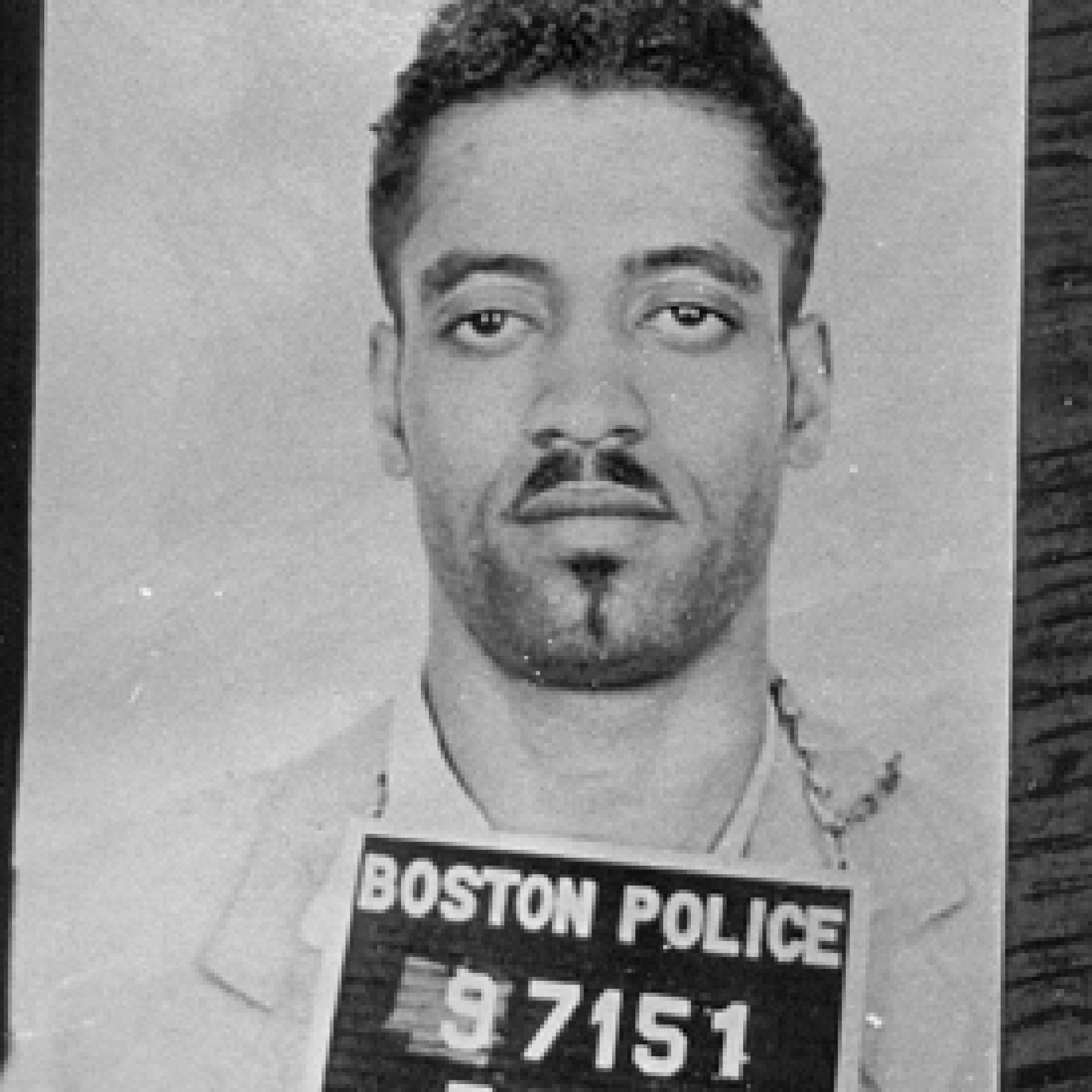
Guido St. Laurent was a man who found his vision only after he was blinded. Raised in the Roxbury neighborhood of Boston, Massachusetts, his early life was marked by frequent trouble with the law. That changed in 1960 while he was serving a sentence at MCI-Walpole. An accident in the prison workshop left him without his sight, a turning point he would later credit with giving him a new purpose. "It wasn't until I was blinded that I began to see," he once remarked. After his release, the 38-year-old Black man dedicated his life to community activism, becoming a dynamic and influential organizer. He founded the New England Grass Roots Organization, known as N.E.G.R.O., setting up its headquarters in a storefront on Blue Hill Avenue.

N.E.G.R.O. became a vital resource for Roxbury's African American community in the 1960s. St. Laurent used it to publicize positive news, mediate disputes, and provide self-help assistance to residents. He was a proponent of Black pride, often wearing natural hairstyles and traditional African clothing, yet he also believed in looking beyond race. After riots in 1967, he helped establish a youth patrol with a citizens band radio network, an effort credited by Boston police with helping to keep the peace after the assassination of Martin Luther King Jr. in April 1968. St. Laurent was a man of many plans, hoping to launch a community television series, start a performing arts program, and expand his organization nationwide. He was a husband and a father to an adult son, David.

On the night of November 13, 1968, St. Laurent was at the N.E.G.R.O. office with several others when gunmen burst in and opened fire. The attack was sudden and brutal. St. Laurent was killed, along with fellow organizer Carnell Eaton and a 25-year-old visitor from Cleveland named Harold King. Two other men, Ronald Hicks and Frederick B. Rose, survived the assault. St. Laurent's faithful guide dog, a German Shepherd named Russ, was also unharmed and was later taken in by his son. King was likely not an intended target, simply a visitor in the wrong place at the wrong time.

The triple homicide led to the arrests of brothers Alvin and Arnold Campbell, along with Dennis W. Chandler. The Campbell brothers were known criminals in Boston with associations with the notorious Winter Hill Gang. The three men were put on trial for the murders, but the case for the prosecution fell apart before it could be fully presented. A key witness, who was prepared to testify against the defendants, was murdered before he could take the stand. Without this crucial testimony, the case against the Campbells and Chandler collapsed. In June 1969, all three men were acquitted of the murders.

Decades later, a chilling confession shed light on why the case had failed. Winter Hill Gang hitman Johnny Martorano admitted that he was the one who had murdered the prosecution's witness. He stated he did it specifically to prevent the man from testifying against the Campbell brothers, thereby securing their acquittal. Despite this confession, no one has ever been convicted for the murders of Guido St. Laurent, Carnell Eaton, and Harold King.

More than 300 people, including civic leaders and civil rights activists, attended St. Laurent's funeral on November 15, 1968. Reverend James Breeden delivered a eulogy that honored him as a man of peace who had turned his life around to serve his community. He was remembered as a man who brought people together and worked tirelessly to create positive change in a turbulent era.

The case of the N.E.G.R.O. headquarters triple homicide is officially unsolved. Though suspects were tried and a powerful motive for witness intimidation was later revealed, justice was never secured for the three men who lost their lives that November night. As of late 2018, the murders of Guido St. Laurent, Carnell Eaton, and Harold King remain a cold case with the Boston Police Department.