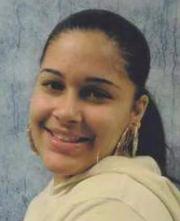
In the autumn of 1997, a season of escalating fear gripped the communities of Essex County, New Jersey. A series of brutal, unsolved murders targeting vulnerable women had been plaguing the area for years, and the pace was quickening. In the heart of this terror was the death of Sharon Smith, a 28-year-old Black woman whose life was cut short in the most callous of ways.
On Saturday, November 22, 1997, her body was discovered discarded in a dumpster in Newark, a city that had become the epicenter of a presumed serial killer’s hunting ground.
Sharon was one of at least fourteen women, and likely more, who fell victim to what became known as the Essex County prostitute killings. Between 1993 and 1998, a predator or predators targeted women, most of whom were involved in sex work. The victims were almost all Black, ranging in age from 19 to 37. The violence they met was varied and vicious; some were strangled, others were stabbed, and some were suffocated. Their bodies were left in the desolate, forgotten corners of Newark and the neighboring cities of Irvington and East Orange.
The weekend Sharon Smith was found marked a horrifying peak in the killer's activities. Her discovery was not an isolated event but the first of two in as many days. Just one day later, on November 23, the body of 30-year-old Yolanda Earp was also found. The chilling proximity of the two murders sent a wave of panic through the community and signaled to law enforcement that the killer was becoming more brazen, escalating the frequency of the attacks. The fact that Yolanda Earp's father was a retired Special Police Officer brought the tragedy even closer to home for the law enforcement community struggling to make sense of the slayings.
The series of murders had begun years earlier, with the first officially linked case being the death of Diane Floyd in March 1993. But the cluster of killings in 1997, including that of Valerie Wilson in April and then the back-to-back discoveries of Sharon and Yolanda in November, created intense pressure for a response. A high-ranking law enforcement source would later tell The Star-Ledger that despite some inconsistencies in the methods, "All indication points to a serial killer."
In response to the mounting number of victims and public fear, the Essex County prosecutor's office formed a special task force on March 31, 1998. The move came a month after Newark's Police Director, Joseph Santiago, had publicly expressed his grave concerns about the pattern of deaths. The task force was tasked with re-examining all the cases, searching for the thread that would connect the victims and lead them to the person or people responsible for the reign of terror.
The investigation was complex and frustrating. Investigators looked into several suspects over time. One man was arrested and charged with the murder of Valerie Wilson, but was later found incompetent to stand trial. Another was investigated after being identified by several women for impersonating a police officer to abduct and assault them, but he was never definitively linked to the murders. As the investigation deepened, the initial theory of a single serial killer gave way to the grim possibility that multiple predators were at work, preying on the same vulnerable population.
Decades have passed since Sharon Smith was killed. The task force was unable to bring official charges in the string of slayings, and the case of the Essex County prostitute killings has grown cold. The identity of who was responsible for the deaths of at least fourteen women, including Sharon, remains a haunting mystery. Her death, and the deaths of all the victims, left a scar on the community and a legacy of unanswered questions and justice denied.