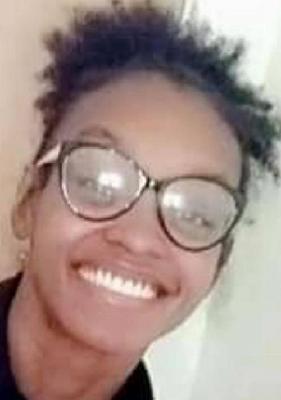
On a summer day in Chicago, the life of LaFonda Sue Wilson, a 43-year-old Black woman, came to a violent and tragic end. On June 25, 2010, she was found in an alley, another victim of a brutal act that left a family grieving and a city with another unsolved murder. The cause of her death was determined to be strangulation, a chilling detail that would later connect her case to a much larger and more terrifying pattern of violence that had been plaguing the city for years.
Her death was not an isolated incident but one thread in a dark tapestry of dozens of similar killings.
LaFonda’s case is one of 51 unsolved homicides that experts believe may be the work of a serial killer, or possibly multiple killers, often referred to as the Chicago Strangler. Between 2001 and 2018, a horrifying number of women, totaling at least 75, were killed in similar ways across the city. The primary methods were strangulation and asphyxiation. The victims were predominantly Black women, and their bodies were often discovered in desolate, hidden places: alleys, abandoned buildings, garbage bins, and vacant lots, primarily on the city's South and West Sides.
The alarming pattern of these unsolved murders was brought to light by the Murder Accountability Project, a nonprofit organization that uses a computer algorithm to detect potential serial homicides from FBI data and public records. The group identified a cluster of 51 strikingly similar unsolved cases in Chicago, including LaFonda's, suggesting a serial predator was at work. The victims were often stripped of their clothing, their lives discarded with a cruelty that shocked even seasoned investigators.
Despite the compelling data and the consistent patterns in the killings, the Chicago Police Department has historically stated that it has not found definitive evidence to link all 51 cases to a single serial killer. However, following pressure from activists and community leaders who felt the victims were being forgotten, the department agreed to review the cluster of cases. These advocates have worked tirelessly to ensure that the women, many of whom lived on the margins of society, are not ignored and that their families receive the justice they deserve.
The investigation into this string of murders has been complex and frustrating. While some of the 75 total cases identified were eventually solved, leading to the arrest of over a dozen different men, the majority, including the 51 cases in the cluster, remain cold. This has led to the difficult conclusion that while some of the murders may be connected, it is also possible that multiple offenders are responsible for this decades-long wave of violence against vulnerable women in Chicago.
Today, LaFonda Sue Wilson’s murder remains unsolved. Her name is on a list with dozens of others, a somber reminder of a series of crimes that has left deep scars on the city. For her family, and the families of the many other victims, there are no answers, only the enduring pain of loss and the hope that one day, the person or people responsible for these heinous acts will be brought to justice. The search for answers continues, fueled by the memory of the women whose lives were so tragically cut short.