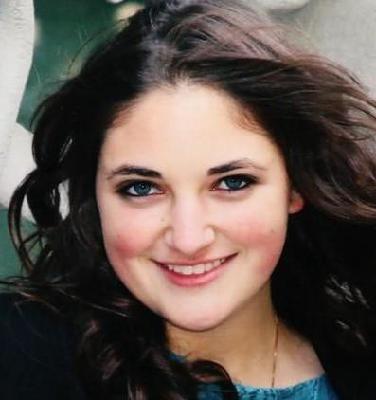
In the autumn of 2007, the life of Veronica Frazier, a 40-year-old woman, came to a violent and tragic end in Chicago, Illinois. On October 22, 2007, she became another victim in a city grappling with a chilling and long-running series of murders. Her death was not an isolated incident but part of a disturbing pattern of violence that has haunted Chicago for years, leaving a trail of unresolved cases and grieving families.
Veronica’s case is one of at least 51 unsolved homicides of
women in Chicago attributed to a potential serial killer, or killers, sometimes referred to as the "Chicago Strangler." This cluster of murders, spanning from 2001 to 2018, shares a brutal and consistent methodology: the victims were killed by strangulation or asphyxiation. The circumstances of these deaths point to a predator who targeted some of the city's most vulnerable residents.
The victims in this series of killings were predominantly Black women, and their bodies were often discovered in desolate, out-of-the-way locations on the city's South and West Sides. They were left in alleys, abandoned buildings, garbage bins, and parks, discarded in ways that compounded the tragedy of their deaths. Many of the women, whose ages ranged from 18 to 58, had histories of addiction, housing insecurity, or involvement in sex work, factors that may have increased their vulnerability.
Despite the alarming number of similar cases, the official response has been a source of frustration for many. For years, the Chicago Police Department did not publicly connect the slayings or acknowledge the likelihood of a serial killer. It was the work of organizations like the Murder Accountability Project, using an algorithm to detect patterns in unsolved homicides, that brought national attention to the cluster of 51 strikingly similar cases. This analysis highlighted the common method of killing, victimology, and geographic concentration of the crimes.
In 2019, following pressure from activists and families, the Chicago police announced a review of the unsolved cases. However, they have maintained that there is no definitive evidence to prove all 51 murders were committed by a single person. While some of the 75 total strangulation cases from that period have been solved, leading to the conviction of multiple different men, the majority, including Veronica's, remain cold.
For the families of these women, the lack of answers is a persistent agony. The cases often received minimal media attention at the time, becoming mere blips in the news cycle, if they were covered at all. This perceived indifference from both law enforcement and the public has left many families feeling that their loved ones were forgotten. They were mothers, daughters, and sisters whose lives were valuable and whose disappearances left an unfillable void.
Veronica Frazier’s murder remains unsolved. Her story is tragically intertwined with dozens of others, a collective of women whose deaths demand justice and whose memories are kept alive by those who refuse to let them be forgotten. The investigation into the Chicago Strangler killings is ongoing, but for Veronica and the many other victims, the path to answers remains uncertain, a quiet and painful chapter in the city's history of violent crime.