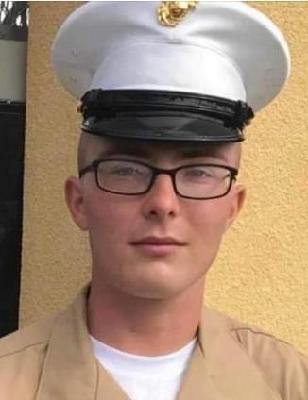
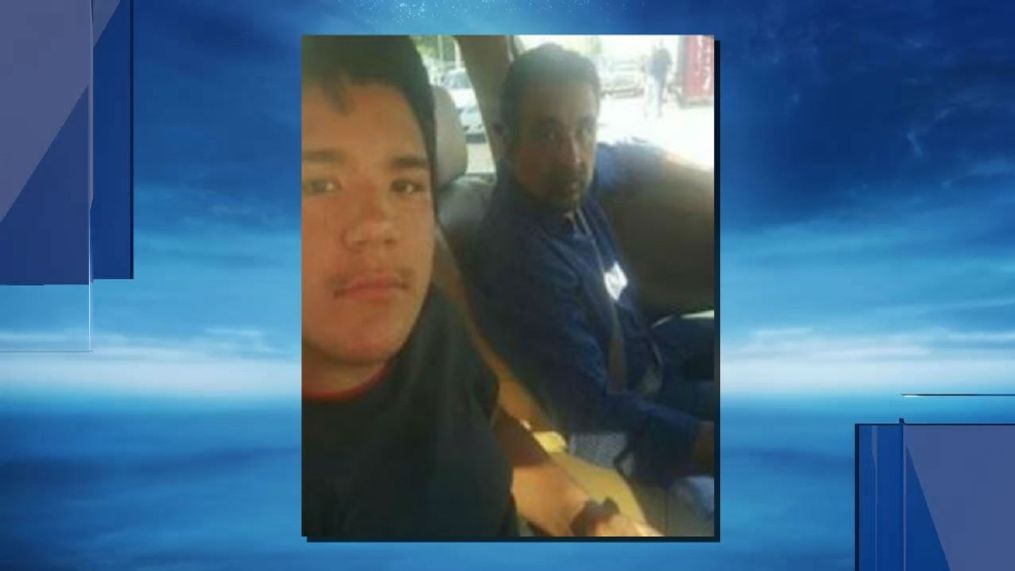
On an April night in Oklahoma City, a chaotic and violent encounter inside a small house left two men dead and set in motion a legal battle that would span more than two decades. One of the men who lost his life that night was James Vincent Lynch III, a 58-year-old Male known to friends as "J.V." Born in Dundalk, Maryland, on October 22, 1943, his life was cut short on April 27, 2001, a victim of serial killer Phillip Dean Hancock.
That evening, Lynch was at the southwest Oklahoma City
home of his friend, 37-year-old Robert Lee Jett Jr. The two men were with Hancock and another woman inside Jett's cluttered house, where a Harley-Davidson motorcycle was in a state of partial repair. An argument, reportedly over a pack of cigarettes, escalated into a deadly confrontation. Hancock, who had a long criminal history, claimed the two men attacked him, with Jett swinging a metal bar and ordering him into a large cage inside the room. He maintained that he fought for his life, managed to wrestle Jett's pistol away from him, and shot both men in self-defense.
When police responded to a neighbor's 911 call reporting gunshots, they found a grim scene. James Lynch was discovered dead on the floor inside the house from gunshot wounds. Robert Jett was found moaning in his own backyard, having been shot as well; he died from his injuries. The investigation into the double homicide quickly focused on Phillip Dean Hancock. Forensic evidence connected him to the slayings, and on June 28, 2002, he was charged with two counts of first-degree murder.
The case against Hancock revealed a history of violence. Nineteen years earlier, in 1982, he had shot and killed another man, Charles Lester Warren, also claiming self-defense. In that case, a jury convicted him of the lesser charge of first-degree manslaughter, and he was sentenced to just four years in prison, serving less than three. Prosecutors in the Jett and Lynch murders argued that Hancock's self-defense story was inconsistent and did not align with the physical evidence. A witness testified that after shooting Jett inside the house, Hancock followed him into the backyard. The witness claimed Jett said, "I'm going to die," to which Hancock replied, "Yes, you are," before shooting him again.
On September 30, 2004, an Oklahoma County jury rejected Hancock's self-defense claim and found him guilty of two counts of first-degree murder. The jury recommended the death penalty for both killings, and on October 25, 2004, the judge formally sentenced him to death. For years, Hancock sat on death row, maintaining his innocence through a lengthy appeals process. His case drew the attention of death penalty opponents and even some Republican state legislators who believed his self-defense claim was credible.
In November 2023, just weeks before his scheduled execution, the Oklahoma Pardon and Parole Board voted 3-2 to recommend that Hancock's life be spared. The recommendation put the final decision in the hands of Governor Kevin Stitt. Despite the board's vote and pleas from Hancock's supporters, the families of James Lynch and Robert Jett urged that the execution proceed. Lynch's brother, Robert, testified against clemency, stating, "Murder is murder." Governor Stitt ultimately denied the clemency request.
Phillip Dean Hancock, 59, was executed by lethal injection on November 30, 2023. After his death, a message from James Lynch's sister was read. "I am grateful that justice has been served according to God's Will," she stated, "and this 22-year nightmare can finally be laid to rest." Robert Jett's brother, Ryan, spoke for both families, expressing their long-awaited sense of closure. "We've waited a long time for justice to be served," he said, "and today it was served."