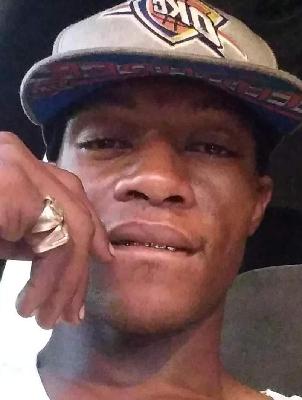
Jonathan Chandler grew up to be someone colleagues remembered as gentle and encouraging, the sort of person who bent over backward to help the children he worked with at school. In Oklahoma City he served as a classroom assistant, calmly soothing noisy rooms with a soft voice, while juggling a second job at McDonald’s and talking about the day he might finally earn a college degree.
Jonathan Chandler, a 26-year-old African-American male, was taking on those extra shifts to steady his finances and build a different future for himself.
In the early hours of October 25, 2007, that future disappeared. Sometime before dawn he was shot, and his body was found in a residential area of Oklahoma City, already fatally wounded by gunfire. Public summaries of the case record only the stark facts: he was discovered dead that morning, the cause was a shooting, and the circumstances leading up to the violence have never been clearly laid out in the information made available to the public.
The news hit his school community with a kind of stunned disbelief. A teacher who had worked closely with him later wrote about how unreal it felt to see his name in news reports, remembering the tall aide who used to drift into the workroom in loafers and striped shirts, always ready with a quiet joke or a word of support. She recalled someone who shared his struggles openly and asked friends to pray for him, who worked hard to pull himself out of what he saw as his worst habits, and who tried to model patience and gentleness for the children around him. To them he was more than a staff member; he was a mentor and friend whose absence left a visible gap in classrooms and hallways that had once felt brighter when he was there.
Beyond Oklahoma, family and friends in Mississippi mourned him as well. Burial records show that after his death on October 25, 2007, he was laid to rest in a cemetery in Rienzi, Alcorn County, Mississippi, a final resting place far from the Oklahoma streets where his life ended. Genealogy and memorial entries preserve the bare chronology of his life—born December 4, 1980, gone by the fall of 2007—leaving the space between those dates to be filled by the memories of those who knew him in classrooms, churches, and break rooms.
The official story of what happened that night, however, remains frustratingly thin. Case-tracking summaries list his killing as an unsolved homicide and emphasize that the investigation is still unresolved many years later. In online forums devoted to unsolved cases, people from Oklahoma City write about their concern and sadness, wondering how overburdened investigators can give every file the attention it deserves and lamenting that his family has waited so long without answers. As reflected in the most recent public updates, no arrests have been reported in connection with the shooting, and authorities have not officially named any suspect or suspects, leaving his death as an open wound in both the community and the record, a story of a promising life cut short with its final chapter still unwritten.