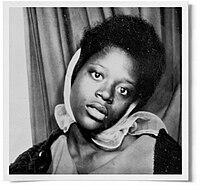
In the bustling industrial landscape of 1920s South Omaha, Nebraska, a young family was just beginning to build their life. Gertrude Resso, a 21-year-old female, was married to Gearold "Waldo" Resso, and they were raising two small sons, three-year-old Robert and nine-month-old Melvin. Born Gertrude Mae Brown in 1906 in nearby Weeping Water, she had established a home with her husband, who worked for Roberts Dairy.
In November 1928, her younger sister, 18-year-old Creda Brown, had come to visit, bringing a youthful energy to the small family home.
The afternoon of Monday, November 19, 1928, shattered their world. Waldo Resso returned home from his shift at the dairy around 2 p.m. to a scene of unimaginable horror. Entering the bedroom he shared with his wife, he found Gertrude’s bludgeoned body on their bed. In a state of panic, he ran screaming through the house, searching for his sister-in-law. He found Creda in an upstairs bedroom, also brutally murdered in her sleep. Both women had been attacked with a blunt instrument, their heads crushed. Investigators noted that Gertrude had also been choked, and Creda had been gagged.
The crime was exceptionally vicious, leaving the local community and law enforcement stunned. Douglas County Attorney Beal, a man with a decade of experience as a prosecutor, called it "without question the foulest murder I have ever come in contact with." In a chilling and merciful twist, Gertrude's two young sons, who had been sleeping in a crib right beside their mother's bed, were physically unharmed. According to newspaper reports from the time, the only sign the attacker had been near them was a bloody handprint smeared across baby Melvin's face.
The murders of Gertrude and Creda were part of a wave of terror that gripped Omaha. The day before, on November 18, a 74-year-old man named J.W. Blackman was found beaten to death in his own home, a bloody ax discovered nearby. The press dubbed the unknown assailant "The Chopper." The city was on high alert, and fear permeated the community. The investigation into the string of brutal attacks led police to a transient laborer named Jake Bird, who had arrived in Omaha a few months prior.
Bird was arrested in Omaha not for the murders, but for a separate, savage attack on a couple in Carter Lake. Though he was a suspect in the Resso and Brown slayings, he was never charged or tried for them in Nebraska. Instead, he was extradited to Iowa for the Carter Lake assault and sentenced to prison. It would be nearly two decades before the full scope of his evil was understood. After being released from his Iowa sentence, Bird continued his violent spree across the country.
The final chapter of Jake Bird's story, and the resolution to Gertrude and Creda's case, came in 1947. After his arrest in Tacoma, Washington, for the brutal ax murders of two other women, Bird began to confess. He claimed responsibility for as many as 46 murders across numerous states. His method was consistent: entering homes and bludgeoning his victims, usually women, with an axe or hatchet. Among his many confessions were the 1928 murders in Omaha, finally connecting him officially to the deaths of Gertrude Resso and her visiting sister, Creda Brown. Jake Bird, known as "The Tacoma Ax-Slayer," was convicted of two counts of first-degree murder in Washington and was executed in 1949. Though justice for Gertrude and Creda was delayed, their killer was ultimately held accountable. Gertrude and Creda were laid to rest in Oakwood Cemetery in their hometown of Weeping Water.