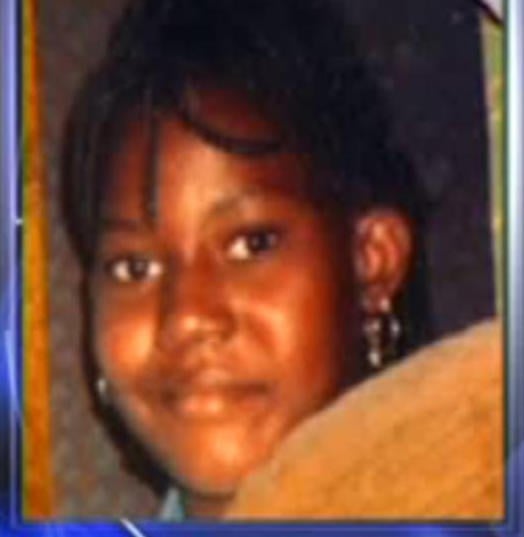
On a warm early summer evening in Yonkers, New York, 14-year-old Michelle Walker was a popular and friendly ninth-grader just beginning to explore her teenage years. On June 6, 1987, the well-liked girl, who was just starting to wear makeup and took pride in her appearance, set out on a simple errand for her family. Her parents had sent her to a nearby shop on Warburton Avenue to buy pizza and a carton of milk for her younger sisters.
She took a familiar route, a popular trail built over an old aqueduct, but she never made it home.
The next day, an 11-year-old boy discovered Michelle’s partially clothed body in a wooded thicket just off the main path, only a few hundred yards from her family's home. She had been ambushed from behind, sexually assaulted, and killed by asphyxiation. Her cash and jewelry were missing. The brutal crime sent a chill through the tight-knit, working-class neighborhood, shattering the community's sense of safety. The idea that a young girl could be attacked in a public place in the middle of the day was a terrifying realization for local families.
The initial investigation into Michelle’s murder generated hundreds of leads but ultimately went cold. One person of interest was 18-year-old Patrick Baxter, who lived in an apartment building that overlooked the very trail where Michelle was attacked. Michelle's sister was wary of Baxter and did not like him. Incredibly, due to legal rules in place at the time, detectives were prevented from questioning Baxter about Michelle's case because he already had legal counsel for a separate, unrelated matter. For years, the case remained one of Westchester County's most haunting unsolved homicides.
The path to justice was long and frustrating, driven by the determination of Michelle's mother, who relentlessly pushed the police to keep the investigation active. The break finally came more than a decade later, thanks to advancements in forensic science. In the late 1990s, cold case investigators re-examined the evidence. By March 2000, new DNA testing technology allowed a lab to identify a genetic profile from evidence recovered from Michelle's body. Investigators soon discovered that this same DNA profile matched evidence from another unsolved murder, that of 25-year-old Lisa Gibbens, who was killed in Tuckahoe in 1990.
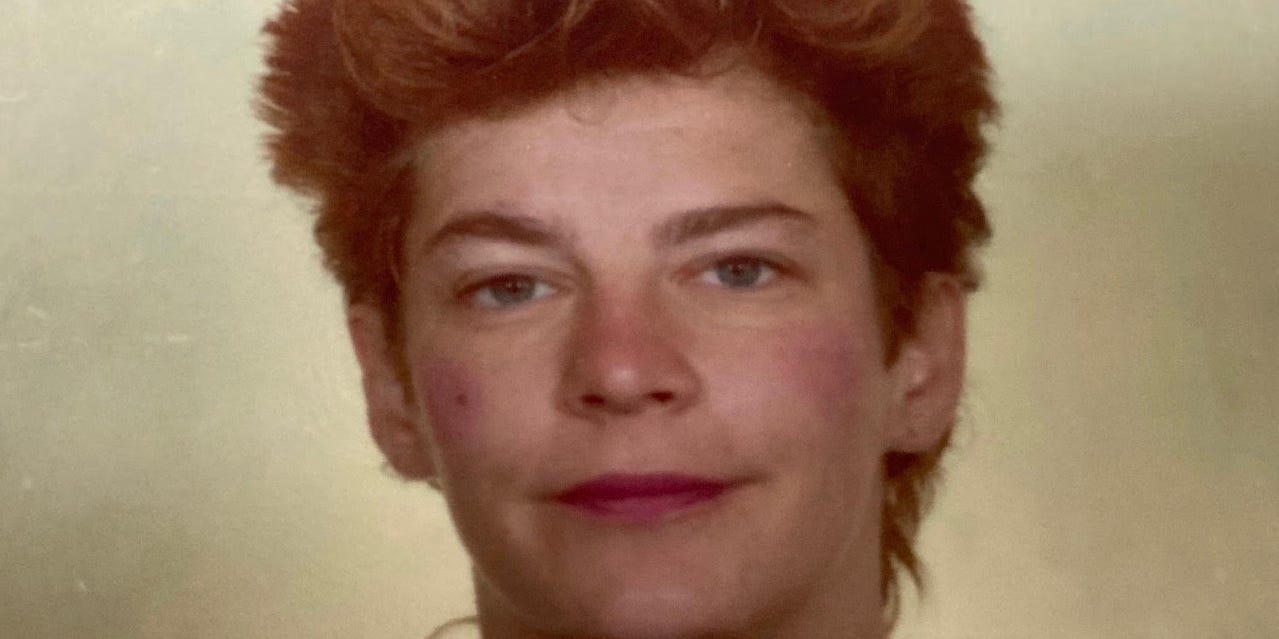
This crucial link revitalized the investigation. Detectives from different police departments began to collaborate, realizing they were likely hunting for the same person. Their focus again turned to Patrick Baxter, whose name had come up in the initial investigations of both Michelle Walker's murder and the 1987 killing of a third victim, 19-year-old Patricia England. By this time, Baxter was already in prison, serving a sentence for auto theft. After a legal battle, investigators obtained a court order for a sample of Baxter's blood. The DNA results were undeniable: his genetic profile was a match for the evidence found at all three crime scenes.
Patrick Baxter, the man who had lived just a short walk from Michelle's home, was charged in 2000 with the murders of Michelle Walker, Patricia England, and Lisa Gibbens. His 2002 trial hinged on the powerful DNA evidence, which prosecutors described as a "one in a trillion" match. On May 9, 2002, a jury found Baxter guilty on 12 counts of second-degree murder for the three killings. He was sentenced to 75 years to life in prison, receiving consecutive sentences of 25 years to life for each of his victims. During his sentencing, Baxter offered condolences to the families but maintained his innocence, calmly denying his responsibility for the brutal crimes that had taken three young lives and haunted a county for over a decade.