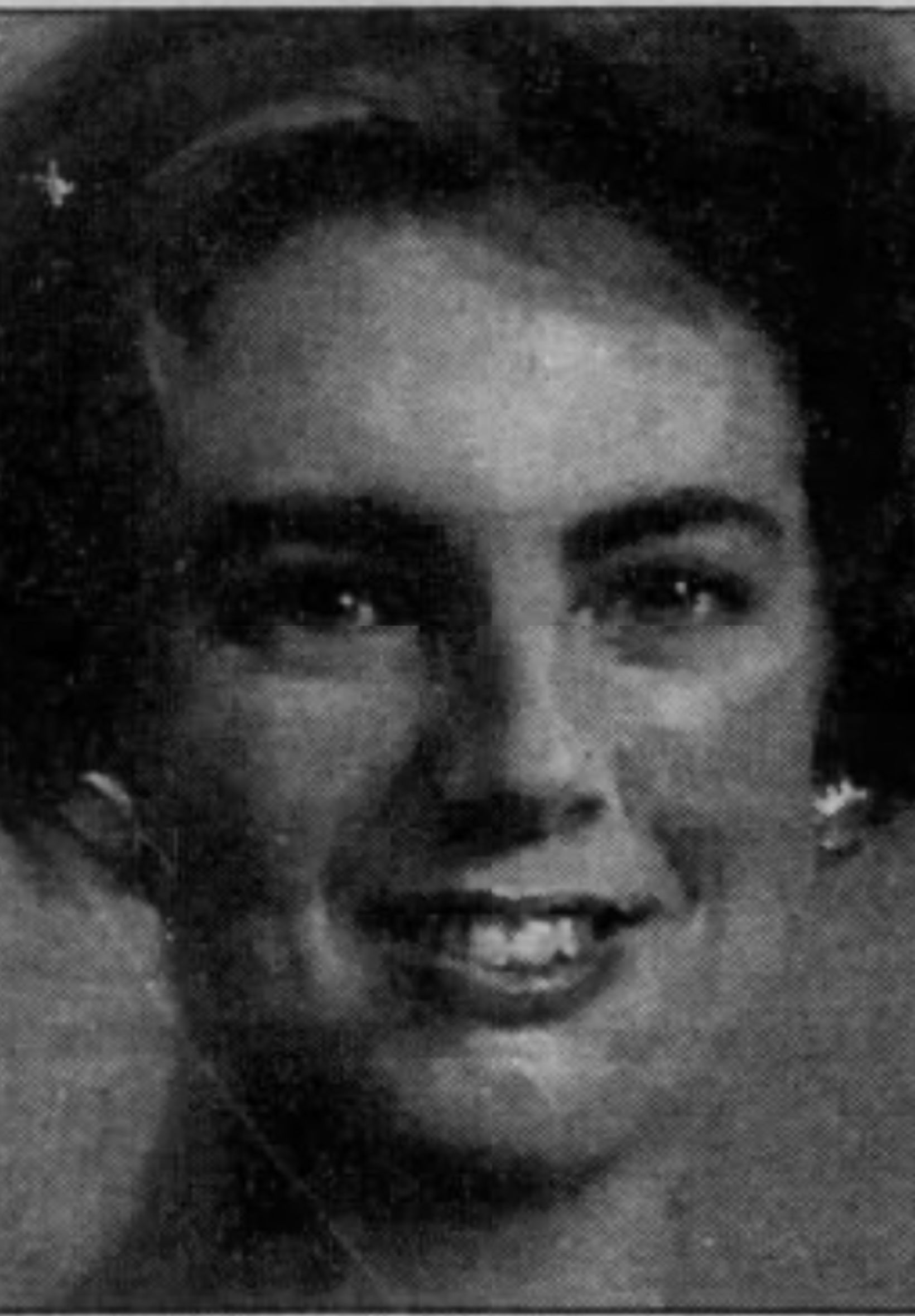
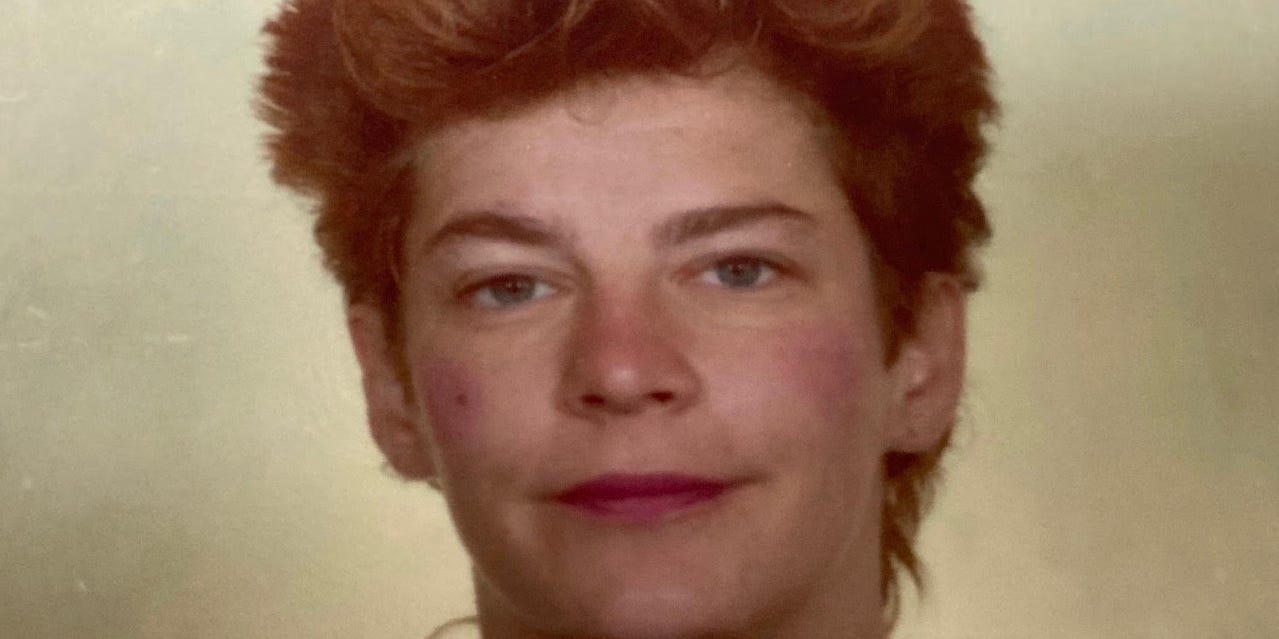
Judith Becker was a 26-year-old woman and a psychologist living in Yonkers, New York, when her life ended in sudden violence in the fall of 1974. She was found in her apartment after being badly beaten and strangled with a stocking, a scene that suggested someone had stayed close long enough to overpower her and make sure she could not fight back. Accounts from later court and news reporting describe her parents as the ones who discovered her, turning an ordinary visit into the moment the world
split in two for their family.
The name that rose almost immediately from the wreckage was Ricardo Silvio Caputo, an Argentine man who had been in the psychiatric system and, according to later reporting, had come to know Becker through her professional life. He was described as handsome and persuasive, someone who could shift the tone of a room and the story he told about himself, and he drew Becker into a relationship that those around her argued about afterward—some saying it was romantic, others insisting she was trying to help and keep boundaries that were harder to hold than she admitted. Either way, investigators came to believe Caputo had been in her orbit, showing up at her apartment during times he was allowed out, until the night it all went silent.
When Becker was killed, police quickly treated Caputo as the central suspect, not a vague possibility but a man they expected had already run. Reports describe authorities searching not only for him, but also for Becker’s car, which was missing along with the sense of safety the building had once offered. A warrant was issued in Yonkers and a nationwide alert followed, the kind of bureaucratic thunder that arrives after a murder, loud on paper yet often too late on the street. Caputo slipped away anyway, and the case hardened into something families of victims know too well: the long, exhausting span where grief becomes routine while justice remains theoretical.
Two decades passed before the story lurched forward again. In 1994, Caputo reappeared and the Becker killing returned to public view with a jolt, tied to revelations that he was also suspected in other deaths from the 1970s. A Westchester County grand jury investigation pressed ahead as attention intensified, even spilling into litigation over material connected to a televised interview in which Caputo discussed the case—an unusual collision of criminal investigation, media access, and the state’s determination to pull evidence into the open. The renewed scrutiny made clear what investigators had believed from the beginning: Becker’s death had never been forgotten, only delayed.
In 1995, the case reached its legal conclusion not with a dramatic trial, but with Caputo’s own admissions. He pleaded guilty in Westchester County Court to Becker’s killing, with reporting describing his confession to strangling and beating her, and he was sentenced to a term that amounted to the rest of his life in prison. By then, Caputo was being described as a serial killer who had confessed to multiple murders across different places and years, and the Becker case was positioned as one chapter in a wider pattern of intimate, lethal control. He later died while incarcerated in New York, leaving behind a record of violence and a trail of lives interrupted, with Becker’s name fixed in the chronology as the death he ran from for twenty years before finally answering for it in court.