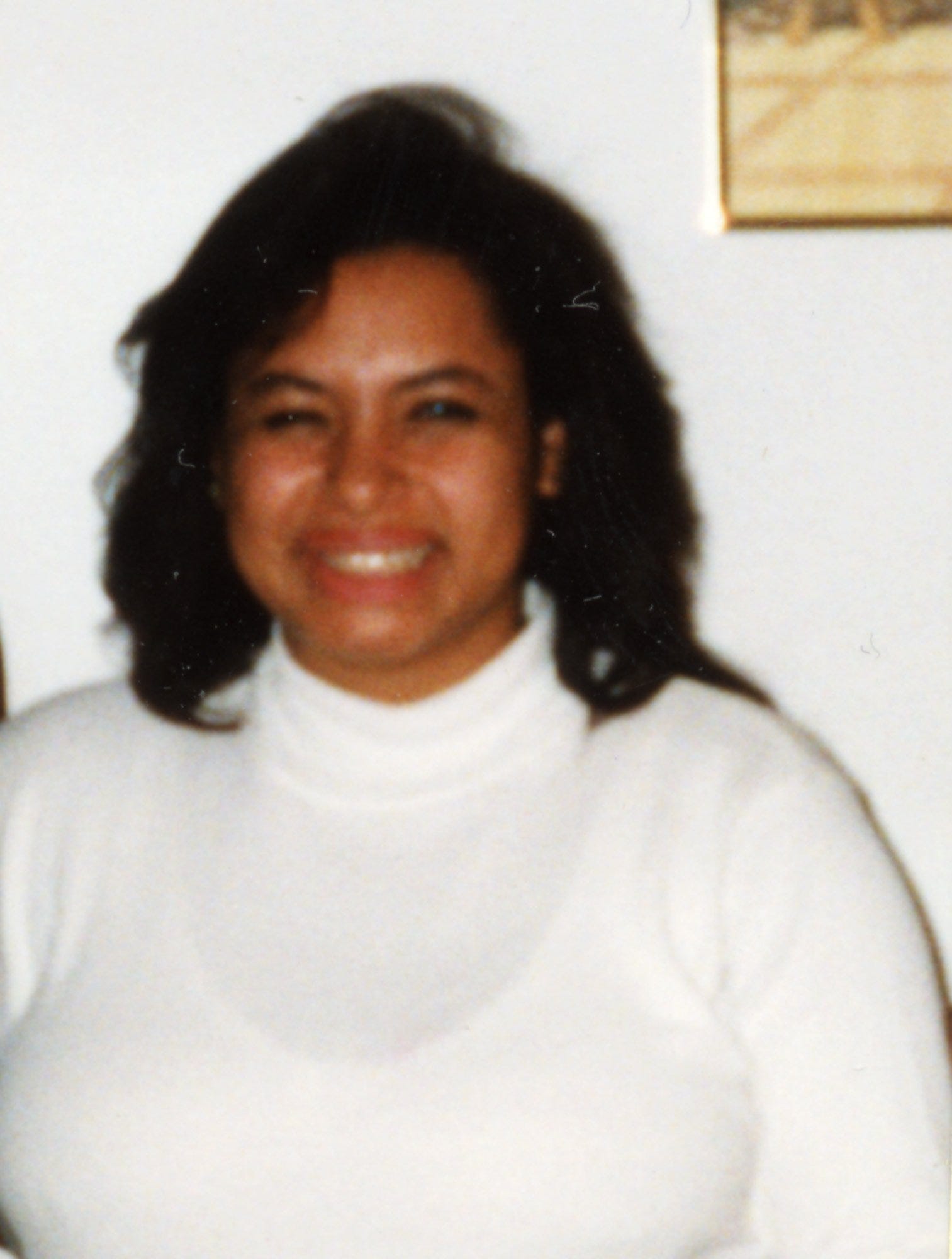
Lori Vasquez, 24, was a woman from Brooklyn whose life ended in late August 1991, and the first sign the public had that something terrible had happened came days later in Yonkers. On August 31, 1991, what was left of her was discovered stuffed into a trash container along Belknap Avenue, a disposal so deliberate and brutal that it read like an attempt to turn a person into something unrecognizable, something that could be thrown away without a name.
Police worked the scene as neighbors
tried to make sense of the sudden presence of horror in an ordinary place. There were no clear witnesses stepping forward with a helpful memory, no obvious suspect caught in the act. The way her remains were handled suggested planning and a will to conceal, the kind of violence that doesn’t stop at killing but keeps going afterward—cutting, packaging, moving—until the victim is reduced to evidence and mystery.
Then Yonkers was hit again. In 1992, another dismembered woman was found discarded in the city, deepening the fear that this wasn’t a single, isolated crime. The cases lingered in the background of a larger, darker pattern forming across the region—women disappearing, bodies appearing in dumpsters, bins, and out-of-the-way places—pieces of lives turning up where no one should ever have to find them.
The break that ultimately connected these crimes came years later through a different investigation. Detectives chasing the murder of another woman followed leads from sex workers in Queens who described a man with specific habits, a blue Cadillac, and a routine that didn’t involve motels. They guided police to a house in Hicksville, and investigators began building the case with surveillance, photo identifications, and traceable details—down to a brand of sleeping bag sold by a single retailer. The picture sharpened: a man bringing vulnerable women to a small room, using drugs, and leaving a trail that was invisible until it wasn’t.
Robert Yale Shulman was arrested in 1996, and once he was in custody, the scope of the violence expanded beyond what any single county had been investigating. He was prosecuted across jurisdictions, with authorities attributing multiple killings to him spanning the early 1990s into the mid-1990s. After convictions for murders on Long Island—including a high-profile case that brought a death sentence in 1999—he was brought to Westchester County to answer for the Yonkers killings. In early January 2000, he pleaded guilty in Westchester County Supreme Court to the murders tied to Yonkers, including the 1991 killing of Lori Vasquez, admitting that he killed her and disposed of her remains in a trash bin on Belknap Avenue. He received an additional sentence of 25 years to life for the Westchester murders, closing the legal question of who did it even if it could never restore what was taken.
The case also pulled in Shulman’s brother, Barry, who authorities said helped with disposing of remains. He faced prosecution for his role after investigators concluded he had aided and abetted the aftermath of the killings. He was convicted and sentenced to a term that topped out at two years, a result that angered prosecutors and devastated families who believed the punishment didn’t match the moral weight of helping hide a human being.
Shulman never returned to the outside world. His death sentence was later commuted after New York’s capital punishment framework was struck down, and he ultimately died in prison in 2006. What began with Lori Vasquez being found discarded in Yonkers became, in retrospect, the opening chapter of a serial pattern—one that moved across county lines, relied on secrecy and dehumanization, and for years left victims as fragments until detectives finally stitched the stories together in court.