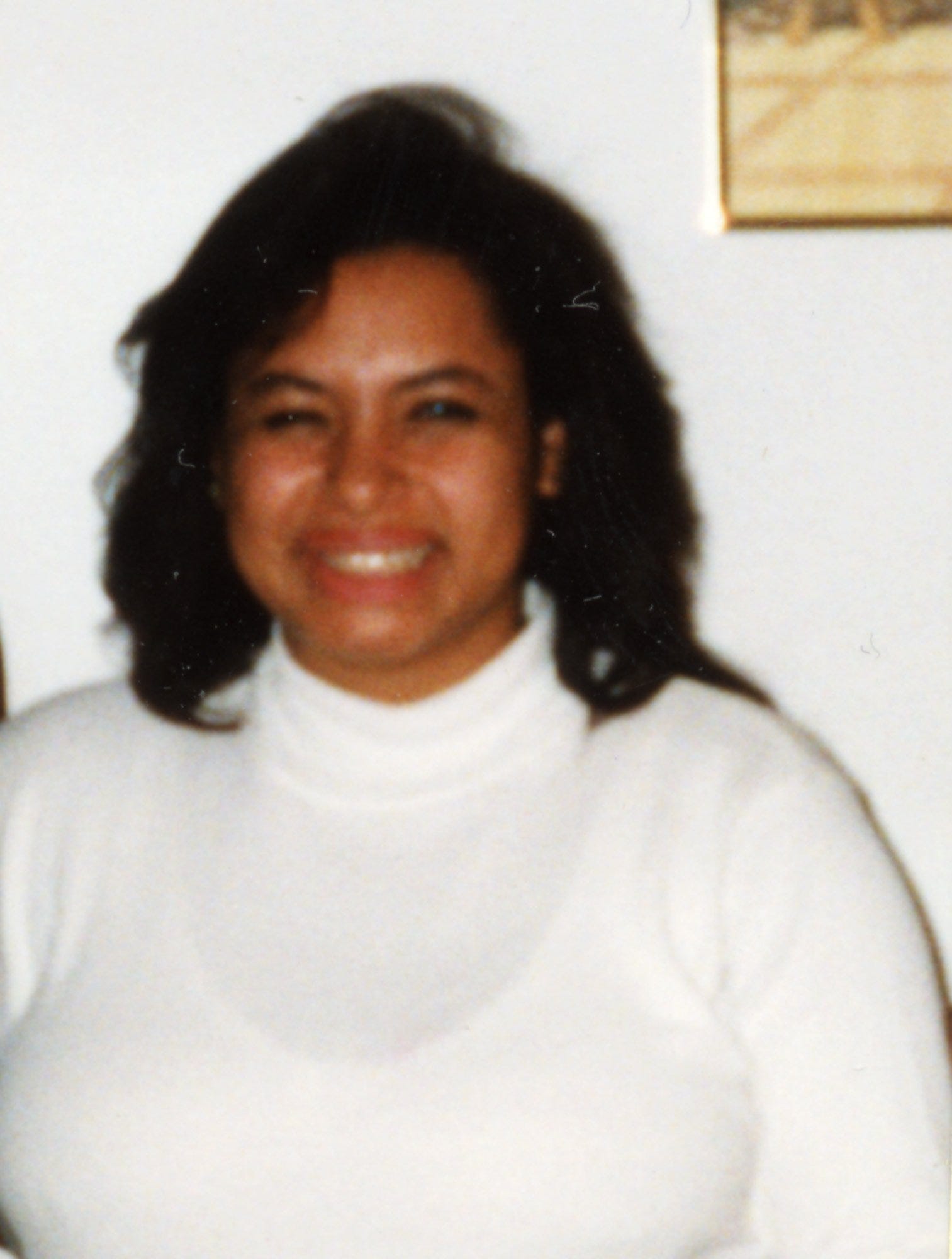
Meresa Hammonds, 31, was a Black female whose life ended violently after crossing paths with a predator who treated human beings like refuse. In the summer of 1992, Hammonds disappeared into the margins of a world where the vulnerable could be exploited—and, for years afterward, even her name slipped away, leaving only the aftermath of what had been done.
On June 27, 1992, what was left behind was found in Yonkers, New York: dismembered remains stuffed in black plastic bags, discarded down an alley behind a pizza restaurant on Midland Avenue. The scene was so deliberately brutal that it blocked the simplest answers—missing limbs meant investigators couldn’t rely on fingerprints, and the victim was reduced to a case file and a grim nickname: “Yonkers Jane Doe.” A butterfly tattoo became one of the few humanizing details investigators could share, a fragile marker meant to reach someone, somewhere, who might recognize it.
Detectives eventually tied the killing to Robert Shulman, a confessed Long Island serial killer whose pattern was built on control, drugs, and disposal. In accounts attributed to his confession, Shulman described bringing the victim back to his home, using crack, and then “blacking out,” later claiming he woke to find the victim dead. Whatever he said about losing time, the methodical violence that followed—dismemberment and dumping—spoke to an intent to erase identity and delay justice, turning a person into an unsolved problem left for strangers to carry.
For decades, that erasure held. Hammonds remained unidentified while investigators circulated sketches and details, hoping the right memory would surface. Breakthrough came years later through DNA work and genetic genealogy: investigators were able to connect the unknown victim to living relatives, finally restoring her name to the record in late 2021 and ending the long stretch of anonymity that had followed her death.
As for arrests and accountability, Shulman was the central suspect and the person prosecuted for the broader series of murders linked to this pattern. Court records and case reporting describe his arrest in April 1996, followed by convictions in Suffolk County for multiple killings, including a first-degree “serial murder” count, and later proceedings in Westchester County for the two Yonkers dumpster murders—one of which was the victim then known only as a Jane Doe. Reporting summarized in reference sources states he pleaded guilty in Westchester County in January 2000 and received a 25-years-to-life sentence there; he ultimately died in prison in 2006. No additional suspects are identified in the publicly reported resolution of Hammonds’ case beyond Shulman.