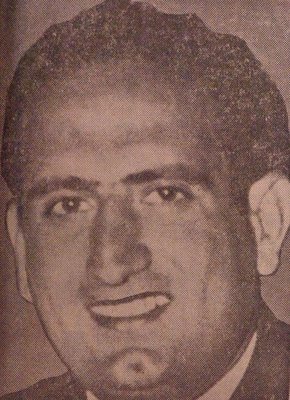
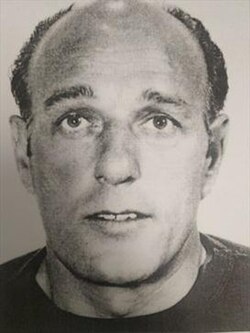
Asau “Johnny” Tran was a 38-year-old Vietnamese man whose life ended in a violent triple shooting in downtown Toronto during the early morning hours of August 16, 1991. At approximately 3:20 a.m., Toronto police were called to the area of Beverley Street and Dundas Street West after gunfire erupted outside the Pot of Gold restaurant. Officers found Tran suffering from gunshot wounds. He was rushed to a hospital but died shortly after arriving.
Toronto Police Service classified his death as Homicide #57/1991.
The attack was not confined to Tran. Shun-Keung Pun, also known in some accounts as Tony Pun, and Tin Wah Lui were found at the same location suffering from gunshot wounds. Both were also taken to hospitals and died shortly afterward, turning the shooting into a triple homicide. Historical homicide data places the scene at 393 Dundas Street West. Later accounts of the assassination described Tran as having been shot more than 30 times, with wounds concentrated in areas including his face and knees, suggesting that the attack was deliberate and particularly sustained rather than a random exchange of gunfire.
Tran had become a prominent figure in Toronto’s organized-crime world during the years preceding his death. Published accounts described him as the former leader of a large criminal organization that had been associated with protection rackets, extortion and other illegal enterprises. His history had already brought significant police attention: in 1986, Tran and 27 other alleged gang members were reportedly confronted with a combined 88 charges during an investigation by Toronto’s Asian Crime Squad. Those earlier criminal proceedings were separate from the investigation into his eventual murder, but they illustrated the dangerous environment surrounding him by the beginning of the 1990s.
The possibility that Tran himself believed he was in danger adds another layer to the circumstances surrounding the killing. Roughly a week before he died, he participated in a television interview in which he reportedly discussed the violent nature of organized crime and expressed doubt that someone in his position would survive to the age of 40. He indicated that one of the competing groups around him might eventually kill him. Days later, he was ambushed outside the Dundas Street restaurant.
The precise motive has never been established in court. Later accounts have offered more than one theory. One reported that investigators believed unpaid gambling or gaming debts may have played a role. Other historical summaries have characterized the triple killing as part of a broader struggle between rival gangs for territory and control of criminal activity in Toronto. The summer of 1991 had already been marked by a series of killings connected in contemporary and later reporting to violence around restaurants, gambling, drugs and extortion in the Chinatown area, placing Tran’s death within a particularly turbulent period of organized-crime violence.
Despite the apparent targeted nature of the attack and Tran’s own fears beforehand, no killer has been publicly identified. Toronto Police Service continues to list his homicide among its cold cases, along with the killings of Pun and Lui. The current public police record does not identify a suspect or report an arrest, charge, trial or conviction connected to the murders, and later summaries of the case likewise state that the killer has never been named. Decades after the gunfire outside the Pot of Gold restaurant, the triple homicide therefore remains officially unresolved.