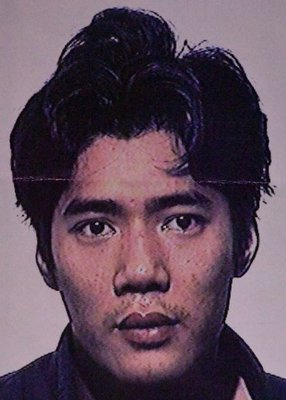
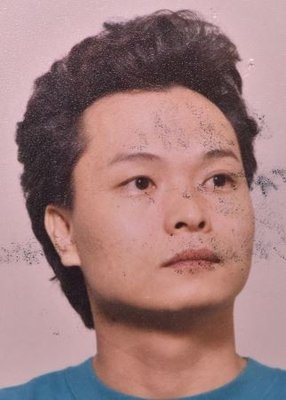
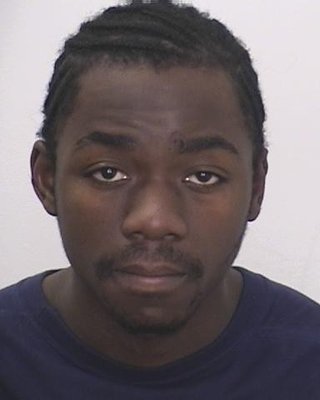
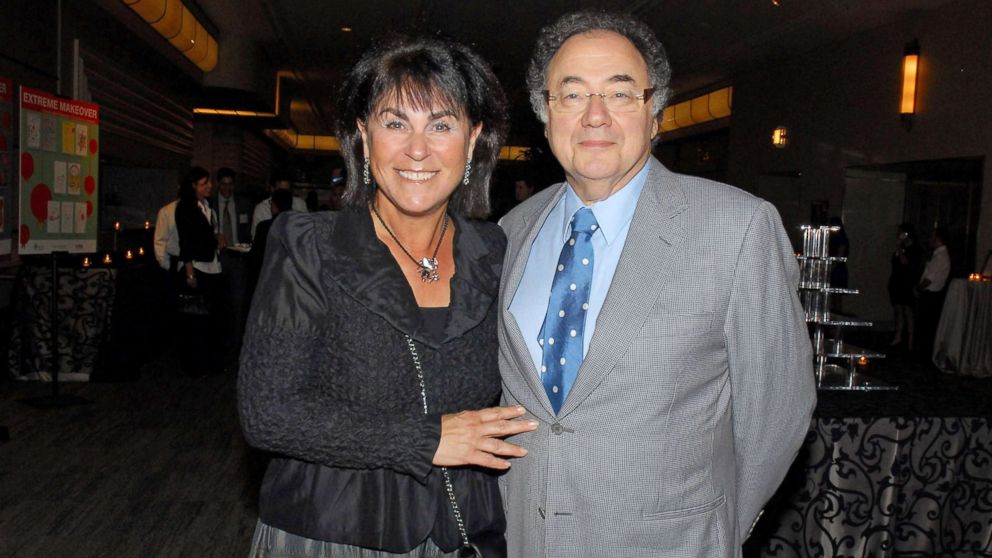
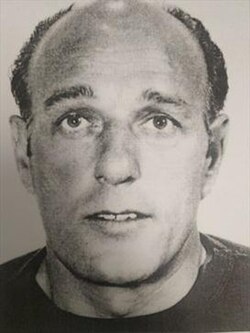
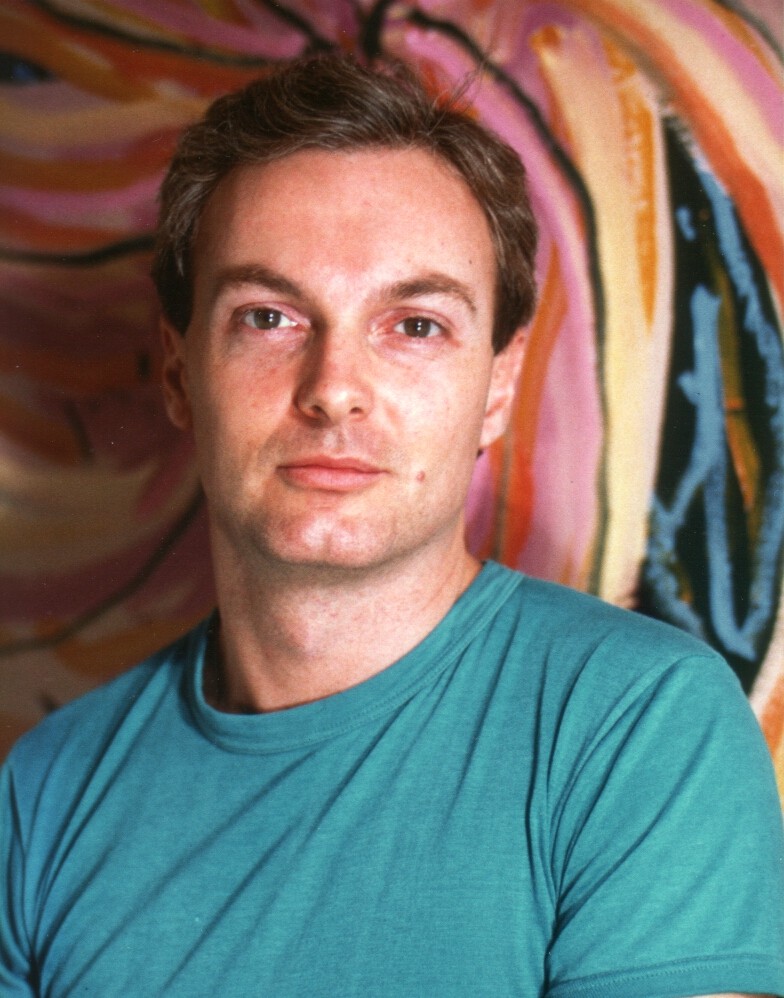
Gaetano “Guy” Panepinto, a 41-year-old White/Caucasian man, was fatally shot in Toronto on the evening of October 3, 2000. At approximately 7:55 p.m., he was driving a maroon Cadillac in the west end of the city and stopped near Bloor Street West and Laurel Avenue, just east of Highway 427. A minivan that had apparently been following him pulled alongside his car, and gunfire erupted from the passenger side.
Accounts of the killing indicate that approximately six shots were fired, with Panepinto struck in the chest, abdomen and shoulder. His wounded body remained inside the Cadillac as the vehicle rolled forward through the intersection and eventually came to a stop near 3991 Bloor Street West. Police and emergency personnel rushed him to a hospital, but he died shortly after arriving.
The shooting was immediately viewed by investigators as a deliberate organized-crime execution rather than a random attack. Panepinto was a businessman known publicly for operating Casket Royale, a discount coffin business, but he was also widely identified in organized-crime reporting as the Toronto representative or lieutenant of Montreal Mafia boss Vito Rizzuto. During the late 1990s, Panepinto had developed connections with organized-crime figures in Montreal, southern Ontario and several outlaw motorcycle clubs while becoming increasingly involved in disputes over criminal territory and illegal enterprises.
Investigative accounts have linked the motive for Panepinto’s killing to the March 2000 disappearances of Domenic “Mico” Napoli and Antonio Oppedisano, two men associated with Ontario’s Calabrian organized-crime circles. Napoli and Oppedisano had reportedly come into conflict with Panepinto over illegal gambling-machine territory. Later organized-crime accounts alleged that Panepinto was responsible for having the two men killed, although their bodies were never recovered and those allegations were never established against him in court. Their associates reportedly sought answers from the Montreal organization, and Panepinto subsequently lost the protection he had enjoyed through Vito Rizzuto.
Salvatore “Sam” Calautti, a Toronto-area figure associated with the ’Ndrangheta, eventually emerged as the principal suspected gunman in Panepinto’s murder. Calautti had been close to Napoli and was described in later reporting as having a personal as well as organized-crime motive for retaliation. Accounts of the assassination identify Calautti as the man believed to have opened fire from the van as it pulled beside Panepinto’s Cadillac. Police and organized-crime investigators continued to regard him as a suspect, but he was never charged with Panepinto’s murder. Calautti himself was shot and killed outside a banquet hall in Vaughan in July 2013, eliminating any possibility that he could later be prosecuted or tried in the Panepinto case.
Another name connected to the investigation was Vincenzo DeMaria. A 2009 police intelligence report reportedly described DeMaria as an accomplice in Panepinto’s killing and identified Calautti as the alleged shooter. DeMaria was later returned to custody for parole violations involving associations with organized-crime figures, but those proceedings were unrelated to a prosecution for Panepinto’s death. There is no indication that DeMaria was ever charged, tried or convicted for the October 2000 homicide.
Panepinto’s funeral was held at St. Clare Catholic Church in Toronto on October 10, 2000. The gathering demonstrated the breadth of his underworld connections, with prominent Montreal organized-crime figures and members of outlaw motorcycle clubs reported among those attending. Despite the attention surrounding the killing and the later identification of suspected participants, prosecutors never brought a murder case to trial. Toronto Police continue to list Panepinto as Homicide No. 46 of 2000 among the service’s cold cases, meaning no arrest or conviction has officially resolved his murder.