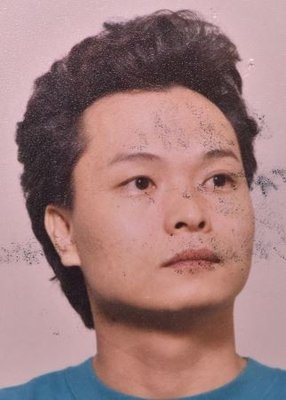
Suck Ju Ryu was a man who built a new life from a dream. He emigrated from South Korea to Canada in 1972, bringing with him a powerful work ethic and a hope for the future. Alongside his wife, he raised a family and, about a decade after arriving in his new country, opened a convenience store in the north end of Toronto. The store, located on the ground floor of a seniors' home at 11 Arleta Avenue in North York, became a fixture of the community. Mr. Ryu, a 56-year-old male, was known by residents and local customers as a soft-hearted and dedicated business owner. The linoleum tiles by his cash register were worn down from the countless hours he spent standing there, serving his customers over the years.
The afternoon of Thursday, February 18, 1993, began like any other. Mr. Ryu briefly closed his store to drive his wife home, a routine part of his day. Shortly after he returned, two male teenagers, believed to be around 15 and 17 years old, entered the store. They were armed and demanded cash. It is believed that Mr. Ryu refused to comply with their demands. In the ensuing confrontation, one of the teens shot the beloved shopkeeper in the chest. The two assailants then fled the scene, leaving Mr. Ryu mortally wounded. A few minutes later, a customer entered the store and made the tragic discovery, finding him lying on the floor. An immediate call was made to 911.
The initial investigation moved quickly. Witnesses reported seeing the two suspects board a westbound bus after the shooting. Toronto Police managed to intercept the vehicle, but by the time they did, the teenagers had already gotten off and vanished. Investigators canvassed the neighborhood, collected forensic evidence from the convenience store, and brought the bus in for a thorough examination. In 1993, however, DNA technology was still in its early stages, and with no security footage available from the store, police struggled to identify the killers. Despite their efforts, the case grew cold as solid leads failed to materialize.
For decades, the case remained unsolved, a painful and unanswered question for Mr. Ryu’s family and the community he had served. His daughter, Elizabeth, has spoken of the enduring pain of her father's absence. The sudden, violent nature of his death left a void that time has not filled. She has shared how moments of everyday life can trigger the memory of her loss, saying, “There are moments where I might see someone walking by who looks like my dad and my heart stops. And then I realize it’s not him.” The family has held onto hope that one day, those responsible would be brought to justice.
That hope for a breakthrough was renewed in 2021. Nearly 30 years after Suck Ju Ryu was killed, the Toronto Police Service announced it was reopening the cold case. Homicide investigators planned to re-examine evidence collected from the original crime scene, hoping that significant advancements in forensic technology could finally provide the answers they had been seeking for three decades. The goal was to develop a DNA profile from the preserved evidence, which could then be compared against national databases of known offenders.
As of early 2021, the investigation into the murder of Suck Ju Ryu is active once again. While no suspects have been publicly identified or charged, the application of modern forensic science offers a new possibility for closure. The Toronto Police Service continues to seek information that could help solve this decades-old homicide. They urge anyone with knowledge about the two individuals who entered the convenience store on that February afternoon in 1993 to come forward.