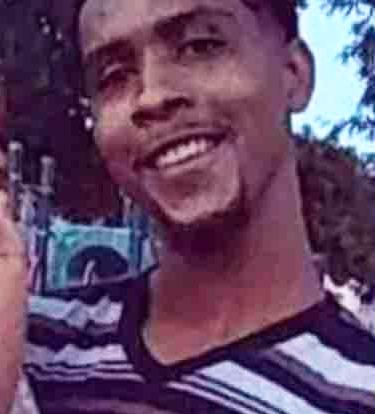
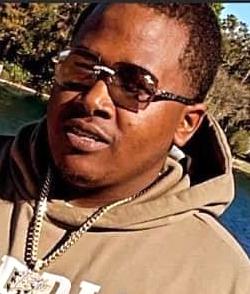
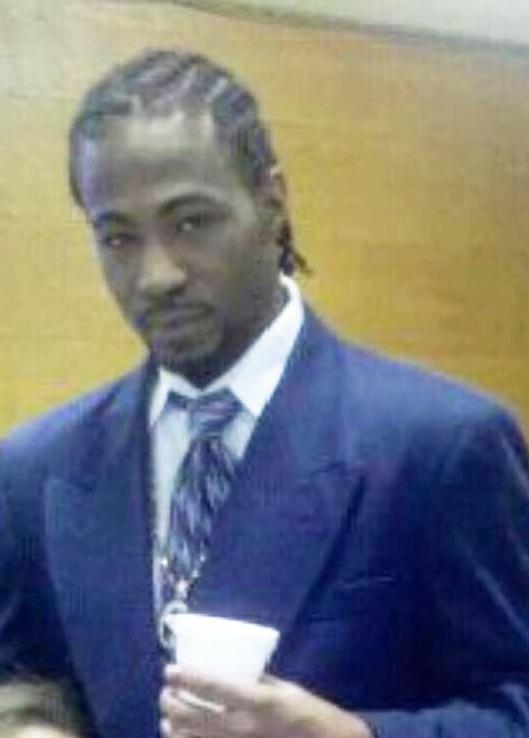
Dequaiseon D. Evans was a 21-year-old Black man from Milwaukee whose life ended in a double shooting inside a recording studio on Milwaukee’s north side on August 17, 2026. Evans, who performed in Milwaukee’s rap scene under the name Ym LilShiesty or Lil Sheisty, was at the studio with fellow rapper Quentene E. Williams, known professionally as Funny $Money.
Williams was described by relatives as a mentor to Evans, while Evans’ family remembered him as deeply devoted to his family and the father of three children.
Shortly before 3:40 p.m., violence erupted inside the studio, located in a commercial building in the 4900 block of North 31st Street near Cameron Avenue. Milwaukee police responding to the building discovered Evans and Williams suffering from gunshot wounds. Both were pronounced dead at the scene. According to the criminal complaint filed later in the case, Evans had been shot twice, while Williams had been struck four times. Investigators found the two victims near a couch and recovered eight. 40-caliber cartridge casings from the room.
Authorities soon identified Kelven Kayin Harris as the alleged shooter. According to prosecutors, Harris told investigators that Evans had invited him to the recording studio. Harris claimed an argument developed involving a family disagreement and that Evans suddenly took a handgun from Harris’ waistband. Harris said he repeatedly tried to retrieve the weapon but Evans refused to return it. The confrontation allegedly became physical, with Harris describing an exchange in which he and Evans headbutted one another. Harris told investigators that he then grabbed another firearm from a counter inside the studio and opened fire on Evans.
The shooting did not end with Evans. Harris told investigators that after shooting Evans, he saw Williams move toward a Draco-style firearm that was on the counter. Harris said he then fired at Williams as he attempted to leave the studio. Prosecutors have presented Harris’ account as his explanation for why he fired, including his assertion that he believed Evans might shoot him. Investigators, however, documented firearms that remained on or near the victims, and the criminal complaint noted evidence that raised questions about Harris’ description of the threat he said he faced.
After leaving the studio, Harris called 911 himself and acknowledged that he had shot people following the confrontation over the gun. Investigators said he subsequently admitted disposing of the firearm used in the shootings by throwing it into a river. Harris later directed authorities to the location, where police recovered a Glock. 40-caliber handgun. A firearms examination determined that the recovered weapon was consistent with having fired the eight. 40-caliber cartridge casings collected from the recording studio. That evidence became an important part of the prosecution’s case linking Harris to the gunfire that killed Evans and Williams.
Police arrested Harris in connection with the killings, and prosecutors filed a criminal complaint on August 21. He was charged with two counts of first-degree reckless homicide while using a dangerous weapon, one count relating to each death. Published reports indicated that the charges could expose Harris to as much as 130 years in prison if he were ultimately convicted on both counts and the applicable weapon enhancements. The accusations remain allegations unless proven in court.
Harris appeared in court on August 25, when a judge set his cash bail at $150,000. A preliminary hearing was scheduled for September 1, 2026. As of the latest reporting available in late August, the prosecution remained at an early stage; no trial had taken place and Harris had not been convicted in connection with the deaths.
The shooting left Evans’ family confronting not only his sudden death but another loss to gun violence. His twin sister, Jaquaisa Evans, described him as family-oriented and spoke publicly about trying to remain connected to him through his music and belongings. Relatives said they did not initially recognize the person police had arrested and did not understand what had happened inside the studio. What began as an afternoon spent making music with a mentor ultimately became a homicide investigation centered on a dispute over a firearm, with Harris’ own 911 call, statements to detectives, the recovered handgun and ballistic evidence forming the foundation of the criminal case against him.