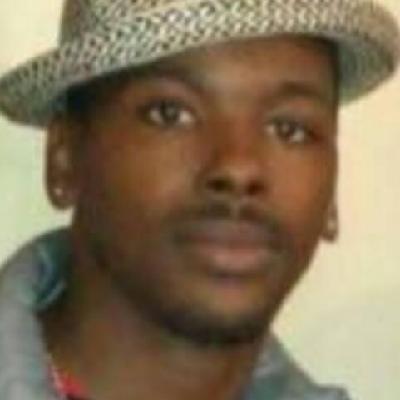
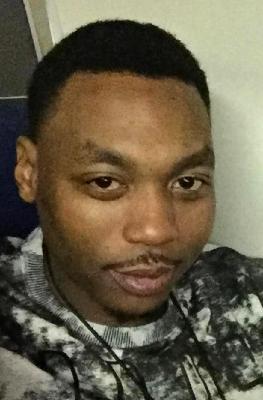
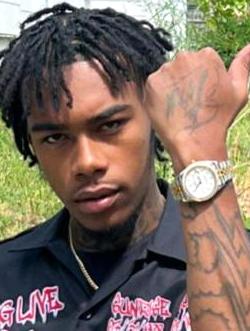
Leshon Christen Jr., a 33-year-old Black man from Milwaukee, was fatally shot on Sunday, October 12, 2025, near North Vel R. Phillips Avenue and West Clarke Street. The shooting occurred at about 4 p.m. in the area of Christen’s home. According to information attributed to the Milwaukee County Medical Examiner’s Office, Christen had been talking on his phone in the alley behind his residence when he was shot.
He suffered fatal gunshot injuries, and Milwaukee police opened a homicide investigation. In the first hours and days after the killing, investigators said they were searching for an unknown suspect and publicly released little information about what had led to the gunfire.
Christen was known to relatives and friends by the nicknames “ManMan” and “Big Teddy.” He had worked as a chef, including at Potawatomi Casino Hotel and Fiserv Forum. His family described him as someone who was deeply involved with his relatives, spent time caring for his nieces and nephews, enjoyed dancing and frequently cooked during family gatherings. His aunt, Takeria Adams, said the family traditionally gathered for meals on Sundays and that Christen was an important part of those occasions. Relatives told reporters that he was not known for being involved in trouble, leaving them struggling to understand why someone would want to kill him.
Three days after the shooting, relatives and friends gathered for a vigil near the place where Christen was killed. At that point, police had not announced a suspect or an arrest. His family appealed publicly for information and offered a $25,000 reward for information that would lead to an arrest. The investigation, however, soon began focusing on a vehicle and a man who would later be formally accused of Christen’s killing.
On October 18, six days after the homicide, police in Muskego located a white Mitsubishi Outlander that authorities said was wanted in connection with the Milwaukee homicide investigation. Officers encountered the vehicle at a Kwik Trip near Janesville Road. When police moved in, a woman who had been inside the vehicle got out, but the driver sped away. A pursuit followed along Janesville Road, with one officer reporting that his squad was traveling at least 85 mph in a 35-mph zone while the fleeing vehicle continued pulling away.
The pursuit ended after the Mitsubishi crashed into two other vehicles near Janesville Road and Martin Drive. Two women in the other vehicles were injured, one of them seriously. The driver fled the crash scene on foot, but witnesses directed police toward a nearby residential area. Officers subsequently located and arrested Jeremy Lockett outside a home. Investigators searched the Mitsubishi and reported finding two firearms inside, both with rounds chambered. Lockett, who had a prior felony record and was prohibited from possessing firearms, was initially jailed in connection with the Muskego pursuit and crash. Waukesha County prosecutors filed eight felony charges arising from that incident, including fleeing an officer, hit-and-run offenses, first-degree recklessly endangering safety and possession of a firearm by a felon. His cash bond in that case was set at $150,000.
Milwaukee police soon confirmed that Lockett was connected to their investigation into Christen’s killing. At first, authorities stopped short of publicly identifying him as the gunman and said the homicide investigation would be referred to the Milwaukee County District Attorney’s Office for review. That changed by the end of October, when Milwaukee County prosecutors charged Lockett with first-degree intentional homicide in Christen’s death.
According to allegations contained in court filings described by local news outlets, investigators concluded that Christen was outside his home and talking on his phone when he was confronted and shot. Prosecutors alleged that after Lockett was taken into custody, he admitted confronting Christen because he believed Christen had been “lying” about him. Authorities alleged that Lockett then left the shooting scene in a white Mitsubishi driven by his wife. The same general description of the vehicle later became significant when police located the Mitsubishi in Muskego and attempted to stop it.
Prosecutors also reported that Lockett was on community supervision at the time of the homicide and was wanted on a felony warrant for parole violations. Reporting on the case described him as a convicted felon who was legally prohibited from possessing firearms. The firearms recovered following the Muskego pursuit became part of the broader investigation, although publicly available reporting reviewed for the case did not establish that either weapon had been conclusively identified in court as the firearm used to kill Christen.
The homicide charge represented a major development from the uncertainty that surrounded Christen’s death during the first several days. His family had initially been left with an unidentified killer and no explanation for why he had been targeted. Prosecutors ultimately alleged that the shooting resulted from Lockett’s belief that Christen had been making false statements about him, providing a possible motive for the confrontation. Lockett is accused of intentionally killing Christen, but the allegations against him remain accusations unless and until proven in court.
The available publicly indexed reporting shows that Lockett was arrested, linked to the homicide investigation and formally charged with first-degree intentional homicide, in addition to the separate felony charges stemming from the Muskego pursuit and crash. The reporting located did not establish that the Christen homicide case had proceeded through a completed trial or resulted in a homicide conviction. Christen’s death therefore progressed from an initially unsolved shooting to a case in which prosecutors had identified and charged a specific defendant, with the ultimate determination of criminal responsibility left to the court process.