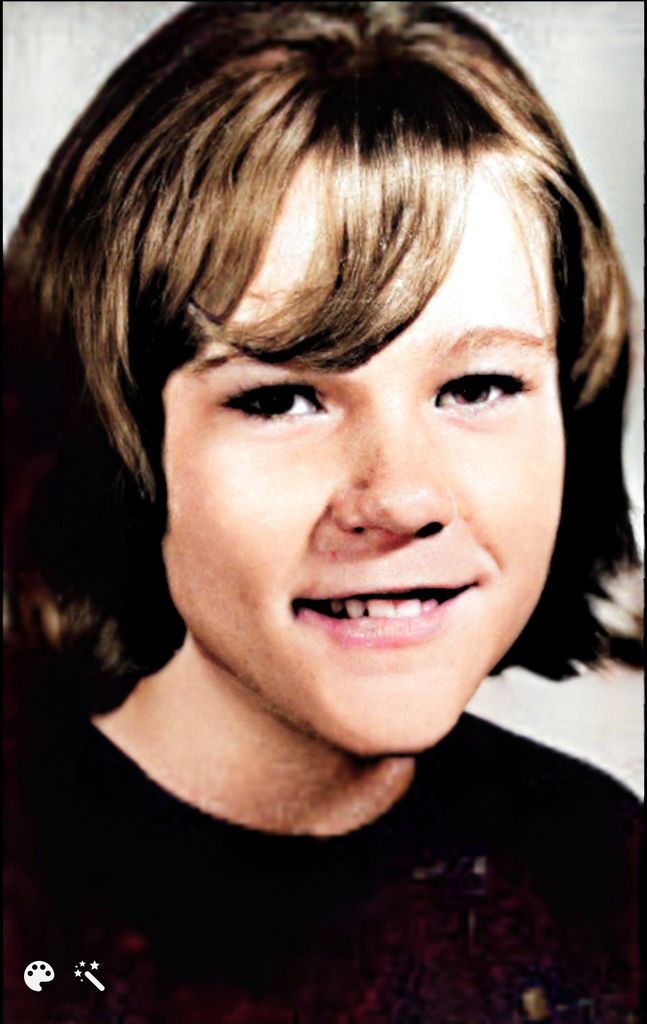
In the summer of 1969, a palpable fear gripped the communities of Ann Arbor and Ypsilanti, Michigan. A series of brutal murders of young women had left the area on edge. It was in this climate of anxiety that 18-year-old Karen Sue Beineman, a female freshman at Eastern Michigan University, made a fateful decision. On July 23, 1969, she walked from her campus to a downtown wig shop, reportedly to purchase a blonde wig in the hopes of protecting herself from a killer who seemed to be targeting
brunettes. After leaving the shop, she accepted a ride from a young man on a motorcycle. Witnesses, including the wig shop owner, later described the man. When Karen failed to return to her dormitory by curfew that evening, her roommate reported her missing. Three days later, her nude and brutally beaten body was discovered in a wooded gully. The extent of her injuries was so severe that she had to be identified using her fingerprints. Her death marked the final and perhaps most brazen act in a string of slayings attributed to a figure the press would dub the "Ypsilanti Ripper" and the "Michigan Murderer."
The investigation into Karen's murder quickly zeroed in on a suspect: John Norman Collins, a 22-year-old senior at Eastern Michigan University who was studying to become a teacher. A patrolman who heard the description of the man on the motorcycle recognized it as possibly being Collins, a former fraternity brother. Collins had even been previously interviewed by police in connection with the other murders but had been dismissed as a suspect. The critical breakthrough came from an unexpected source: Collins' own uncle, a Michigan State Police Sergeant named David Leik. Collins had been staying at his uncle's house while the Leik family was on vacation. Upon their return, they found the home disturbed. This information, coupled with witness accounts, led police to focus intensely on Collins. Investigators believed that Karen Sue Beineman had been taken to the basement of Sergeant Leik's home and killed there. A subsequent search of the basement and Collins' car uncovered physical evidence, including hair and blood that matched the victim's.
On July 31, 1969, just over a week after Karen was last seen alive, John Norman Collins was arrested and charged with her first-degree murder. His trial began in June 1970 and became the longest and most expensive in the history of Washtenaw County. The prosecution built a case based on the testimony of witnesses who saw Karen with Collins and the forensic evidence found in his uncle's home. His friend, Arnold Davis, also testified against him. Despite the community's shock that a clean-cut student could be capable of such violence, the jury was convinced. On August 19, 1970, Collins was found guilty of the murder of Karen Sue Beineman. He was sentenced to life in prison without the possibility of parole. Though he was the prime suspect in at least six other murders in Michigan and one in California that shared a similar brutal pattern, Collins was only ever tried and convicted for Karen's death. Prosecutors reportedly kept the other cases open as an "insurance policy" in case his conviction was ever overturned on appeal. Collins has maintained his innocence, but the verdict brought an end to the reign of terror that had haunted southeastern Michigan, closing the final chapter in the tragic case of Karen Sue Beineman.