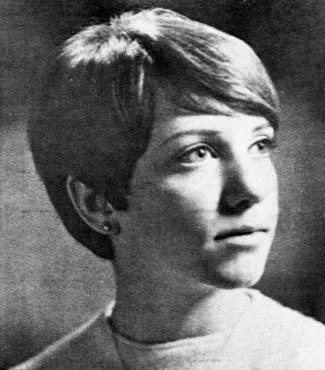
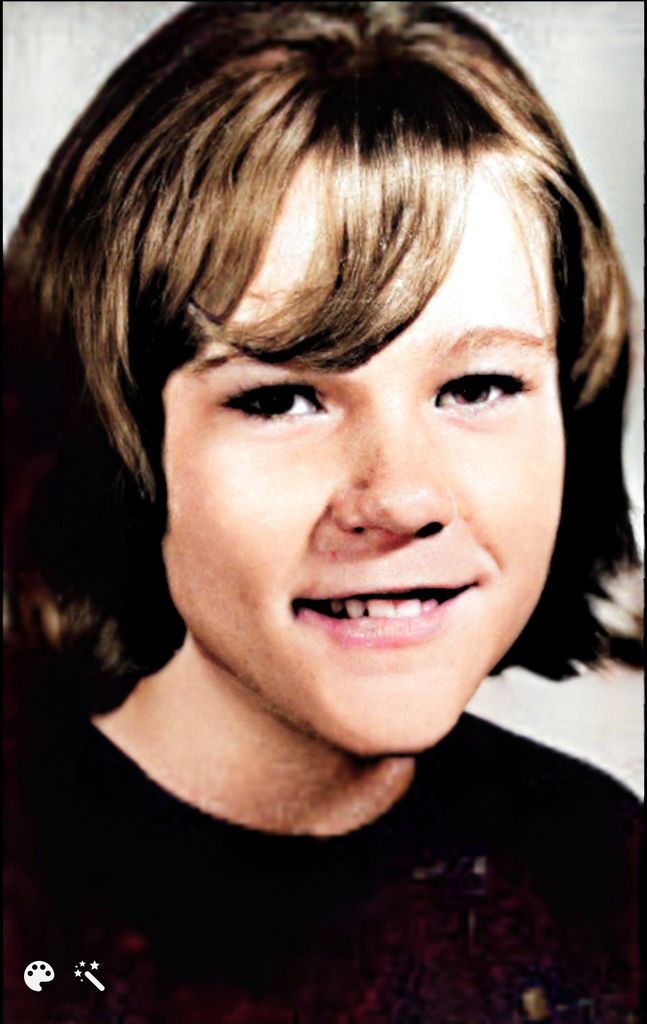
In the pre-dawn hours of July 13, 1980, the quiet of an Ann Arbor, Michigan morning was shattered by a brutal act of violence that claimed the life of 26-year-old Glenda Richmond. A female, Richmond, had just finished her shift as the night manager at the Brown Jug Restaurant and returned to her townhouse on Braeburn Circle. Her life, full of promise and plans for an upcoming marriage, was cut tragically short.
It was a neighbor who made the grim discovery, finding her body lying in the grass merely ten feet from the sanctuary of her own front door. She had been stabbed to death.
The initial investigation by the Ann Arbor Police Department found no immediate motive for the slaying. Richmond was fully clothed, and her purse was found nearby, ruling out robbery as a likely reason for the attack. There were also no signs of sexual assault. The sheer brutality of the crime, with multiple stab wounds to her chest, left investigators with a disturbing and seemingly random act of violence. This senseless murder was not an isolated incident, but rather the second in a terrifying series of similar killings that would grip the city in fear. Just a few months prior, in April, another young woman, Shirley Small, had been killed under chillingly similar circumstances.
As the investigation deepened, a pattern began to emerge, suggesting a single, elusive predator was stalking the women of Ann Arbor. A third murder in September of that same year, that of Rebecca Huff, solidified the police's belief that they were hunting a serial killer. All three female victims were stabbed multiple times in the chest and left for dead outside their homes in the early morning hours. The break in the case came from a crucial tip from a Detroit police officer who suggested that a man named Coral Eugene Watts could be their suspect. Watts had a history of violence against women and was a person of interest in other unsolved cases.
In November 1980, Ann Arbor police, acting on the tip, arrested Watts while he was actively stalking another woman. However, a lack of direct evidence forced his release, though he remained under intense surveillance. The pressure of the investigation seemingly prompted Watts to relocate to Texas, where his violent tendencies continued. He was later arrested there for breaking and entering with the intent to commit murder after attempting to drown a woman in her bathtub. Faced with a mountain of evidence in the Texas case, Watts struck a plea deal. In exchange for a lengthy prison sentence, he confessed to numerous murders in Texas and provided details about unsolved cases in Michigan, including the Ann Arbor slayings. His confessions included information that only the killer would know. Despite his detailed admissions to law enforcement, Coral Eugene Watts was never formally charged with the murder of Glenda Richmond due to a lack of physical evidence at the time of the crime. He died in prison while serving life sentences for other murders, leaving behind a legacy of pain and unanswered questions for the families of his many suspected victims.