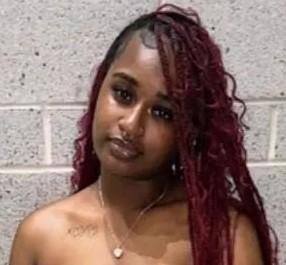
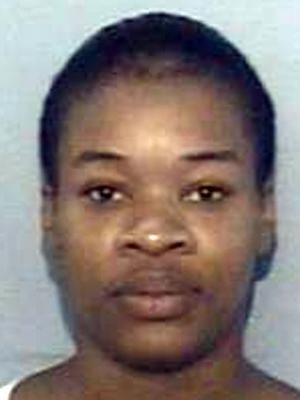
Roberta Williams was a 40-year-old Black woman from Rocky Mount, North Carolina, and a mother of three whose disappearance became part of a troubling series of deaths involving women from the Rocky Mount area. Authorities said Williams was last seen by a family member in Rocky Mount during the spring of 2008, and her skeletal remains were not discovered until March 27, 2010.
Williams had apparently vanished from the lives of relatives and friends for a considerable period before she was found. Law-enforcement officials said she had not been officially reported missing, although members of her family maintained that efforts had been made to alert authorities about her disappearance. Her mother, Rosa Thigpen, later spoke publicly about trying to locate her daughter. The disagreement over whether a missing-person report had actually been filed became one of the painful issues surrounding the investigation.
The discovery came in a rural section of Edgecombe County that had already become associated with a string of disturbing cases. People riding four-wheelers found Williams's remains approximately 20 yards inside a wooded area off Seven Bridges Road, between Battleboro and Whitakers. The location was significant because several other women connected to Rocky Mount had been found dead in the same general corridor. Investigators recovered her remains after she had apparently been missing for roughly two years.
By that point, investigators were confronting what they feared was something larger than a collection of unrelated deaths. Rocky Mount Police Chief John Manley publicly said that authorities appeared to be dealing with a suspected serial killer. Williams shared circumstances with several of the other victims whose bodies had been found in rural Edgecombe County. She had a prior prostitution conviction, and investigators said many of the women in the broader investigation had histories involving drugs or prostitution, circumstances authorities believed may have made them particularly vulnerable.
Determining exactly what happened to Williams proved difficult. By the time her remains were recovered, they were skeletal, leaving medical examiners without enough evidence to establish how she had died. An autopsy report released later in 2010 stated that her cause of death could not be determined. Consequently, the public record does not establish a precise date of death or a specific method by which she was killed. Her disappearance sometime after she was last seen in 2008 and the recovery of her remains in 2010 leave a lengthy period in which her final movements remain unknown.
The principal person scrutinized in connection with the larger series was Antwan Maurice Pittman, a Rocky Mount man already under investigation for another killing. Shortly after Williams's remains were identified, Manley described Pittman as a "very, very strong person of interest" in her death. Pittman had lived and spent considerable time in areas near locations where several victims were discovered, and investigators were examining whether he could be responsible for multiple deaths. Search warrants and other investigative records connected him to several cases, although the strength and nature of the evidence varied from victim to victim.
Pittman's arrest, however, was not for Williams's death. Authorities arrested and charged him with first-degree murder in the killing of Taraha Shenice Nicholson, another Rocky Mount woman whose body had been found in a wooded area in March 2009. DNA evidence recovered from Nicholson's body matched Pittman, giving prosecutors physical evidence that was not publicly reported in Williams's case. Investigators nevertheless continued examining Pittman's possible connection to Williams and other women whose remains had been found in the region.
Pittman eventually went to trial for Nicholson's murder. In September 2011, after a trial in which he admitted having sexual contact with Nicholson but denied killing her, a jury found him guilty of first-degree murder. He was sentenced to life imprisonment without the possibility of parole. His conviction was subsequently reviewed by the North Carolina Court of Appeals, which found no error requiring a new trial.
That conviction did not legally resolve Williams's case. Pittman was never prosecuted or convicted for her death, and the available public record does not establish that prosecutors ever charged anyone with killing her. The lack of a determinable cause of death and the long interval between her disappearance and the recovery of her remains left investigators with far less forensic evidence than was available in Nicholson's murder. Williams's case remained part of the broader investigation conducted by the Edgecombe County Sheriff's Office, Rocky Mount Police Department, North Carolina State Bureau of Investigation and FBI into whether the deaths and disappearances of numerous women from the Rocky Mount area were connected.
For Williams's family, the discovery ended the uncertainty over where she was but did not answer the central question of who was responsible for her death. Family and friends gathered in April 2010 at Morgan Funeral Home in Rocky Mount to remember her. Although Pittman's conviction brought a measure of justice in Nicholson's case and authorities considered him a significant figure in the wider investigation, no arrest, trial or conviction has publicly established who caused Williams's death. Her case therefore remains one of the unresolved deaths associated with the Seven Bridges Road investigation.