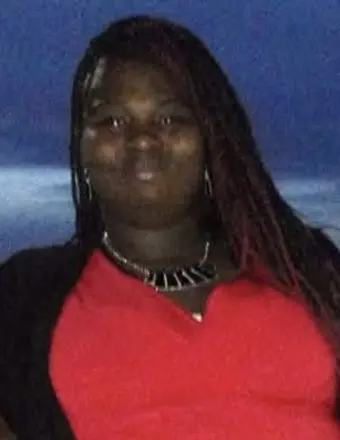
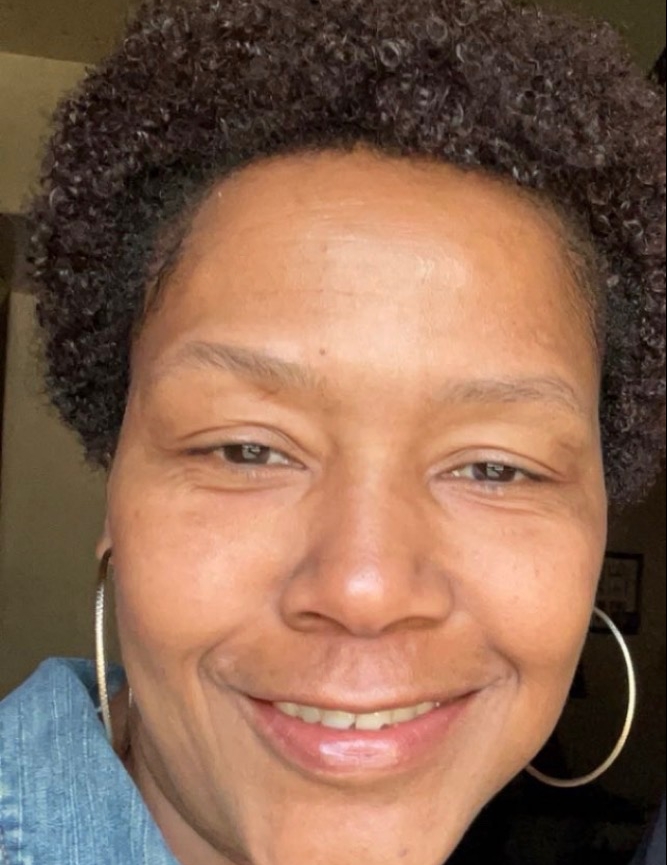
Shania W. Thompson, a 25-year-old woman from East St. Louis, Illinois, was killed during a series of shootings that authorities described as a targeted attack on members of the same family. Thompson died on July 12, 2026. Investigators said she was found in the back of a vehicle in an alley near North 39th Street and Summit Avenue in East St. Louis and was pronounced dead that afternoon. Her death was part of a much larger burst of violence spread across several locations in the city. The other people killed were Cherie L. May, Devin D. May, Patricia A. May and Quentin L. Thompson. Two additional relatives, Tiffany Thompson and Santosha Scott, were shot at Jones Park and survived with serious injuries.
The investigation quickly revealed that the deaths had not all occurred at the same place or necessarily at the same time. Cherie May was believed to have been shot several days before the main outbreak of violence, while prosecutors alleged that the other shootings occurred over July 11 and July 12. Bodies and victims were connected to the Samuel Gompers Homes public housing complex, the area of 39th Street and Summit Avenue, and Jones Park. Authorities found Shania at the 39th Street location, while Quentin Thompson was found dead at Jones Park. Investigators treated the separate scenes as one targeted mass shooting because the victims were relatives and the attacks appeared connected.
The suspects were two teenagers who were in a romantic relationship. One was Ja'ymier Davis of East St. Louis, and the other was a juvenile girl whose identity was withheld in official proceedings because her case began in juvenile court. The girl was related to all of the victims, and relatives identified Shania and Quentin as members of her immediate family. Family members later told reporters that there had been repeated conflict over the relationship between the two teens, with relatives trying to keep them apart. They also described prior instances in which the girl had run away. Her father and other relatives said the teens had discussed killing family members in online messages, while prosecutors later presented Instagram communications that they said showed planning before the killings. Authorities themselves initially did not announce an official motive, so accounts that the violence was driven by the relationship and disputes within the family came largely from relatives and evidence described during court proceedings.
Investigators said the shootings were carried out with a stolen 9mm handgun. Reporting based on charging documents and family accounts indicated that the firearm had been taken after the juvenile suspect obtained access to a gun belonging to her mother. Prosecutors alleged that Davis and the girl moved through the East St. Louis area as the attacks unfolded. In addition to the killings, the case included allegations that a vehicle belonging to one of the surviving relatives was taken and that Patricia May's body was mutilated after her death, with prosecutors accusing Davis of severing her right thumb. Those allegations later became the basis for charges extending well beyond the homicide counts.
The search for the suspects ended the same day Shania was found. Illinois State Police located the teenagers in a vehicle at Frank Holten State Park in East St. Louis. Officers used a Precision Immobilization Technique, commonly called a PIT maneuver, to stop the vehicle, and both suspects were taken into custody. State police said the arrests came after investigators connected the multiple shooting scenes and determined that the same family had been deliberately targeted. Officials said there was no continuing known threat to the general public once the suspects were detained.
Prosecutors subsequently charged Davis as an adult. He faced five counts of first-degree murder, two counts of attempted first-degree murder, two counts of aggravated battery, one count of aggravated vehicular hijacking, one count of dismembering a human body and one count involving the unlawful use of a stolen firearm. He was ordered held in custody, and a public defender was appointed to represent him. The murder charges included Shania's death along with those of the four other relatives. The additional attempted-murder and battery charges were connected to the relatives who survived the shootings.
The second suspect's legal path was different because her case began as a juvenile delinquency matter. Prosecutors filed a petition that included first-degree murder allegations and announced that they intended to seek transfer of her case into adult criminal court. Because the juvenile proceedings were not public in the same way as Davis's case, fewer details about the allegations against her were released officially. Prosecutors nevertheless characterized the two teenagers as co-defendants in the connected attacks, while relatives alleged that the juvenile suspect participated in a plan to kill members of her own family. The publicly available reporting reviewed for the case did not show that either suspect had been convicted; Davis's prosecution remained a pending criminal case, while prosecutors were pursuing the effort to move the second suspect into adult court.
Beyond the criminal case, relatives described Shania as someone with a talent for cooking who dreamed of eventually opening her own restaurant. Her death, along with those of four relatives in the same connected series of attacks, left the family preparing multiple funerals while two other relatives recovered from their wounds. Community members gathered to remember the victims as investigators and prosecutors continued building the case against the two teenagers accused of turning a family dispute into one of the deadliest episodes of violence East St. Louis had experienced in years.