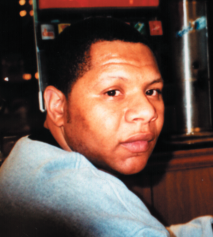
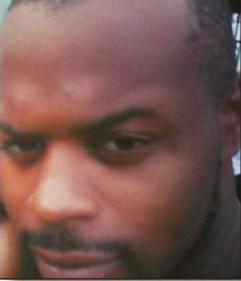
Mouhamed Diop, a 33-year-old Black male, spent the evening of Wednesday, November 11, 2009, on the 1200 block of 44th Street NE in Washington, D.C., alongside 37-year-old Babacar Mbaye Ndiaye. It was a weeknight in late autumn, the kind of evening when the streets begin to quiet after work, and the neighborhood slipped into its routine rhythms. That quiet was shattered at about 8:47 p.m., when gunfire erupted on the block, turning an ordinary night into a scene of chaos and fear as two men collapsed, mortally wounded, on the street.
Residents and passersby watched emergency crews race in as police cordoned off the area and tried to piece together what had happened. Both Mouhamed and Babacar had been shot, the attack sudden and devastating. Babacar was rushed to Washington Hospital Center’s MedStar Unit, where doctors could do nothing more than pronounce him dead shortly after his arrival.
Mouhamed, gravely injured but still alive, was transported across the border into Maryland to Prince George’s County Hospital, his fate hanging on the efforts of trauma teams working through the night to save him.
In the early hours of the following morning, at around 4 a.m. on November 12, 2009, Mouhamed’s fight for life ended. What had begun as an ordinary Wednesday became the moment that marked the end of his thirty-three years, his death officially recorded the day after the shooting. The Metropolitan Police Department classified the case as a double homicide, and the two men’s names were joined forever in official records as victims of the same burst of violence on that Northeast block.
Detectives from the Homicide Branch took over the investigation, appealing to the community for help and emphasizing that even small fragments of information might be crucial. A reward poster bearing the faces of both men was distributed, offering up to tens of thousands of dollars for information leading to the arrest and conviction of whoever was responsible. The flyer and accompanying notices stressed that the department was actively seeking the public’s assistance and encouraged anonymous tips through dedicated phone lines and text services, a sign that investigators lacked a clear suspect and were relying on witnesses to come forward.
Years passed, and the case remained on the city’s official roster of major unsolved homicides, listed by name, date, and location among other victims whose killings had never led to an arrest. Mouhamed Diop’s entry notes the 1200 block of 44th Street NE and the shared tragedy with Babacar Mbaye Ndiaye, a brief line that stands in for the unanswered questions left behind. As of the most recent public information, police have not announced any arrests or publicly identified any suspects in the double shooting, leaving the deaths of Mouhamed and Babacar as open wounds in the record of Washington, D.C.’s unsolved homicides and in the memories of those who knew them.