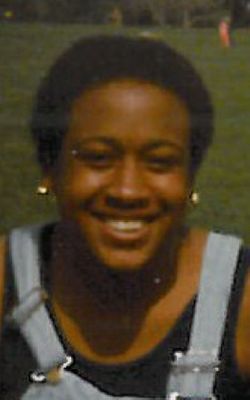
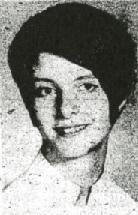
In the autumn of 1979, the city of Denver was gripped by a chilling series of events that would leave a lasting scar on the community. Among the victims of this dark period was Peggy Cuff, a 20-year-old woman whose life was tragically cut short. In November of that year, her body was discovered, discarded in an alley, leaving her family and friends devastated and a city on edge. The cause of death was determined to be strangulation, a brutal end to a young life full of promise. For years, her case remained a painful mystery, one of several unsolved homicides of young women in the Denver area at the time, leaving a void in the hearts of those who knew her and a lingering question for investigators.
The initial investigation into Peggy Cuff's murder yielded few leads, and as time passed, the case grew cold. The years stretched into decades, and while the world moved on, the memory of Peggy and the injustice of her unsolved murder remained. The breakthrough in her case, and others like it, would not come from a traditional police procedural but from the advancement of forensic science. Long after the crimes were committed, advancements in DNA technology allowed investigators to revisit cold cases with new hope. Evidence collected from the scenes of several unsolved murders, including that of Peggy Cuff, was re-examined, leading to a startling and grim discovery that would finally bring a name to the shadow that had haunted Denver for so long.
The man responsible for Peggy Cuff's death was identified as Vincent Groves, a serial killer who had terrorized the Denver area. Groves, a former high school basketball standout, was already incarcerated for other murders when he was linked to Peggy's case. DNA evidence definitively connected him to her death, as well as the strangulations of Emma Jenefor and Joyce Ramey, who were also killed in 1979. By the time he was identified as Peggy's killer, Groves had already died in prison in 1996 while serving a life sentence for the murders of two other women. Because he was deceased, he could not be tried for Peggy Cuff's murder. The identification of Groves as the killer provided a long-awaited, albeit somber, resolution for the families of his victims, confirming that a single, ruthless individual was responsible for a string of violent deaths that had long remained a dark chapter in Denver's history.