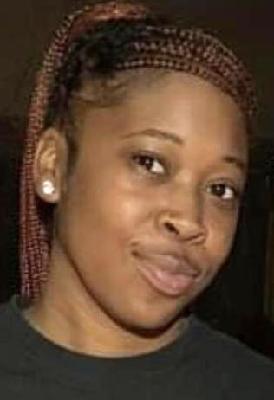
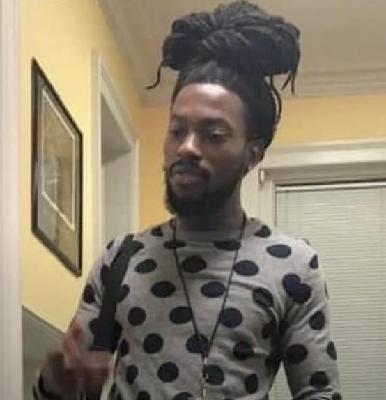
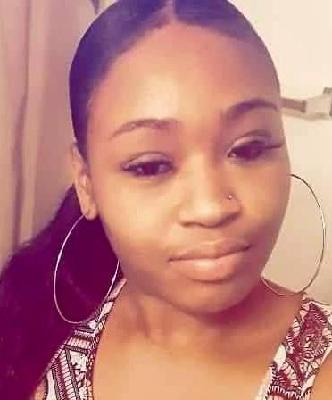
Debbie Griffin, a 20-year-old woman, disappeared on November 2, 1974, while hitchhiking near Macon, Georgia, with 23-year-old Edward Hilliard. Their journey placed them in the path of Paul John Knowles, an escaped prisoner who was then moving through the southeastern United States during a violent, months-long crime spree. Although the surviving public accounts provide few details about Griffin's life or the pair's intended destination, investigators came to believe that Knowles encountered
them while they were traveling and took control of their movements.
Hilliard's body was discovered in a wooded area near Macon not long after the pair vanished. Griffin remained missing for months, leaving her family without a confirmed explanation of where she had been taken or what had happened after she and Hilliard were last seen. On August 29, 1975, human remains identified as Griffin's were found in Crawford County, southwest of Macon. The separate locations in which the two victims were recovered suggested that their killer had transported or abandoned them in different places after their disappearance.
Authorities strongly suspected Knowles in both deaths. By November 1974, he had been linked to a series of abductions, sexual assaults, robberies and killings committed across several states. His victims included motorists, hitchhikers, families encountered inside their homes and people who offered him transportation or hospitality. Griffin and Hilliard disappeared during the period when Knowles was known to be traveling through Georgia, and the circumstances surrounding their disappearance closely resembled other crimes attributed to him.
Knowles was captured on November 17, 1974, after a pursuit in Henry County, Georgia. Before that arrest, he had kidnapped Florida Highway Patrol Trooper Charles Eugene Campbell and motorist James Meyer, driven them into Georgia and shot them to death in a wooded area. A local hunter encountered Knowles after he fled from law enforcement and held him at gunpoint until deputies arrived. Authorities subsequently charged Knowles with several murders in Georgia and other states, while continuing to investigate additional deaths believed to be connected to him.
Investigators also learned that Knowles had recorded a series of confessions and mailed the tapes to a Florida attorney. He reportedly claimed responsibility for dozens of killings, although law enforcement could substantiate only a smaller number. The recordings were reviewed during federal grand jury proceedings but were never released publicly. The tapes and their transcripts were later reported to have been destroyed after being damaged in a flood, limiting the ability of later investigators to determine precisely what Knowles said about individual victims.
Knowles never stood trial for Griffin's death. On December 18, 1974, approximately one month after his capture, officers transported him through Georgia so he could allegedly direct them to evidence connected with another murder. According to authorities, he freed one hand from his restraints and reached for a sheriff's handgun. A Georgia Bureau of Investigation agent shot him three times, killing him before the cases against him could be resolved in court.
No separate suspect is known to have been arrested or prosecuted for the deaths of Debbie Griffin and Edward Hilliard. The timing, location and circumstances led investigators and later accounts of Knowles's crimes to identify him as the principal suspect, but his death prevented prosecutors from presenting the evidence to a jury. Griffin's case consequently became one of the many killings attributed to Knowles through investigative findings and circumstantial connections rather than through a completed trial and conviction.