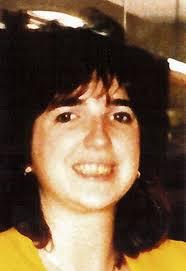
In the quiet community of New Whiteland, Indiana, a suburb of Indianapolis, the morning of January 20, 1974, brought a horrific discovery that would shatter the neighborhood's sense of peace. Firefighters and police were called to a house on Princeton Drive, where a fire had ravaged the home of a young family. Inside, authorities found the bodies of 23-year-old Elizabeth Ann Patrick, her husband William, who was 25, and their infant daughter, Jenny Lynn. The scene was grim, with evidence of a violent struggle before the fire was intentionally set. An investigation quickly determined that the young parents had died from asphyxiation before the fire was started, while their baby succumbed to smoke inhalation. The loss of this young family sent shockwaves through the community, leaving friends and neighbors to mourn their tragic and untimely deaths.
The investigation into the triple homicide soon focused on a man named David James Roberts. The motive appeared to be rooted in an act of retaliation. William Patrick, a salesman at a Sears Auto Center in Indianapolis, had recently identified Roberts as the man who had work done on his car and left without paying the bill. Just days before the murders, on January 15, 1974, William Patrick had given a deposition in the theft case, implicating Roberts. In the hours leading up to the fire, witnesses reported seeing a car matching the description of Roberts' vehicle in the vicinity of the Patrick home. Further evidence linked Roberts to the scene when a gasoline can, identified as one he had filled at a gas station earlier that evening, was found inside the charred remains of the house. This mounting evidence led to the arrest of David James Roberts on January 26, 1974.
David James Roberts was subsequently charged with two counts of first-degree murder, two counts of murder in the perpetration of burglary, one count of murder in the perpetration of arson, and one count of arson. During his trial, the prosecution presented the evidence gathered by investigators, painting a picture of a calculated and brutal crime. The jury found Roberts guilty of the murders and arson. He was sentenced to five terms of life imprisonment and an additional 5 to 20 years for the arson conviction. Following an appeal, the court vacated the arson sentence and two of the life sentences for the murders of William and Elizabeth Ann Patrick, leaving in place three life sentences for the killings of the three family members. The case of the Patrick family's murder stands as a chilling example of a violent crime committed in retaliation for a citizen's willingness to cooperate with the justice system, a case that was brought to a close with the conviction and lengthy imprisonment of the perpetrator.