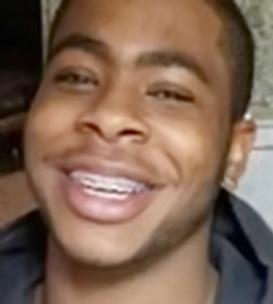
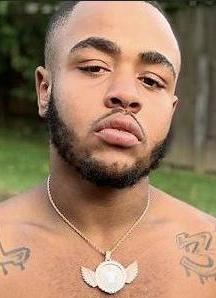
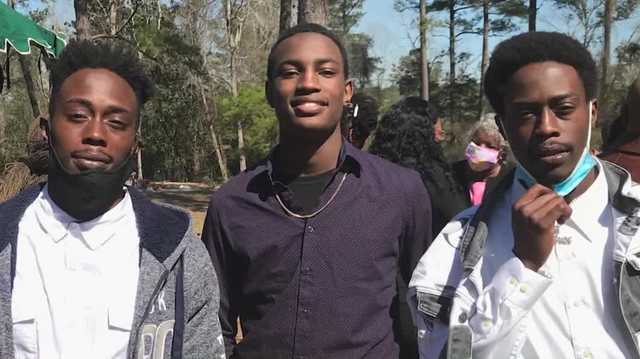
Martin Nitzken Jr., a 27-year-old man from Louisville, Kentucky, died on May 30, 2026, after he was shot by Louisville Metro Police Officer Nathan A. Stotts near the Klondike and Buechel neighborhoods. The shooting happened just before 9:30 p.m. in the 3000 block of Cromarty Way, after police received multiple 911 calls about an alleged assault. Dispatchers were told that several people had been hurt and that a person with no clothes on was running or moving through the street.
By the
time officers arrived, the situation had already been described as chaotic and alarming. Police later said callers reported that Nitzken had assaulted at least three people. One account said he had ripped out a chunk of a woman's hair, and another said a man's shoulder had been dislocated. But other details from that night also pointed to a crisis unfolding in public view. Nitzken's girlfriend reportedly told a 911 dispatcher that he was bipolar and had not shown signs of violence before that night, while a neighbor described him as appearing to be in the middle of a mental break.
Officer Nathan Stotts found Nitzken naked in the street. Body camera footage released by Louisville police showed Stotts walking toward him with his gun drawn while Nitzken was sitting or lying in the roadway. Police officials said Stotts repeatedly ordered Nitzken to show his hands and then ordered him to stop when he stood up and began moving toward the officer. Nitzken continued forward, described by Louisville's police chief as naked, stumbling, and unarmed. Stotts fired one shot. Nitzken dropped to the ground and was later pronounced dead at the scene.
The aftermath of the shooting drew immediate scrutiny because Nitzken was unarmed and because the released footage showed Stotts did not render aid for several minutes after the shot was fired. Louisville Police Chief Paul Humphrey publicly criticized the officer's actions after reviewing the footage, 911 calls, dispatch information, and preliminary investigative material. Humphrey said the shooting did not meet the department's standards, training, or values, and he began the process to terminate Stotts from the Louisville Metro Police Department. Stotts resigned days later, which city officials said effectively sped up the end of his employment. He had joined LMPD in February 2024 and was assigned to the Sixth Division, with no prior disciplinary history reported by the department.
The criminal case moved forward in mid-June 2026, when a Jefferson County grand jury indicted former Officer Nathan A. Stotts in connection with Nitzken's death. Stotts was charged with second-degree manslaughter and reckless homicide. Prosecutors had also presented a murder charge, but the grand jury declined to indict him on that count. The second-degree manslaughter charge carries a potential sentence of five to 10 years in prison, while reckless homicide carries a potential sentence of one to five years.
Stotts was scheduled to be arraigned in Jefferson County Circuit Court on June 22, 2026. Louisville police said after the indictment that they respected the judicial process and remained committed to transparency and cooperation with reviewing agencies, while also saying the matter was still the focus of criminal and internal investigations. The investigative findings were also expected to be provided to the Kentucky Law Enforcement Council, which could determine whether Stotts' law enforcement certification should be revoked.
Nitzken's family, through attorney Steve Romines, welcomed the fact that criminal charges were filed but expressed disappointment that the grand jury did not return a murder indictment. Romines argued that the body camera video showed conduct he believed reflected extreme indifference to human life, particularly because of what happened after Nitzken was shot. For Nitzken's family and others watching the case, the central questions became why deadly force was used against an unarmed person in visible distress, why nonlethal options were not used, and whether the criminal case against Stotts would bring accountability for the final moments of Martin Nitzken Jr.'s life.