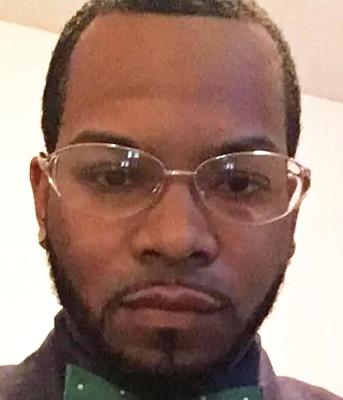
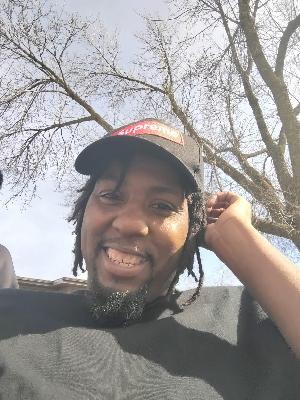
Tremayne Trell Montgomery was a 40-year-old Black / African American man whose life ended late on April 4, 2026, after a confrontation at Fremos, a Milwaukee bar on West Fond du Lac Avenue. Known to relatives and friends as “Trell,” Montgomery had gone out during Easter weekend when an encounter inside the tavern escalated into violence. Milwaukee police were called to the area shortly before midnight, at about 11:50 p.m., and found Montgomery outside suffering from multiple gunshot wounds.
Despite efforts to save him, he was pronounced dead at the scene.
According to the criminal complaint, the events leading to the shooting began with a physical fight between Montgomery and Montrel Calhoun inside the bar’s bathroom. A woman who was at Fremos with Calhoun told investigators she had been dating Calhoun for approximately two years and that Montgomery was her former boyfriend, with whom she had previously been involved for about eight years. Security personnel intervened in the bathroom confrontation and separated the two before forcing them outside the establishment. What had begun as a bar fight then became deadly.
Investigators said surveillance cameras captured much of what happened after the confrontation moved outdoors. Prosecutors alleged that Calhoun confronted Montgomery outside and opened fire. Eleven gunshots could be heard on the surveillance recording, while the Milwaukee County Medical Examiner’s Office determined that Montgomery had been struck by gunfire nine times. Authorities said the recording also showed Calhoun standing over Montgomery after he had fallen, stomping and kicking his head and striking him in the head with the firearm. The medical examiner documented blunt-force injuries as well as lacerations and abrasions to Montgomery’s face in addition to the gunshot wounds.
The woman who had accompanied Calhoun to the bar told police that after hearing the gunfire she saw Calhoun standing over Montgomery with a firearm. Calhoun then allegedly left in an SUV while she remained behind and attempted to perform CPR on Montgomery. Investigators later described the vehicle as a black-and-tan Ford Expedition. By the time first responders arrived, the damage was fatal.
Police located Calhoun the following day at an apartment on Becher Street. Court records described a tense arrest. Investigators said Calhoun initially appeared to be lowering himself from a window, then eventually came out of the apartment holding a kitchen knife toward his own neck and asking officers to shoot him. Officers used a Taser and took him into custody. Investigators also said his shoes appeared to have blood on them. A woman at the apartment told authorities that Calhoun had asked her to use her Cash App card to buy a Greyhound bus ticket and had told her that he was “going away for a long time” without explaining why.
Police also recovered a duffel bag from a communal garbage area at the apartment building after surveillance footage allegedly showed Calhoun discarding items there. Inside the bag, investigators found clothing they believed matched clothing Calhoun had been wearing during the homicide. The combination of bar surveillance footage, witness accounts, physical evidence and the circumstances of his arrest formed the basis of the criminal case filed against him.
Prosecutors charged Montrel Calhoun with first-degree intentional homicide, possession of a firearm by a felon and felony bail jumping. At his initial court appearance, cash bond was set at $250,000. Early reporting indicated that a preliminary hearing was scheduled for April 17, 2026. Publicly available reporting located through August 30, 2026, continued to describe Calhoun as the defendant charged in Montgomery’s killing and did not establish that a trial, guilty plea or conviction had yet occurred.
Montgomery’s death left a large circle of relatives and friends grieving through what had been expected to be an Easter celebration. Family members gathered for a candlelight vigil the following day and remembered Trell as someone deeply devoted to those around him. Relatives said he owned a cleaning business, enjoyed playing pool and was the father of four children and grandfather of two. His sisters and cousins spoke publicly about wanting justice while emphasizing that they wanted him remembered for his life and the relationships he built rather than solely for the violence that ended it.