Crime Solvers Central
302 Cases Solved. Advancing justice for missing persons, unsolved homicides, unidentified and unclaimed remains.

Case Description

Any updates on this case? Let us know!
Summary based on 11 sources
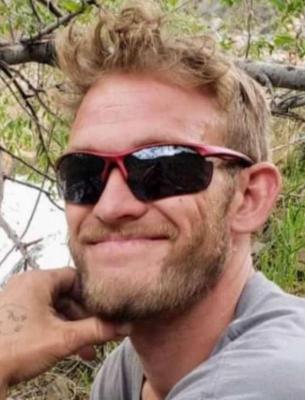
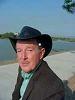
Alexander “Alex” Nichols Rainer, a 37-year-old male, was shot and killed on April 9, 2026, in Denver, Colorado, in what police and witnesses described as an apparent random act of violence. The shooting happened in broad daylight in the Five Points area, near Curtis Park, around the 1100 block of 32nd Street, close to 32nd and Arapahoe streets. Rainer was reportedly walking his dog when the violence unfolded, turning an ordinary afternoon in the neighborhood into a fatal encounter.

Before the shooting, witnesses said there appeared to be a disturbance involving a woman screaming for a man to get off of her. Multiple 911 calls followed, with callers reporting a man with a gun and then hearing gunfire. One witness reportedly described the gunman as having shot someone at random. Police later said the victim was taken to a hospital, where he was pronounced dead.

Rainer’s obituary described him as originally from Memphis, Tennessee, the son of Melissa “Missy” Nichols Rainer and James “Jim” Connell Rainer IV. He was raised in Memphis, attended Presbyterian Day School, graduated from Memphis University School in 2006, later attended the University of Colorado Boulder, and graduated from the University of Memphis. His life had long been tied to both Memphis and Colorado, with summers in the Blue Ridge Mountains and winters in Colorado’s Rocky Mountains helping shape his love of adventure.

As an adult, Rainer built a career that began in sales at Aerobic Cruisers and Fleet Feet in Memphis before he returned to Denver. He later worked at Signpost, where he met his future wife, Grace, and went on to lead teams in Denver and Austin. His career continued at monday.com, and he had just started a new role with HubSpot in April 2026, the same month he was killed. Those close to him remembered him as magnetic, energetic, competitive, and deeply present with the people around him.

Rainer left behind his wife, Grace Elizabeth Rainer, their young daughter, Harriet “Hattie” Lawrence Rainer, and their infant son, Grady Nichols Rainer. A fundraiser organized in support of Grace and the children described his death as the result of an “unimaginable and random act of violence” and said the family was preparing for a move to the East Coast to be closer to loved ones. The fundraiser also mentioned the family’s dog, Moose, underscoring the ordinary family life that was abruptly shattered.

Police arrested 22-year-old Kaylen Stroter later the same day in connection with the shooting. He was arrested on suspicion of first-degree murder, and subsequent reporting said he faced a first-degree murder charge tied to Rainer’s death. A booking record identified him as Kaylen Jay Stroter and listed the charge as first-degree murder. Public reporting did not indicate that there were additional suspects.

Details from the probable cause account described officers responding first to reports of an assault, followed by calls about a man with a gun and a shooting. Police used camera footage from the area near Curtis Park, where a man later identified as Stroter was seen near basketball courts. The investigation suggested Rainer was not targeted because of a known dispute, but instead was attacked during a chaotic sequence that began with the alleged assault of someone else.

Reports also stated that Stroter was on probation in connection with a prior Logan County robbery case and was free on bond while facing charges in a separate Denver case at the time of the killing. Court records cited in reporting indicated that hearings to revoke his probation had been repeatedly postponed, including one continued on March 9, 2026, exactly one month before Rainer was shot.

As of the available online reports, Stroter had been arrested and charged, but no trial outcome, plea, conviction, or sentencing had been reported. The case remained an active homicide prosecution, with the known public record centered on the arrest, the first-degree murder charge, the apparent randomness of the shooting, and the grief of a family and community left behind after Rainer’s death.