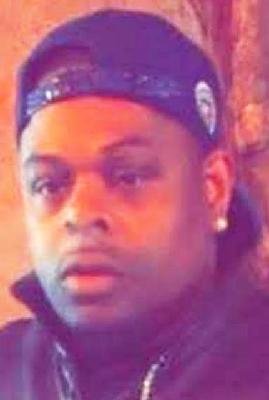
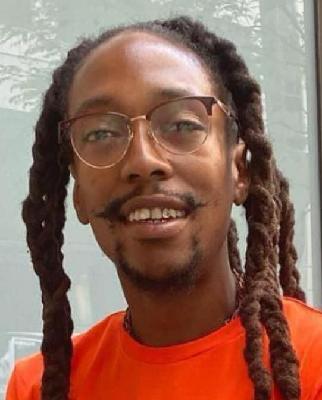
On the night of March 30, 2026, Marchillo Freeman, a 44-year-old man, was drawn into a violent confrontation inside a home in the 2800 block of West Washington Boulevard in Chicago’s East Garfield Park neighborhood. According to police accounts carried by local news outlets, the deadly chain of events began around 9:42 p.m., when Freeman and a 31-year-old man got into an argument that turned physical inside the residence.
Investigators said Freeman produced a sharp object and attacked the younger man, and in the chaos that followed, the other man pulled a gun and opened fire. Freeman was rushed to a hospital, but he did not survive. The Cook County Medical Examiner identified him after the shooting, turning a late-night disturbance inside a home into one of the city’s most haunting killings of that evening.
What made the scene even more tragic was that the violence did not stop with Freeman. Police said a 38-year-old woman stepped in, apparently trying to break up or calm the fight, and she too was shot. She later died at Mount Sinai Hospital. In the first public accounts, authorities described the case not as a street ambush or a random attack, but as a sudden, intimate eruption of violence inside a house, where an argument became a struggle, the struggle escalated to a weapon, and then everything collapsed in seconds. The public reporting paints a grim picture of a domestic, close-quarters encounter that left two people dead before the night was over.
As for the question of suspects and arrests, police said at the time that the 31-year-old shooter, described as a valid FOID card holder, was taken into custody immediately after the shooting. Early reports stated that charges were pending while Area Three detectives investigated. Publicly available coverage located online confirms that there was a person in custody in connection with Freeman’s death, but in the reporting I found, no later publicly available update identified that person by name or confirmed that murder charges were ultimately filed. In other words, the online record presently shows an arrest and a detained suspected shooter, but not a publicly confirmed charging decision, trial, or conviction tied to Freeman’s killing.
That leaves Freeman’s death suspended in the uneasy space where facts are known but final legal answers are not. The broad outline is clear: an argument, a knife, a gun, two dead, and one man taken into custody at the scene. But beyond that first burst of information, the online trail grows thin. No detailed public account I found explains what brought the people in that home to that breaking point, whether prosecutors later treated the shooting as murder, self-defense, or something more complicated, or whether the woman who tried to intervene changed the course of the investigation. What remains in the public record is the stark beginning of the story and the certainty of its ending for Freeman, whose life was cut short in a confrontation that spiraled with terrifying speed.