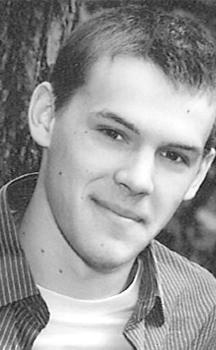
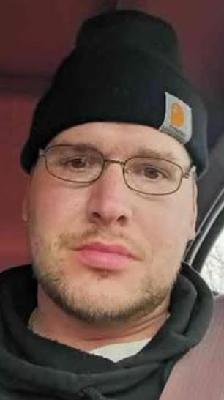
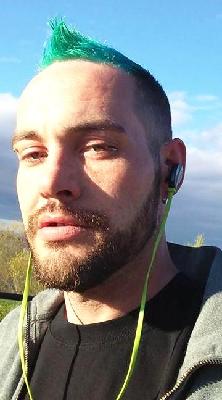
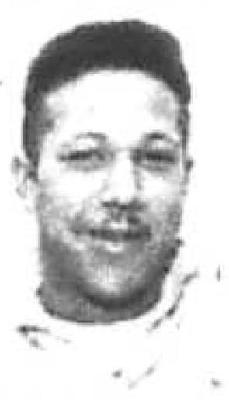
On the afternoon of February 10, 2026, a burst of gunfire shattered the quiet of a Duluth, Minnesota intersection. When the echo of the shots faded, 33-year-old Darius Handy was found inside his truck, which had come to rest against a concrete barrier on Piedmont Avenue. He had been shot and killed by a suspect who fired from another vehicle. First responders attempted to render aid, but Handy died at the scene.
The shooter fled, leaving investigators with the task of piecing together the events that led to the fatal encounter.
The investigation into Handy's death took a dramatic turn just five hours later. A St. Louis County sheriff's deputy, unaware of any connection to the earlier homicide, attempted to pull over a man for reckless driving on Grand Avenue. The driver, later identified as 30-year-old Donald P. Felver III, refused to stop, leading deputies on a chase through West Duluth. The pursuit ended when a deputy performed a PIT maneuver, causing Felver's SUV to spin out near a car wash.
As deputies approached the disabled vehicle and issued commands, gunfire erupted from inside Felver's SUV. The deputies returned fire, and in the exchange, Felver was fatally shot. He was the sole occupant of the vehicle. Investigators later recovered a handgun from the driver's seat. The deputies involved, identified as Sgt. Joshua Berndt and Deputy Matthew Sobczak, were uninjured and placed on administrative leave, standard procedure in an officer-involved shooting.
In the days that followed, the connection between the two fatal shootings became clear. The Minnesota Bureau of Criminal Apprehension confirmed that shell casings found at the scene of Darius Handy's murder and those from the shootout with deputies were a "high confidence" ballistic match, indicating they were fired from the same weapon. Authorities revealed that Handy and Felver knew each other and had been involved in some of the same court cases over the years. Investigators learned the two men had been in a verbal argument shortly before Handy was killed. With the primary suspect deceased, the investigation into Handy's death concluded, leaving a community to grapple with the two violent and connected deaths that occurred on the same winter day.