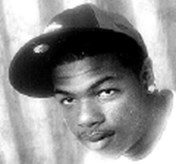
Mark Anderson, 28, a Black man from Buffalo, New York, died after a burst of gun violence that was already scarring the city that spring. On May 7, 2012, he was shot multiple times in the head and upper body near the intersection of Jefferson Avenue and East North Street, another life taken in a stretch of weeks when homicides piled up faster than answers.
In the days that followed, the killing sat alongside other shootings that had residents rattled and investigators scrambling, with police saying they did not believe most of the attacks were random. The atmosphere described by officials was one where disputes were being settled outside the law, and where fear and retaliation hung over neighborhoods like a warning.
As detectives tried to piece together what happened at Jefferson and East North, a familiar obstacle hardened the case: witnesses and community members often wouldn’t talk. Police and local anti-violence advocates pointed to a pattern of silence—whether from distrust, intimidation, or the belief that consequences would follow anyone who cooperated—leaving investigators to work with fragments instead of full statements.
By May 24, 2012—more than two weeks after Anderson was shot—authorities had not announced an arrest in his case, and police said none of the city’s most recent homicides had yet resulted in an arrest. The police commissioner at the time said the department was taking aggressive action and hoped arrests were coming, while urging anyone with information to use Buffalo’s anonymous tip resources to share what they knew without putting their name on it.
Years later, Anderson’s name has continued to surface in public listings of unsolved Buffalo homicide cases, a sign that the file has not reached the kind of closure that comes with charges, a trial, or a conviction. In the absence of a named suspect in the sources that discuss his death, what remains is the stark outline of that May day—an intersection, gunfire, and a family left to live with the unanswered parts.