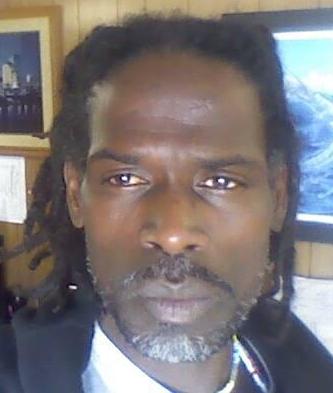
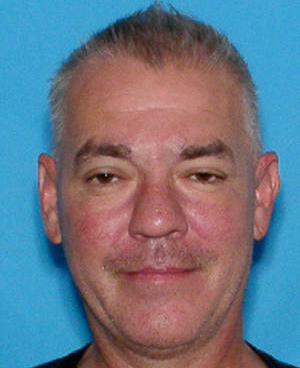
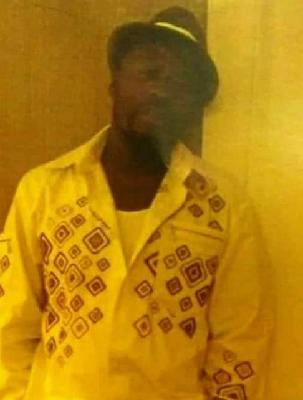
Dedrick Lamar Sykes, a 41-year-old Black man from Tampa, Florida, was driving through Ybor City on the evening of November 14, 2025, when an ordinary moment of traffic frustration turned into the final chapter of his life. Just after 7 p.m., cars queued near the intersection of East 5th Avenue and North 22nd Street, where an SUV at a stop sign blocked the way forward. Behind it sat Sykes in his red Jeep Grand Cherokee, and behind them, a black BMW sedan driven by 31-year-old Joel Moreno Cobo.
According to investigators, the BMW's driver flashed his headlights, trying to urge the SUV to move; as the vehicles shuffled ahead and turned, a brief exchange of words between the two men followed. Moments later, Sykes's Jeep came to an abrupt stop, he stepped out of his vehicle, and within seconds gunfire echoed down the street. Officers arrived to find him lying on the pavement between the two vehicles, gravely wounded, and though first aid and a rushed trip to a nearby hospital followed, he did not survive.
To those who knew him, the man now lifeless on the asphalt was far more than a name in a police report. Friends, family, and clients knew him as “DJ ShyGuy,” a popular Tampa Bay DJ whose sets lit up venues like Ybor's 7th and Grove and countless weddings and celebrations across the region. Long before he was a fixture in the nightlife scene, he had deep roots in central Florida; his obituary describes a childhood that began in Bartow and unfolded across Plant City and Lakeland, where he attended local schools and graduated from Lakeland High School. Those who have written memorials for him online recall a warm, easygoing presence who poured energy into making other people's milestones unforgettable, the kind of DJ who not only kept a dance floor packed but made strangers feel like family.
In the immediate aftermath of the shooting, the man who fired the gun did not flee. Police say he stayed at the scene, handed over the firearm that had been holstered at his waistband, and told officers he had acted in self-defense. For several days, Tampa's official statements emphasized that the shooter was cooperating and showed no signs of impairment, and that detectives were meticulously gathering physical evidence and witness testimony while consulting with the State Attorney's Office on how to proceed. As more witnesses were interviewed and the sequence of events came into sharper focus, investigators concluded that Sykes had been unarmed and had not made threats or gestures suggesting that he possessed a weapon in the moments before he was shot. Those findings, police later said, undercut the narrative of self-defense that had initially overshadowed the case.
Six days after the shooting, on November 20, 2025, the tone of official updates shifted dramatically. Tampa police announced that they had obtained a warrant and arrested Joel Moreno Cobo, charging him with second-degree murder in Sykes's death. Detectives laid out a timeline in which a minor traffic blockage escalated from impatient headlight flashes to a brief roadside argument and then, in a matter of heartbeats, to fatal violence against an unarmed man. They described Sykes collapsing to the ground almost immediately after stepping from his Jeep, and emphasized that the decision to pursue murder charges was grounded in carefully assembled evidence rather than the initial on-scene claim of self-defense.
While investigators moved from reconstruction of the shooting to filing charges, the community around Sykes struggled with grief and anger. Local news outlets captured scenes of friends, fellow DJs, and community activists gathering in Ybor and elsewhere, demanding transparency about the investigation and questioning why a routine roadway dispute had ended with a beloved entertainer dead in the street. In tributes shared online and at vigils, people spoke of the quiet way he carried himself behind the turntables and the joy he created for others, insisting that his life could not be reduced to a fleeting confrontation at a stop sign. For them, the arrest brought a measure of vindication but not closure; it marked the beginning of a longer search for justice and understanding in the wake of a loss that had left a permanent silence where Sykes's music used to play.