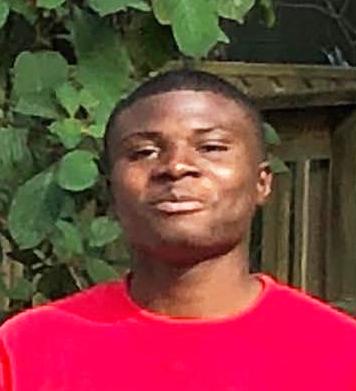
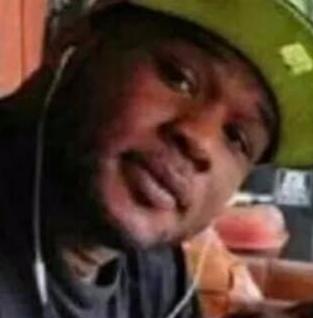
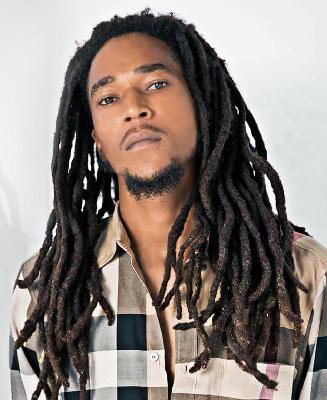
On a Saturday afternoon in early November, a quiet stretch of 14th Street near Mangoustine Avenue in southwest Sanford, Florida, was shattered by gunfire that claimed the life of 22-year-old La-Don Ja Quen Williams, a Black man. What had begun as an ordinary day in the neighborhood quickly turned chaotic as the sound of multiple shots rang out, turning a familiar block into a crime scene marked by fear and confusion.
Police were called just after 3:30 p.m.
for reports of shots fired in the area. When officers arrived, they found Williams suffering from gunshot wounds in the street. He was rushed to a nearby hospital in Sanford, but despite the efforts of medical staff, he was pronounced dead shortly after arriving. News outlets and a gun violence memorial later confirmed that Williams’ death was the result of gunfire on November 1, 2025, in Sanford, underscoring how abruptly his life had ended.
Within the same unfolding incident, a second person connected to the shooting arrived at a local hospital with injuries that police described as minor; that individual was expected to recover. Back at 14th Street and Mangoustine Avenue, the scene was transformed into a tightly controlled investigation zone. Reporters observed more than a dozen yellow evidence markers scattered along the roadway as detectives canvassed the area, searching for witnesses and any piece of physical evidence that might explain how the confrontation erupted into deadly violence. Neighbors told journalists they had heard what sounded like several gunshots, some initially mistaking the sounds for fireworks before realizing something far more serious had taken place just steps from their homes.
The Sanford Police Department quickly classified the case as a homicide and issued public appeals for help. Through local news outlets, radio reports, and community posts, investigators urged anyone who had seen or heard anything—even details that might seem insignificant—to come forward. They directed potential witnesses to contact the Sanford Police Department or reach out to Central Florida Crimeline, emphasizing that tips could be submitted anonymously. To encourage cooperation, authorities announced that a cash reward of up to $5,000 was available for information that could help solve the case and bring some measure of accountability for what had happened on that quiet block.
As days passed, the outline of the tragedy became clearer, but the questions at its heart remained unanswered. Reports noted that Williams was already known to Sanford police from prior interactions, yet investigators did not share any theory about why he had been targeted or what might have led to the burst of gunfire that afternoon. Journalists covering the case reported that his killer had not been identified and remained at large, and that police had not released any information about possible suspects, motives, or the circumstances that preceded the shooting. The investigation was repeatedly described as active and ongoing, with no public indication of arrests or named suspects. For Williams’ family, friends, and the wider Sanford community, his death stands as an unresolved wound: a young life cut short in broad daylight, with the hope for answers resting on whether someone steps forward with the piece of information investigators need to finally explain—and solve—what happened at 14th and Mangoustine.