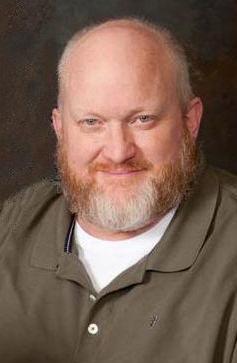
Eric Roland, a 37-year-old man connected to the communities of Searcy and Hazen, Arkansas, was shot and killed in the early hours of Sunday, November 2, 2025, while in Carlisle, a small Lonoke County town that would wake to sirens and blue lights instead of its usual quiet streets. News accounts describe officers from the Carlisle Police Department racing to the 400 block of North Greenlaw Avenue after reports of gunfire, where they found Roland already dead from apparent gunshot wounds, his
body lying at the center of a scene that would quickly draw state investigators and grieving neighbors alike.
In the hours that followed, the outline of what happened began to emerge from witness statements and the initial police reports. Neighbors told responding officers they had heard multiple shots during the overnight hours between Saturday night and Sunday morning, and by the time emergency responders arrived, there was nothing they could do to save Roland. An online fundraiser later organized on behalf of his children described the moment more intimately, saying that their father died around midnight after being shot four times, a blunt and heartbreaking detail that underscored the violence of the attack and the suddenness with which his life ended.
From early on, investigators had a name. Witnesses at the scene identified 40-year-old Carlisle resident Cyle Ramone Cooney as the suspected shooter and reported that he had fled in a white Dodge Ram pickup truck moments after the gunfire. Law enforcement across Lonoke County quickly began searching for the truck, and within a few hours deputies with the Lonoke County Sheriff’s Office located Cooney and took him into custody without incident. Various reports place the arrest at around 8:30 that morning, ending the manhunt but only beginning the formal legal process that would follow.
Once in custody, Cooney was booked into the Lonoke County Detention Center on a slate of serious felony charges: first-degree murder, unlawful discharge of a firearm from a vehicle, and possession of a firearm by certain persons, reflecting both the allegation that he fired from or around a vehicle and a prior history that, under Arkansas law, barred him from possessing a gun at all. Reports indicate that his bond was set at $150,000 and that he is scheduled to appear in court in January 2026, even as investigators continue to piece together the chain of events and whatever relationship, if any, existed between Cooney and Roland before the shooting. Roland’s body was sent to the Arkansas State Crime Laboratory so that medical examiners could formally determine the cause and manner of death, while the Arkansas State Police Criminal Investigation Division, working at the request of Carlisle police, took the lead on reconstructing the shooting through physical evidence, ballistics, and interviews with those who saw or heard what happened. Authorities have not publicly released a motive, and the case is described in multiple accounts as an active, ongoing homicide investigation.
Behind those official statements lies the quieter story of a family and two young children whose lives were abruptly changed. The fundraiser created in Roland’s memory speaks of a five-year-old and a seven-year-old trying to make sense of their father’s absence, with one child facing a birthday on Christmas Day in the shadow of grief. An obituary for Eric Dewayne Roland Sr. notes that his life was marked by warmth and kindness and that friends and relatives gathered at Prairie Chapel Missionary Baptist Church in Hazen for visitation and a later funeral service, leaning on one another and on their faith as they said goodbye. Local write-ups describe the town of Carlisle as “disturbed” and “in shock,” a small community grappling with the reality that gunfire on a quiet street has left a permanent absence, not only in one family but in the rhythms of daily life. As investigators continue their work and court dates approach for the man accused of killing him, Roland is remembered in those accounts not as a statistic, but as a father and friend whose death has cast a long shadow over the towns where he lived, worshipped, and was finally laid to rest.