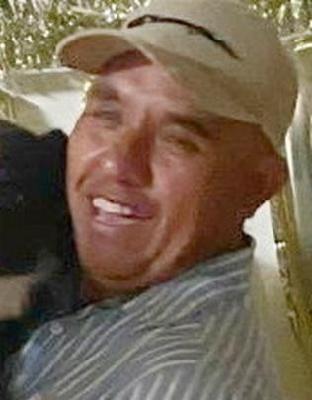
Jacob Gomez, a 15-year-old Hispanic / Latino male, was spending a Monday afternoon far from home when violence found him at an apartment complex off Bammel North Houston Road in northwest Houston on November 3, 2025. What began as an ordinary day in a busy neighborhood near Highway 249 ended with deputies and medics fighting to save his life, administering CPR beside a dark-colored car in the parking lot.
Despite their efforts, Jacob was pronounced dead at the scene, one more young life cut short by gunfire in a city already burdened by loss.
In the days that followed, those who loved him tried to talk more about how he lived than how he died. Friends and family described a boy whose presence made rooms feel brighter, someone loyal, respectful, and full of promise, with a smile people say could lift even the heaviest day. They gathered around his family, both in person and online, offering food, comfort, and donations to help with funeral and legal costs, trying in small ways to steady a household shaken by unimaginable grief. Messages poured in about how deeply he was loved and how impossible it was to imagine a future without him, even as his family worked through the heartbreaking logistics of services they never expected to plan.
The shooting itself unfolded quickly. That afternoon, around the middle of the day, deputies with the Harris County Sheriff’s Office were dispatched to the complex at 10155 Bammel N. Houston after reports of gunfire. When they arrived, they found Jacob unresponsive from a gunshot wound in the parking area. Medics tried to revive him there, but there was nothing more they could do. Investigators later confirmed that Jacob did not live at the complex; he had come there briefly and never made it home.
As deputies canvassed the scene, witnesses pointed them toward a nearby apartment where another teenager was hiding. Inside, they found a boy around Jacob’s age, whom they detained without further incident. Detectives say that surveillance footage and statements from residents helped them piece together what happened: the two teens had met up for some kind of transaction that authorities now suspect may have been drug-related, and in moments, that interaction turned deadly. The arrested youth was taken to the Harris County Juvenile Detention Facility and has been charged with capital murder. At this time, investigators have said they are not searching for additional suspects, though they continue to gather evidence and reconstruct the final minutes before the shooting.
In the wider community, Jacob’s death has become another painful reminder of how quickly a young life can be lost and another forever altered. Online memorial pages and gun-violence remembrance sites now bear his name, each candle lit or message left becoming a small act of resistance against forgetting. Neighbors and local leaders have voiced renewed fears about how easily teenagers can get guns and how everyday disputes or risky choices can spiral into permanent tragedy. For Jacob’s family, the investigation and court process will move forward in its own slow rhythm, but their world has already been divided into a before and after. In that after, they hold onto his memory—the laughter, the warmth, the dreams he talked about—and try to carry the light he once brought into their lives through a future he never got to see.