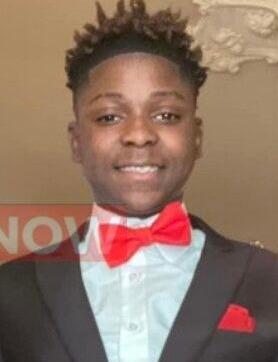
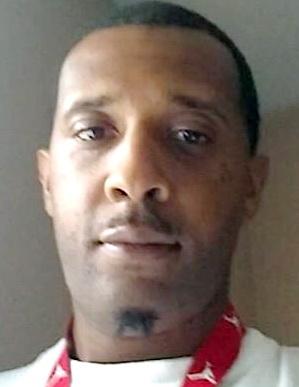
Roshad Collier, a 29-year-old man from Brandon, Mississippi, was spending a warm Saturday evening at a neighborhood block party on Mary Myles Drive when the celebration abruptly fractured into panic and gunfire. The gathering had drawn dozens of people into the 200 block of the street, with music, conversation, and families enjoying the early summer night, when shots rang out and sent people scrambling for cover.
When Brandon police officers arrived in response to calls about gunfire, they found the remnants of a large crowd still in the roadway and yards, the easy flow of the party replaced by confusion and fear as word spread that two men had been hit.
According to police and local news reports, two adult males had been struck by bullets during the chaos and were not waiting for an ambulance; instead, friends or bystanders rushed them by private vehicles to Merit Health Rankin for emergency treatment. Investigators moved quickly to secure the scene, stringing up crime-scene tape along Mary Myles Drive, marking shell casings, and beginning the painstaking process of interviewing witnesses who had seen only flashes of movement and heard the sharp crack of shots over the noise of the crowd. In the first hours after the shooting, officers could say only that the men's conditions were unknown and that the case was being treated as a serious, active investigation.
Within two days, the Brandon Police Department confirmed what many in the neighborhood had begun to fear: Collier had died from the wounds he suffered that night. The Rankin County Coroner's Office notified investigators that he had succumbed to his injuries at Merit Health Rankin, turning the case into a homicide. A second man, whose name was initially withheld, remained hospitalized but was reported to be recovering. News reports and a national gun-violence memorial page later tied together the picture of who Collier had been before the shots on Mary Myles Drive—friends and family remembered him online as a funny, laid-back young father, someone who had worked in retail and stayed connected to his old high school, with candles lit in his name as they tried to reckon with the abruptness of his loss.
For several weeks after the shooting, police publicly emphasized that no arrests had yet been made and that detectives were still sorting through witness statements and physical evidence to understand what had sparked the violence at the block party. They repeatedly asked anyone who had been in the crowd or had video or other information to contact investigators, stressing that the crime had unfolded in front of a large number of people and that even small details might matter. In local commentary and neighborhood conversations, residents expressed a mix of shock and weary resignation that yet another act of gun violence had erupted on Mary Myles Drive, a street already familiar to police from earlier incidents.
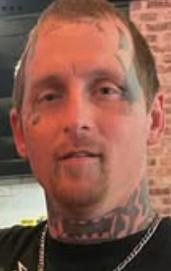
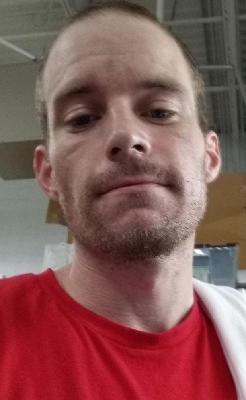
A breakthrough became public in mid-July, when Brandon police announced the arrest of 31-year-old Ryan Mosley, a Brandon resident, in connection with the killing. Mosley was not a stranger to the case; he was identified as the second man who had been shot during the same block party and treated at the hospital alongside Collier. After receiving medical care, Mosley was released from the hospital and taken into custody, accused by investigators of being the gunman responsible for Collier's death. He was charged with first-degree murder and with being a felon in possession of a firearm, offenses that reflect authorities' belief that he both fired the fatal shots and was legally barred from having a gun at all.
Police said Mosley was arrested without incident and booked into the Rankin County Jail, where his bond was set at one million dollars pending a hearing in Brandon Municipal Court. The city's police chief publicly praised detectives for their persistence, framing the arrest as evidence of the department's determination to pursue justice for Collier and to reassure residents shaken by a killing that had torn through what was meant to be a neighborhood celebration. Even with a suspect in custody, officials emphasized that the investigation remained open, encouraging anyone with additional information about what led up to the gunfire on Mary Myles Drive to step forward, while court records and news coverage indicated that Mosley's case was still moving through the legal system with no trial or conviction yet reported.